

The Fast-Growing Tree That Butterflies And Hummingbirds Can't Resist
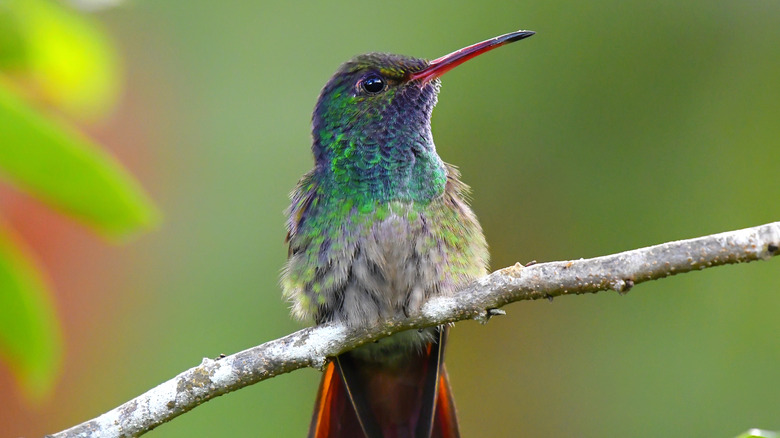
The southern live oak (Quercus virginiana) is a staple native species to the American Southeast. This massive, sprawling tree — which can reach up to a whopping 150 feet in diameter — does best in USDA zones 8 through 10 and grows rapidly when young. However, the southern live oak can do more than catch eyes in your backyard. It can also help encourage the butterflies and hummingbirds that you love watching to visit your yard.
With their large size and almost year-round greenery, southern live oaks are an essential part of the ecosystems they grow in. They offer both shelter and food to other nearby animals, whether that's the various butterfly species that rely on this fast-growing tree or the hummingbirds that take delight in their subtle flowers. Plus, you can pair these trees with saucer-shaped feeders hung from the branches for a combination that hummingbirds will love.
If you live in the right area for southern live oaks and have the space to support their jaw-dropping growth, this tree can make a wonderful addition to your yard. In fact, they're commonly used as an ornamental because of the animals they attract and the shade these trees provide. Here's how you can get started with adding live oaks to your yard.
How to grow southern live oaks
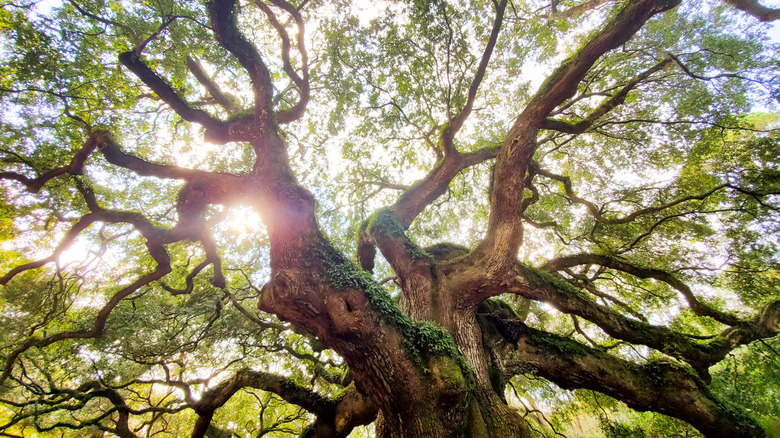
One of the first things to know about southern live oaks is that they can't survive frequent frozen temperatures. These trees are hardy, with a tolerance for shade and even the ability to thrive in sandy soil thanks to their coastal range, but freezing weather is a no-go for the southern live oak. As a result, you'll notice that they struggle to grow outside of their typical range, although you may find the occasional straggler growing further north.
Outside of temperature, though, southern live oaks are strong and sturdy, able to survive harsh winds and even hurricane-level weather because of their adaptations. Although they can survive in shade, they do need some sunlight each day, growing their best either in partial shade or full sun. These live oaks need soil that is well-draining, but you don't want to let them get too dry. Instead, opt for soil that won't get soggy or oversaturated while remaining moist enough for your southern live oak to thrive.
If you've mastered your green thumb, you can start growing your southern live oak from an acorn. However, this can take extra patience and preparation, so you may choose to start it instead from a sapling, which you can purchase from many retailers and nurseries. One of the most important things to take into account if you're adding this tree to your yard is the space available. Live oaks sport extensive root networks and branch crowns, and you'll want to make sure your outdoor space can accommodate these fast-growing giants. You should also be wary of any pavements, sidewalks, or pipes that roots may disrupt or even damage.