

Planting Garlic Next To These Plants Won't Do Your Garden Any Favors
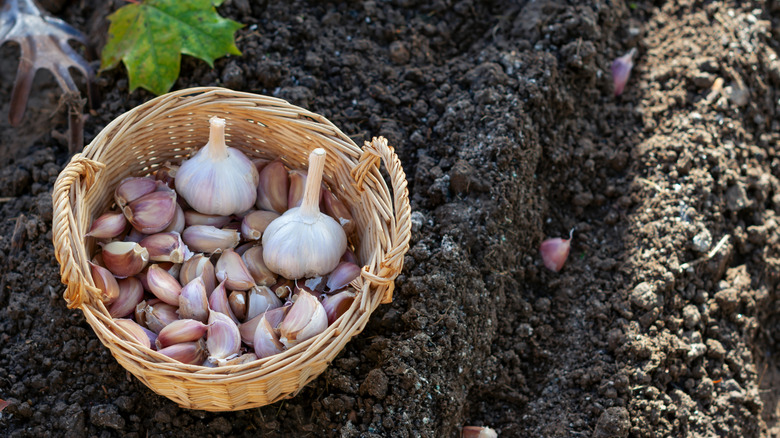
Garlic is one of the best things you can plant. Not only does it have tremendous value as an ingredient in the kitchen, but as a plant, it has properties that can serve to benefit any garden. Garlic repels numerous kinds of pests, and is an excellent companion plant for various flowers, fruits, and vegetables. It's relatively easy to grow, and can thrive in a number of different climates and weather conditions. However, it is far from the perfect option when it comes to some of its garden neighbors.
Indeed, there are a fair number of plants to which garlic can actually do some damage. From stunting or preventing growth, inviting unwanted pests, and actually altering flavors, garlic can be downright detrimental when improperly planted in the garden too closely to certain herbs, fruits, and vegetables. This isn't a one-way street, though: While garlic doesn't do these upcoming plants any favors, they tend not to cooperate very well with garlic either.
So, if you are planning on getting a garlic patch started, here is a list of plants that you shouldn't be growing anywhere near your bulbs. From herbs and fruit to seasonal vegetables, these are 11 garden plants you should never match up with garlic.
Asparagus
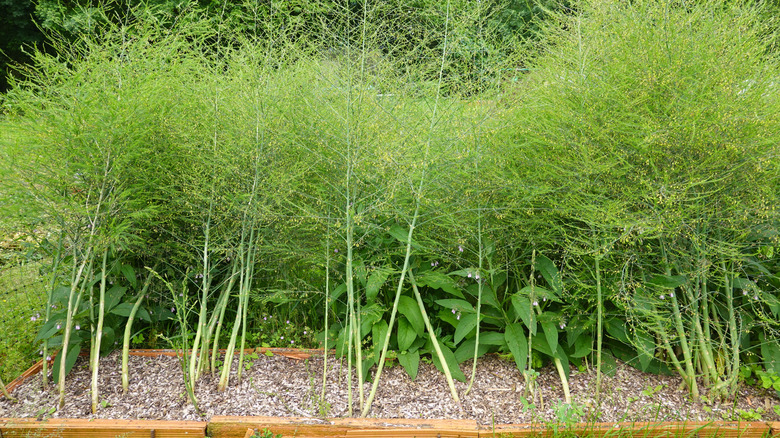
The roots of the asparagus plant can extend 15 feet into the earth and reach a diameter of up to 6 feet. This is a massive infrastructure, one that requires a lot of sun and quality soil in order to grow properly. Great companion plants for asparagus include shallow-rooted fruits like strawberries, tomatoes, basil, or flowers like marigolds. Bad companion plants for asparagus are things like potatoes, and, as it turns out, garlic.
In general, it is not recommended to plant asparagus alongside members of the allium family. And since garlic is a member of said family, it will compete for soil nutrients, affecting the roots of your asparagus. The chemical compounds in garlic are also incredibly strong, which can actually prevent asparagus from growing proper stalks. And seeing as asparagus takes several years to root and grow before you get a crop, you don't want to be planting something that could inhibit or prevent the growth process.
Plus, there is the fact that asparagus is a perennial, meaning it will return year after year without needing to be replanted. Garlic, meanwhile, is an annual that's replanted each year. As such, you'll be actively disturbing the asparagus roots every year to replant garlic, which can cause a decent amount of damage. Overall, it is best to just keep these two out of each others way.
Other alliums
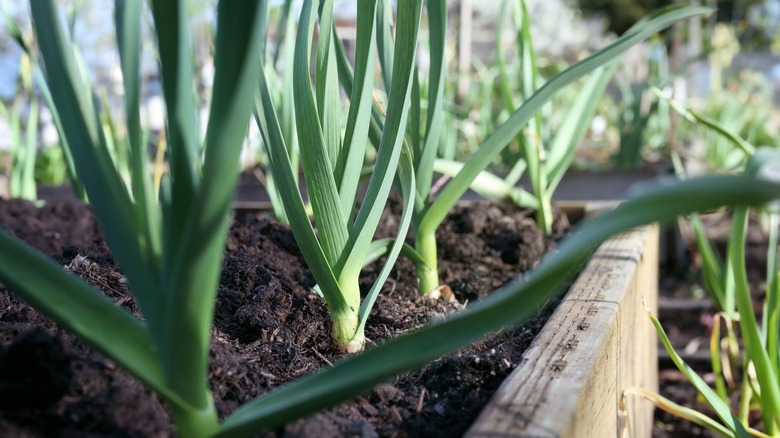
Garlic is part of the allium family of plants, which also includes onions, leeks, chives, ramps, and walking onions. It could be easy to assume that, being part of the same family, garlic and other alliums would work when planted together. Unfortunately, this is not a happy family situation. Consider garlic the wild child of the alliums. It wants to be out on its own, and can wreak a good amount of havoc when living too close to its relatives.
When garlic is planted around other alliums, it can actually create an environment that is more welcoming to the types of diseases and pests that cause an allium crop failure. This is because all alliums like the same types of soil. When they compete for nutrients, all of the plants become weaker as a result. This sends a signal to pests and diseases like white rot, basal rot, and onion flies to move in, because the plants won't be strong enough to battle them.
Instead, other alliums belong among the wild flowers, or near anything grown more for ornamental purposes. Remember, all alliums are very strongly flavored, which means they can potentially affect the flavor of other nearby edibles. However, they do have some excellent uses. Ornamental alliums can also help keep voles away, which is a plus for any garden.
Beans and Peas
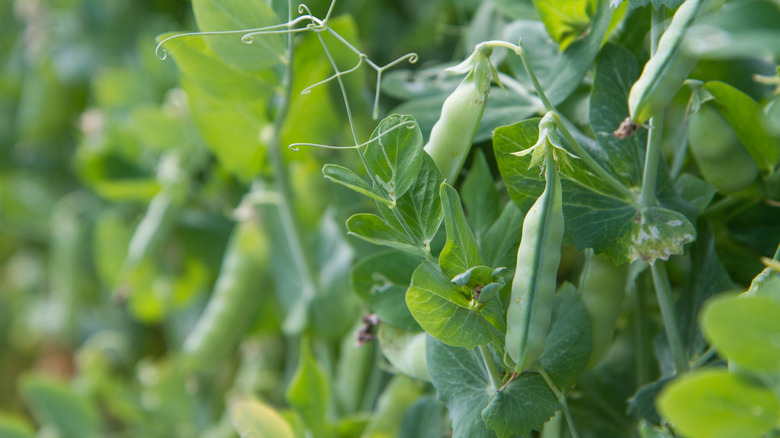
Part of the plant family known as legumes, beans and peas can grow well in relatively poor soil provided it is well-drained and they get plenty of sun throughout the day. They are also excellent nitrogen fixing plants. This means they add beneficial nitrogen to the soil, which surrounding vegetation can feed off of. This can be hugely beneficial for a number of different plants, especially in a fruit orchard. However, when it comes to a bulb like garlic, having too much nitrogen in the soil could actually cause a problem.
Beans and peas can potentially cause an excess of nitrogen in the soil. If other nitrogen-hungry plants are not planted around the beans and garlic, all of that additional nutrient will be absorbed by the garlic. If garlic is exposed to too much nitrogen, the bulbs won't grow properly because all of the energy will be going towards the growth of the stalk and leaves. Too much nitrogen can also leave garlic more prone to disease. Since legumes grow vertically, they can shade out the garlic, which can also affect growth.
Still, garlic gets back at beans. Because it's an allium (as mentioned), it already makes for a poor companion to beans and peas. Strong natural chemicals in the garlic cloves can potentially prevent the beans and peas from growing properly. The fact is, these two just don't match.
Fennel
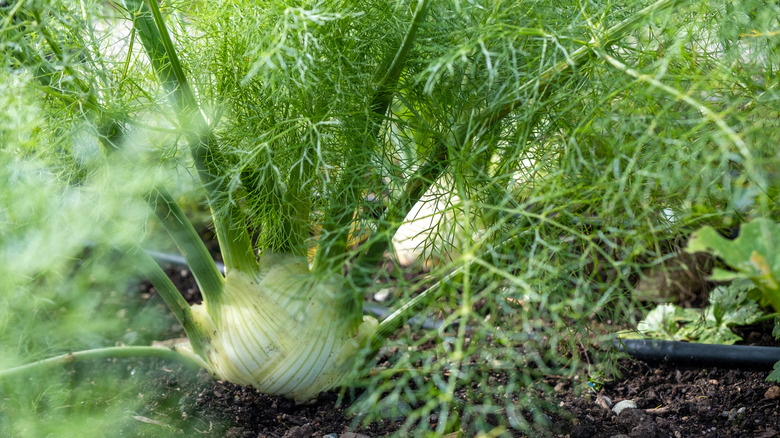
Fennel is a loner plant. Despite having a wonderfully sweet smell and a delicate, almost licorice flavor, fennel does not mesh well with a wide variety of other garden plants. This is because of a property known as allelopathy. The strong, natural chemical compounds found in fennel will spread to other plants nearby and affect their growth as a result. This is a characteristic it shares with garlic, which is why the two should not be planted anywhere near one another.
When a plant with allelopathic chemicals is planted too close to other plants, those chemicals leaching through the soil will inhibit or downright prevent growth of the surrounding vegetation. Since fennel and garlic are both so strong in this regard, planting them right next to each other will effectively cancel both out. This results in a no-growth situation, which is a disaster for any level of gardener.
So, in the case of garlic and fennel, plant them separately. Garlic needs space for its roots to grow deeply. Fennel has lighter rooting properties, meaning it will be competing with the garlic for nutrients (which can grab them first), on top of trying to harm it with its allelopathy. In fact, it's probably best to grow fennel in container pots or its own raised beds. While they can make great companions in the kitchen, keep them away from each other in the garden.
Watermelon
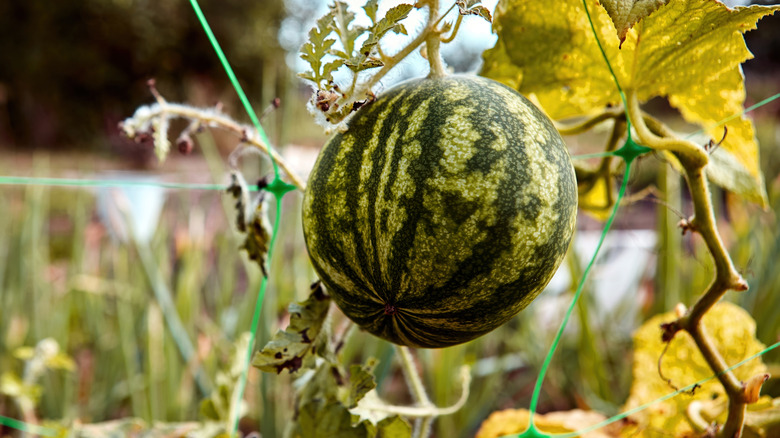
Watermelon, or indeed any type of melon, can benefit from the presence of garlic, provided it is planted a good distance away. Garlic has many natural properties that help repel pests like aphids and ants. The kitchen staple also repels Japanese beetles, caterpillars, spider mites, and is a rabbit-repelling plant. All of these pests could wreak havoc on a watermelon patch if you are not careful. However, garlic only works to help in this regard if it is planted between rows or as a border for your melons.
When planted too close to melons, garlic will instantly start competing for nutrients in the soil. This means a variety of different issues for your watermelons, including stunted growth, wilted leaves, disease risk, or possibly no growth at all. Because of its strength, garlic can also potentially alter the sweet, delicate flavor of your watermelons, and who wants a garlic-flavored watermelon?
In order to establish garlic as a proper border, follow the common spacing for melon rows and plant garlic at least 6-feet away from the melons. Since melons grow on vines and naturally spread, this spacing — while seemingly large — is more than appropriate. Don't worry if the melon vines themselves creep close to the garlic border; so long as the roots have a healthy separation (and the fruit isn't super close), you're good to go.
Pumpkins
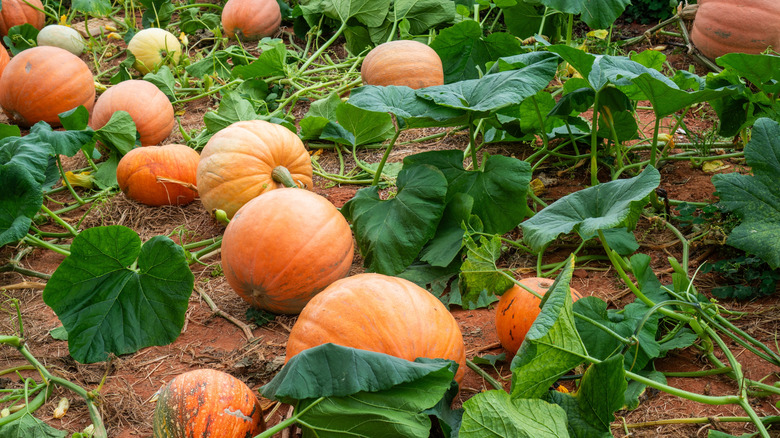
Those who are avid gardeners might be surprised to find pumpkins on this list. It is a long-standing practice to plant garlic around the pumpkin patch. The key word here, however, is around. Much like with the previously mentioned melons, garlic is perfect as a border plant for a pumpkin patch. It keeps several pests away from your pumpkins, allowing them to grow strong and healthy. However, you need to give that garlic border a wide birth from your gourds.
Planting garlic too close will (once again) create a competition for resources as well as put pumpkins at risk for fungal infection, both of which will stunt growth. In this case, however, the garlic might also have other adverse qualities. As a natural insect repellent, garlic might ward off the beneficial pollinators that help pumpkins achieve optimal growth. So, if you're hoping to take prize pumpkins to the country fair, reconsider planting garlic near them.
To establish a garlic border for your pumpkin patch, make sure the two plants are separated at the recommended spacing of at least 8-10 feet. This may seem broad, but it provides enough distance to allow both pumpkins and garlic to thrive.
Mint
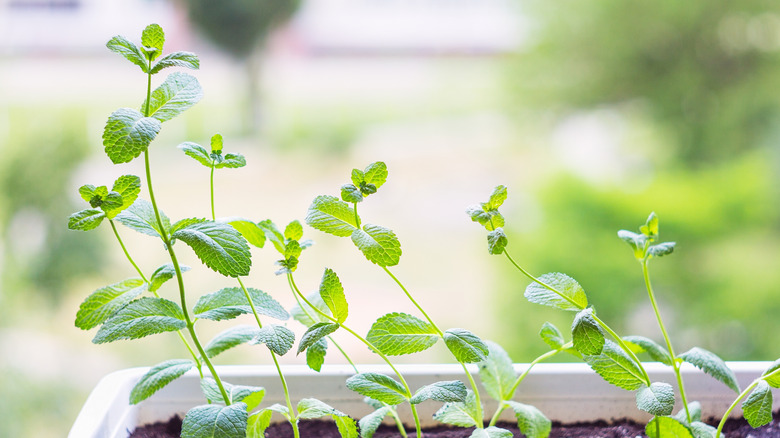
Garlic and mint should always be planted away from each other. Mint is a plant that really needs to be in its own bed or container, though it does work well when planted alongside things like rosemary or pollinator-friendly marigolds that work wonders in a garden. An herb that loves to spread out, mint can aggressively take over an area and choke out competing plants. Garlic, in particular, can both suffer underneath a mint canopy, as well as inhibit the mint's growth.
Because each of the plants have extensive root systems, they will compete with one another for growth. While the brightly-scented herb usually wins, garlic does its fair share to cut back mint's crazy growth. The competition for nutrients will also cause smaller growth in the garlic.
The best way to keep mint and garlic under control and strong is to plant them separately. Mint especially should be planted in its own container. That way it can be tamed as opposed to overtaking an area.
Parsley
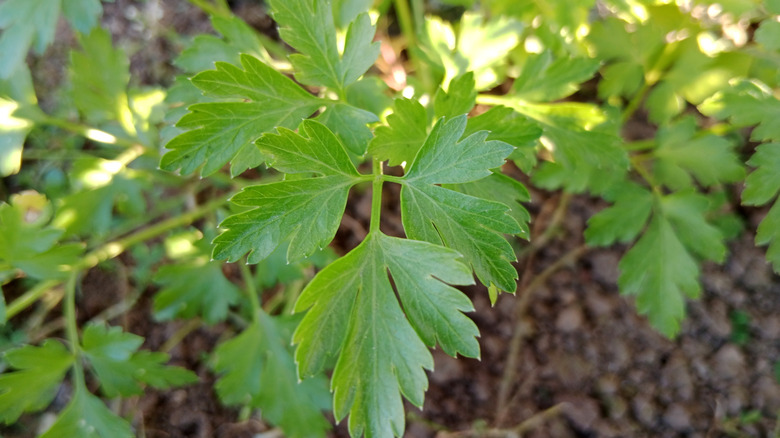
In the kitchen, when you mix parsley, garlic, olive oil, and salt together, you achieve a wonderfully spicy, aromatic herbal seasoning called persillade. It's excellent with steak, chicken, and plenty of other foods. So, like many other herbs, garlic and parsley are best friends in the kitchen. However, in the garden, they're bitter enemies.
There is plenty of vegetation, such as tomato plants, that you can plant alongside parsley, helping it become more tender and flavorful. Garlic is not one of them. The strength of the natural chemicals found in the garlic cloves will actually inhibit the growth of parsley. It will also potentially alter the flavor of the parsley, causing it to become overly bitter.
The nutrient requirements of both will cause competition, though the garlic will probably win out. Plus, since both have different harvesting requirements, garlic will be taking up the majority of the resources faster.
Grapes
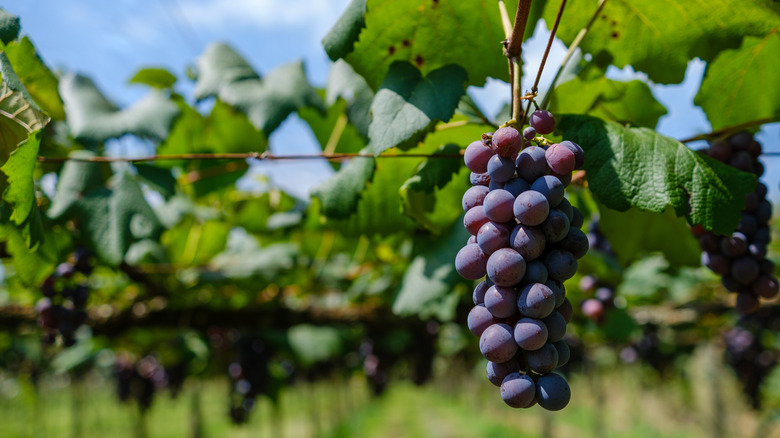
On paper, grapes and garlic seem like a companion planting match made in heaven. They share the same soil and weather preferences, mainly good loam and plenty of sun. Garlic also repels many of the pests that can devastate a grape crop, including fungi and bacteria. So why are we saying they shouldn't be planted together?
Planting grapes and garlic close together will actually cause an intense competition for resources. Since grapes and garlic appreciate the same soil types, it means they require the same types of nutrients to thrive. As such, the resource competition will stunt the growth of both plants, but can have particularly bad effects on the grape vines.
Garlic also has those allelopathic chemicals that inhibit the growth of grape vines altogether. However, those same chemicals, when extracted and heavily diluted into a garlic extract, can actually help break bud dormancy on grape vines. This is beneficial, as it helps the buds open up in the springtime, while also deterring pests. So, if you want to use garlic with grapes, do it this way (don't use a too-concentrated garlic extract though, as it can have a detrimental effect). Planting them together doesn't do either any favors.
Sage
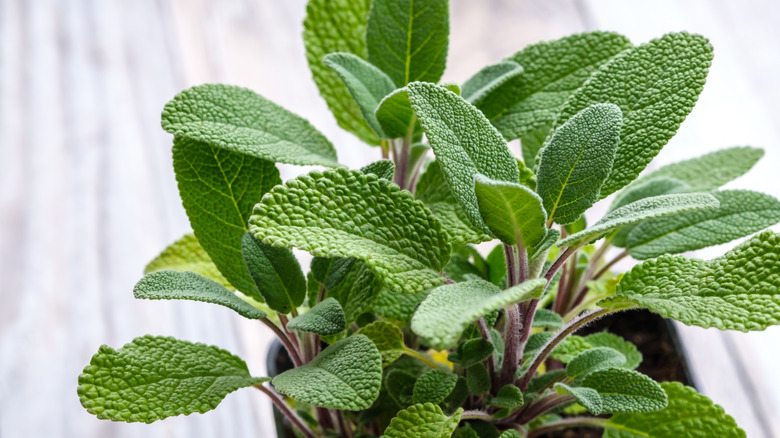
Sage and garlic are excellent companions when cooked together in the kitchen. What would a good pasta or roasted chicken be without a healthy dose of sage and garlic to add savory depth? They are truly bosom friends in the kitchen. Out in the garden, it is a different story.
When planted close together in the garden, sage and garlic will turn into fierce competitors. Since each has an extensive root system and needs similar nutrients in order to grow, they end up competing over who gets fed the most. When this happens, their growth becomes stunted, meaning you will get smaller sage and puny garlic cloves. Either way, if grown too close together, you won't be looking at a healthy harvest. You could even affect the amount of beneficial pollinators that come into your yard. Butterflies in particular are very fond of sage, but the strong garlic odor might scare them off.
Instead, we'd recommend planting sage in its own container instead of directly into the ground. That way it has its own space and can easily absorb all of the nutrients it needs. Garlic, meanwhile, can be planted in its own plot, or around one of several different companion plants, such as dill, beets or carrots.
Corn
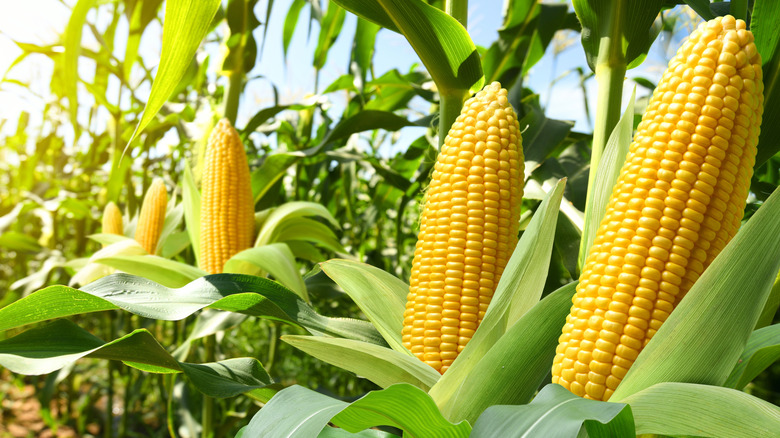
In many ways, corn and garlic are opposites. One grows skywards and produces exceptionally sweet cobs. The other roots underground to produce its pungent set of cloves. Despite these facts, they both require the same things: sunlight and soil nutrients. Corn will grow tall and leaf out, blocking a lot of sunlight from anything planted below. Some vegetables, like beans, compensate by winding their vines up the cornstalk like a natural trellis. While garlic does not require constant sunshine, it still needs it in order to grow and corn inhibits this. Meanwhile, garlic's strong root system will compete with corn for nutrients, potentially stunting the growth of both plants.
Then there is the allelopathy. It is entirely possible, as is the case with many of the other plants on this list, that garlic will negatively affect the flavor of the corn. However, everything boils down to timing. Garlic needs to be planted in late summer or fall in order to overwinter. Corn doesn't need to be planted until late spring, by which time the garlic will be established enough so as not to cause an issue. In which case, while not quite companion plants, the two will play well enough together.