

What To Know Before Planting Grass Seed During The Summer Months

Ah, summertime. The warm weather draws you outdoors, whether you're relaxing on the patio, tossing a ball to your dog, or enjoying dinner al fresco with the family. Naturally, with all that time outside, you start to really notice your yard. And if you hadn't already taken a close look at your lawn earlier in the season, any issues like patchiness and bare spots appearing in your grass are now front and center. Reseeding seems like the next logical step, right? Not so fast. When it comes to planting grass seed, timing is everything, and summer can be a tricky season to get it right.
Planting grass seed in summer isn't impossible, but it's not always ideal. Whether it works for your space depends on a few key factors, including where you live and choosing the type of grass seed for your lawn. Warm-season grasses, common in southern regions of the United States, actually thrive when planted in late spring through early summer. Cool-season grasses, more common in northern areas, prefer the mild temperatures of early fall or spring. That's why understanding your grass type and climate zone is essential before scattering any seed. Summer can either be a perfect time or a recipe for disappointment.
There are some grasses that love summer planting
Knowing which turf variety fits your local climate can mean the difference between a lush summer lawn and a seeding do-over. If you're up north and your lawn is home to grasses like Kentucky bluegrass, perennial ryegrass, or fescue, fall is your golden window for seeding (spring can work in a pinch). Why? These cool-season grasses aren't fans of heat. Once soil temperatures climb above 65 degrees Fahrenheit, they tend to check out for the summer, going dormant and slowing growth. If you're in the southern half of the country growing warm-season favorites like zoysiagrass, centipedegrass, St. Augustinegrass, bahiagrass, or bermudagrass, early summer is your moment. These sun-loving varieties thrive in high temps and need toasty soil — think 65 to 70 degrees F or warmer.
Seed timing depends on your region. In the deep South, where soil warms up quickly, you can often seed as early as April. In coastal areas where spring lingers longer, waiting until May or early June gives your seed the warmth they needs to sprout. Bermudagrass loves full sun and is great for high-traffic areas, while zoysiagrass handles some shade and delivers a dense lawn carpet. Centipedegrass is a low-maintenance pick that thrives in acidic soils, while St. Augustinegrass performs well in sandy soils and is a solid choice for Florida and the Gulf Coast.
There's one more region to consider: the transition zone, which is a stretch between the northern and southern U.S., where weather swings both ways. Tall fescue is often the best bet here, thanks to deep roots, heat tolerance, and adaptability to many conditions. Plant this seed in late August to early October for best results. With warmer temperatures becoming the norm, this area is gradually shifting from cool-season to warm-season grasses.
Some early care tips for planting grass seed in summer

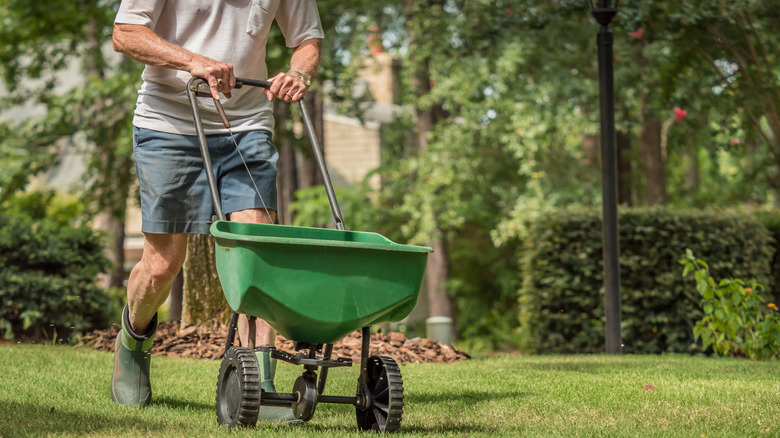
Planting and caring for warm-season grasses in summer requires precision. Start by loosening and leveling the soil, then apply seed evenly with a broadcast spreader. Top seed lightly with straw or compost to reduce evaporation and protect against the harsh sun. Since summer heat dries soil quickly, keep the top inch consistently moist by watering lightly three times per day until seedlings emerge, usually within seven to 14 days for warm-season types. Water early in the morning or evening to avoid scorching, being extra vigilant during dry spells, as young grass is especially vulnerable to summer stress. Avoid walking on seeded areas to protect fragile roots during this delicate phase.
Once your summer-seeded lawn reaches about 2 inches, you can mow. Just remember to never remove more than one-third of its height at once. Use a sharp mower blade and mow in the cooler hours to reduce stress. Apply fertilizer about three to four weeks following germination. Skip weed killers for now, since many herbicides are too harsh for new grass in summer. Instead, focus on deep watering every few days once roots are established. This trains your grass roots to grow deeper, helping your lawn survive heat and drought.