

The Biggest Material Mistakes To Avoid When DIYing A Birdhouse
We may receive a commission on purchases made from links.
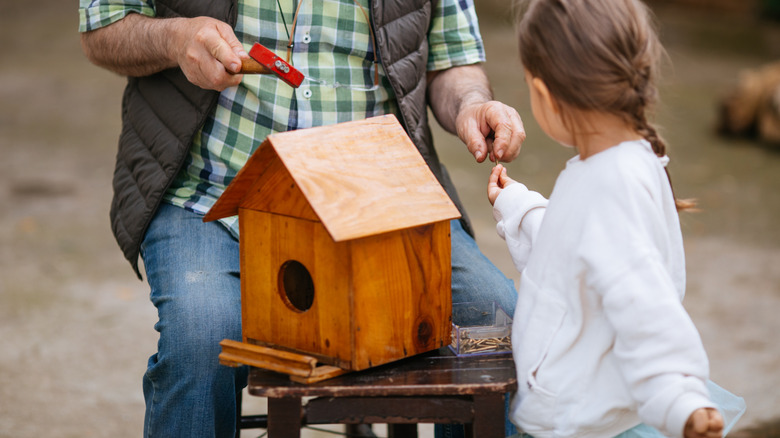
When attempting to lure more birds to your backyard, it is common practice to pick the best spot for bird feeders and provide additional shelter by hanging bird houses. Although there is a myriad of commercial options available, many backyard birders glean a good deal of satisfaction from building their own. However, when it comes to homemade birdhouses, it's not just a matter of choosing the right size birdhouse to build for your backyard. In order to safely build a DIY birdhouse, you also need to choose the right materials.
It is not uncommon to see DIY tips suggesting building birdhouses out of just about anything. But, there can be some serious issues with many of these materials. Metal, plastics, and certain types of wood can all be problematic for various reasons. Bird houses made from either metal or plastic can become overly hot, resulting in damage to both birds and eggs. Conversely, during the cooler times of years, these materials don't sufficiently insulate. Instead of metal or plastic, you should always build bird houses out of wood. However, it is important not to use wood that has been treated with creosote or other chemicals. These wood treatment products can be very toxic to birds. Rough-hewn boards and sections cut from fallen trees are the absolute best material. However, you can also buy untreated lumber. Sheets of ½- or 3/4-inch untreated plywood are readily available and make very good bird house building materials.
How to ensure your DIY bird house is bird safe
Aside from plywood, you can also use untreated cedar, pine, and cypress that has not been painted. However, if you are unsure about picking the right materials, or are unable to get your hands on something that would be considered safe, you can always purchase a birdhouse building kit. Models, such as the Nature's Way DIY First Viewing Window Garden Birdhouse kit, include everything you need to build a bird-safe birdhouse. In addition to choosing the right material to build your DIY bird house, there are other steps you can take to ensure it is safe for your feathered friends. Similarly to how you'd avoid chemically treated wood, you should also avoid painting your birdhouse due to its poisoning potential. Instead, you can weatherproof your bird house with linseed oil. If you must paint, use non-toxic paint on the exterior only — never paint the inside of the bird house.
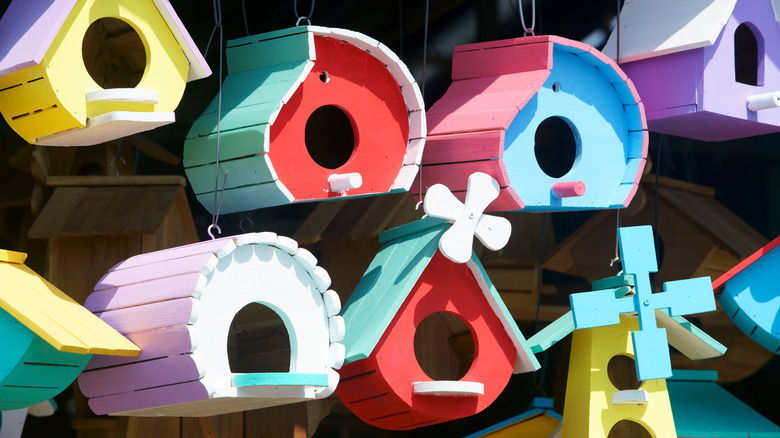
In general, you should stifle your creative urges. While uniquely shaped and vividly colored bird houses are often seen as ideal additions to backyards, they can actually put birds at risk. One reason is that they aren't just easily seen by your neighbors, they are also easily spotted by predators. It is better for the birds to have a homestead which blends into the natural environment. It is also advisable to avoid placing perches on your bird house. While this is a common addition, it actually serves little to no purpose for birds, assuming the hole in your bird house is the right size. Predators, on the other hand, can use perches to gain easy access to the birdhouse.