

Plant These 8 Shrubs In November For A Breathtaking Spring
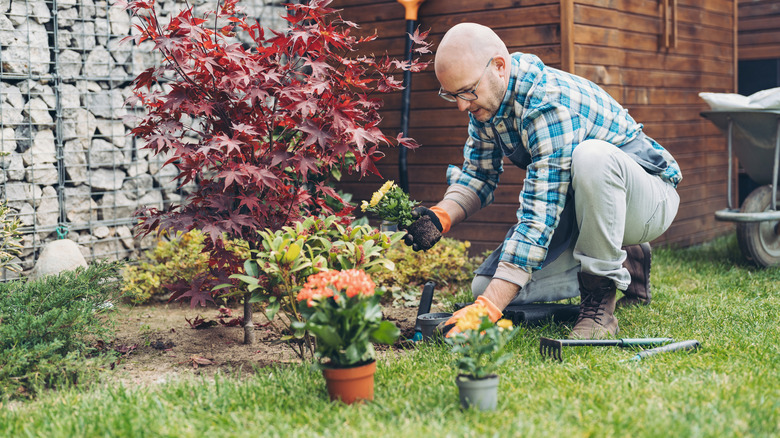
If you think that November is the time of year when you can take a break from your yard and garden, think again! There's actually a lot you can do in this final month of fall to get your outdoor spaces prepped for the new growing season, such as planting spring-blooming bulbs or getting the garden fertilized. But November is also an excellent time to plant shrubs in your yard for a breathtaking spring ... provided you live in the right climate zone.
November planting of shrubs like azaleas and mountain laurel is only really possible if you live in a climate zone that doesn't see freezing temperatures during the winter. The USDA breaks the United States into various different climate zones, which are determined by the areas' first and last average frost dates. For zones 2 through 6, November is generally too late to plant because of the fact that the ground is either frozen or beginning to freeze. Zone 7 rides the line, but zones 8 and up are ideal for planting in November, as the soil temperatures are cool enough to allow the plants to take their time to develop roots, but not so cold as to kill plants.
So, if you live in Zone 8 or higher, take note. The following 7 shrubs, which include roses and forsythia, can be planted in November for an absolutely show-stopping spring full of flowers.
Oakleaf hydrangea
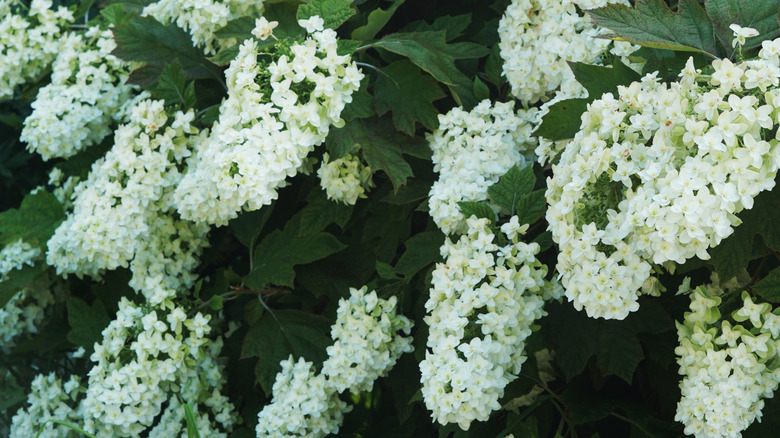
Despite being tolerant of temperatures down to zone 5, you should really only plant oakleaf hydrangea (Hydrangea quercifolia) in November in the higher end of its heat tolerance, which reaches to zone 9b. In the springtime, you can expect dense foliage and beautiful, cone-shaped flowers that bloom with delicate, white, star-shaped petals. Over time, oakleaf hydrangeas can grow up to 8 feet tall and wide, making them a perfect option for the back of a border. Later in the year, oakleaf hydrangeas will fill your garden with beautiful fall foliage, and the flowers will change from white to shades of pale pink, dusty purple, and brown.
Azalea
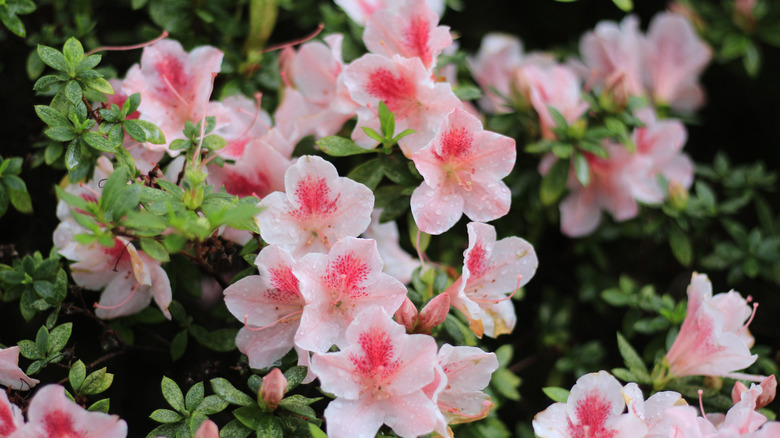
Hardy between zones 6a to 10a, azaleas (Rhododendron spp.) are a staple for providing spring color, and November can be an ideal planting time in zone 8 and above. And if you want blooms not only in spring, but throughout the season, look for Encore azaleas. Common cultivars of these trademarked hybrids include 'Autumn Bravo', 'Autumn Twist', and 'Conlic'. Apart from their deep evergreen foliage, Encore azaleas are bred to have repeat flushes of flowers from spring to autumn. Each successive flush is a little less pronounced than the last, so the spring bloom will certainly be the most dramatic and full.
Loropetalum
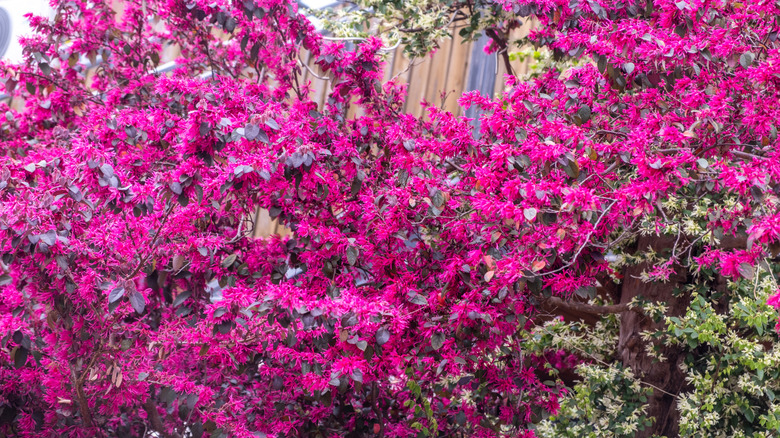
A lover of well-drained, acidic soil, loropetalum, also known as Chinese fringe flower, is hardy in zones 7 to 9, and can be planted in November for spring. The roots will establish over winter, and you will be met with some very early blooming in late winter and early spring. Depending on whether you have a dwarf, compact, or large variety, loropetalum can grow anywhere from a foot to 15 feet tall. Flower colors range from dark red to white, and the foliage can be green or burgundy depending on the cultivar.
Serviceberry
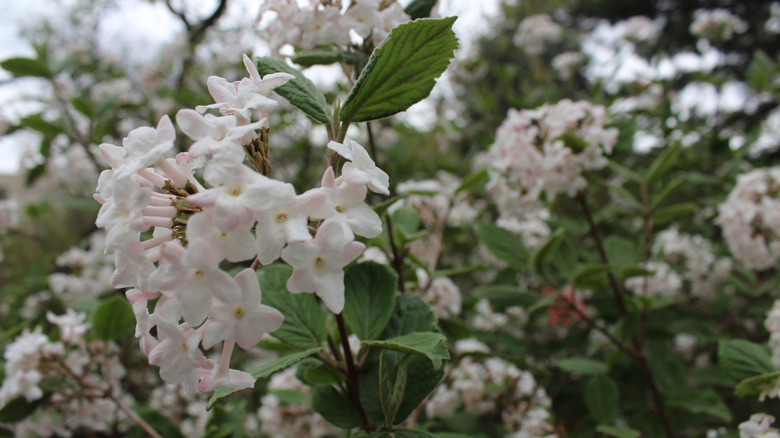
While they are hardy down to zone 4, common serviceberry (Amelanchier spp.) does tolerate heat up to zone 9 and can therefore be planted in November if you happen to live on the higher end of its climate spectrum. This is a shrub that can grow to 25 feet in height and 15 feet in width. It does well in full to part sun in well-draining soils, and will bloom with white, star-shaped flowers in April, then give way to edible berries come summer.
Mountain laurel
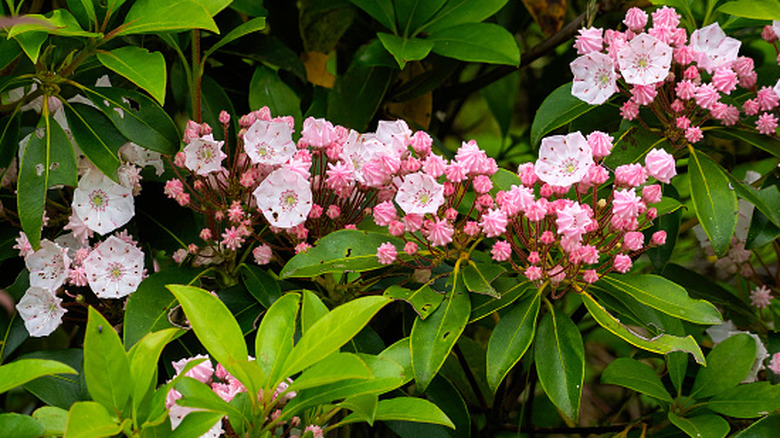
Zones 8 and 9 are the upper limits of where you can plant mountain laurel (Kalmia latifolia) and have it survive a warm summer. The mildness of the autumns in these upper zones means that you should be able to plant mountain laurel in November. When May arrives, you'll be met with the beautiful white-pink flowers that overtake the dense green foliage. Like many other woody shrubs, Mountain laurel prefers well-draining soil with its acidity on the higher end.
Arrowwood viburnum
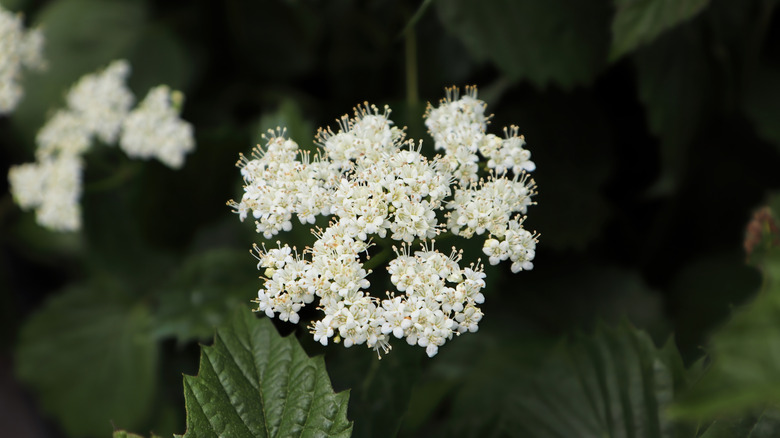
Hardy in zones 2a to 8b, arrowwood viburnum (Viburnum dentatum) is a low-maintenance native that grows well in part shade to sun. It likes moist, well-draining soil but can handle periods of dryness. The small white flowers burst forth in the springtime, typically between May and June, in clustered blooms that are mildly reminiscent of hydrangeas. Later in the season, the flowers give way to dark berries which ripen during fall and are a great winter food source for the local songbird population.
Forsythia
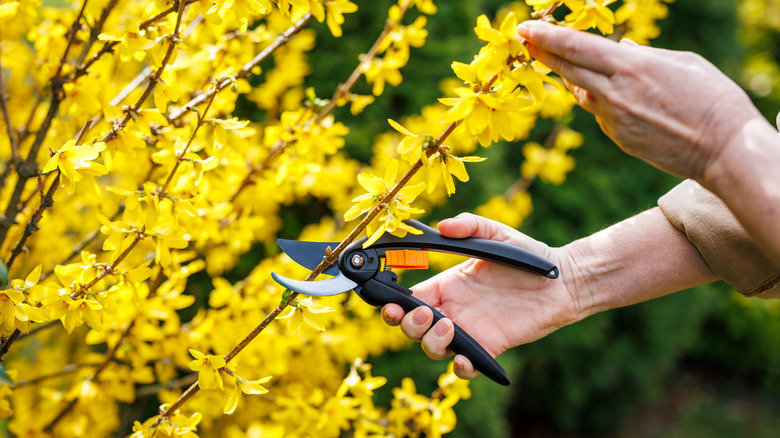
If you're in need of a border plant or something that will bring a lot of dramatic color to your yard in the spring, you can really do no better than forsythia (Forsythia spp.). This is a spreading shrub that will need pruning right after flowering in order to keep it from getting out of hand. However, when it blooms with its beautiful, bright yellow flowers in the spring, you'll be glad to have it in your yard. Forsythia can tolerate most soils provided you give it plenty of sunshine.
Shrub roses
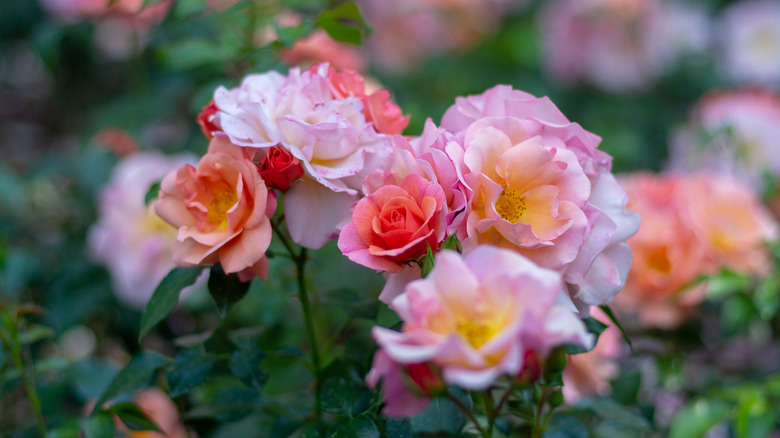
Zones 7 to 9 are generally the perfect climates in which to grow almost any type of rose. Thanks to the fact that the winters are mild and not likely to experience hard freezes, you can plant the roses in November, while they are dormant. This will give your new roses about four months to establish, so that they can put on a dreamy display come spring. Situate your new roses in full sun (some protection from afternoon sun can be beneficial in hot sites), water well after transplanting, and mulch.