

10 Simple Guidelines First-Time Campers Need To Know
We may receive a commission on purchases made from links.
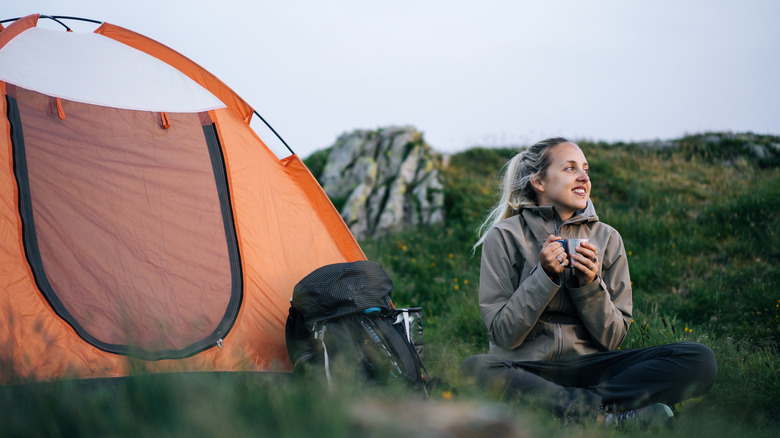
Camping is hardly a new outdoor activity: It has been around longer than people have been using the outdoors for recreational purposes. Lately, however, it has been rapidly rising in popularity across the United States. One aspect of this growth is that there are many more first-time campers, leading to both a surge in sales of camping supplies and a growing need for knowledge of best practices. To that end, we've compiled 10 simple guidelines first-time campers need to know before they embark on their initial foray. From the best food choices to camp layout, these tips are an easy way to upgrade your camping experience the very first time out.
By definition, there is far more that beginners don't know than what they actually do know. That's fine when you're picnicking in the park or playing pickleball, but when it comes to setting up a temporary home outdoors, this knowledge gap can lead to frustrating, uncomfortable, even unsafe situations. Therefore it's wise to keep your initial forays close to home and relatively short (like, a night or two) as you build camping skills, like checking your gear in advance, bringing along a few comforts, and using fire responsibly.
Practice pitching your tent
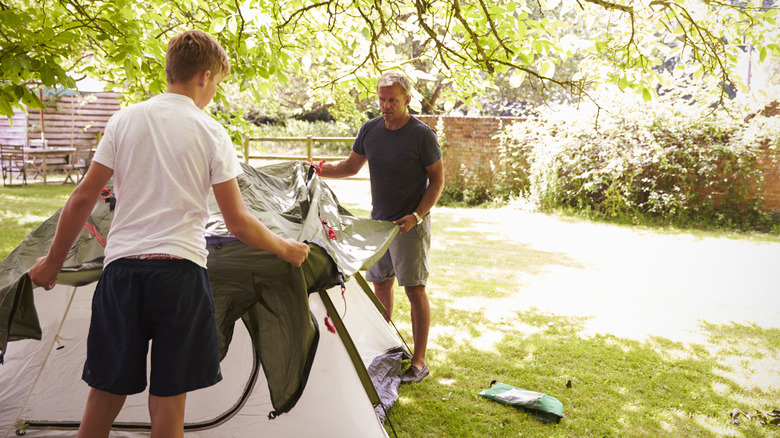
If you're a beginner camper, odds are you haven't had much practice pitching a tent. Even with experience, if you're taking a new tent on your trip, you should practice before you go. The best place to do this is either in your yard or — if your tent is small enough — inside your house. Learning to properly pitch the tent will make you more efficient at setting up and breaking down camp. This practice round is also a good time to check for any missing or damaged pieces, and to clean a dirty tent.
Test your gear ahead of time
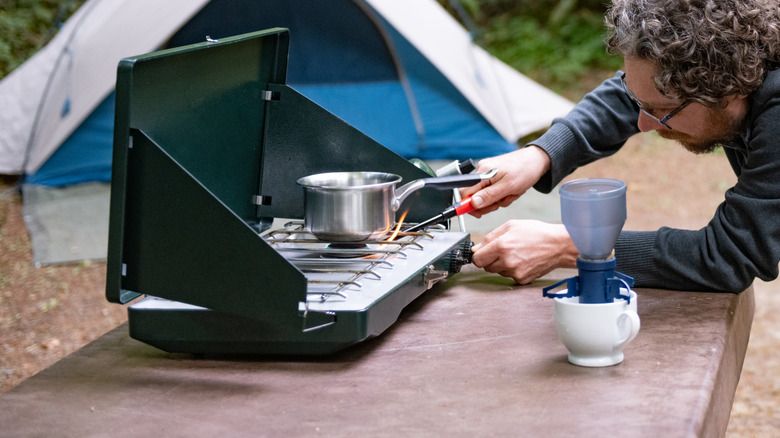
Your tent isn't the only piece of equipment with which you should practice. One thing every camper should do — beginner or experienced — is check each piece of gear before packing it, even if it's not new. As a beginner, this gives you a chance to understand how to operate various pieces of equipment, such as camp stoves, first aid kits, and lanterns. But it's also an important step towards ensuring all equipment is in proper functioning order, fully charged, or loaded with fresh batteries before heading outdoors, where replacement parts might be scarce.
Choose your campsite carefully
One of the best ways to avoid finding yourself in a dangerous situation while camping is to find a safe campsite. That means staying at least 200 yards away from bodies of water to avoid flooding and biting insects, not pitching your tent under large tree limbs, and avoiding flood plains or other areas where storm waters drain. While that may sound like you are missing out on some of the most breathtaking places to camp, it is actually the best way to stay safe should foul weather set in.
Set up as soon as you get to the campsite
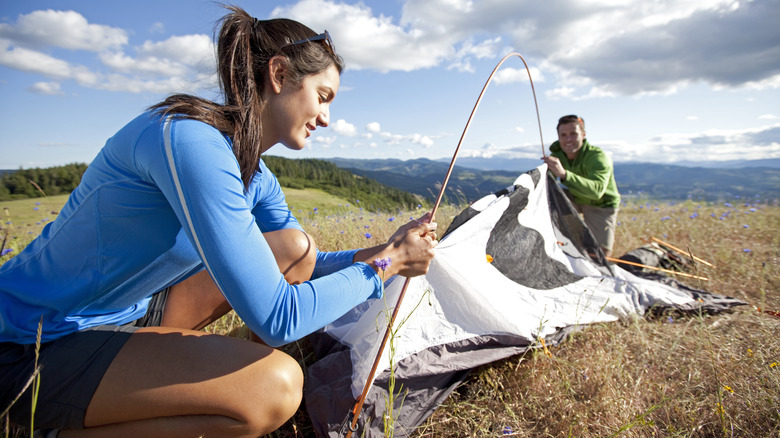
Something that goes hand-in-hand with choosing a safe campsite is getting there early and setting up camp as soon as you arrive. This gives you plenty of light to see what you're doing as you choose the spot to put your tent, pitch your tent, and set up the rest of your camp. It also helps you avoid rules campers break in the first 10 minutes. The tent should always be your first priority, providing shelter as soon as possible in the event of inclement conditions or nightfall.
Bring plenty of lighting
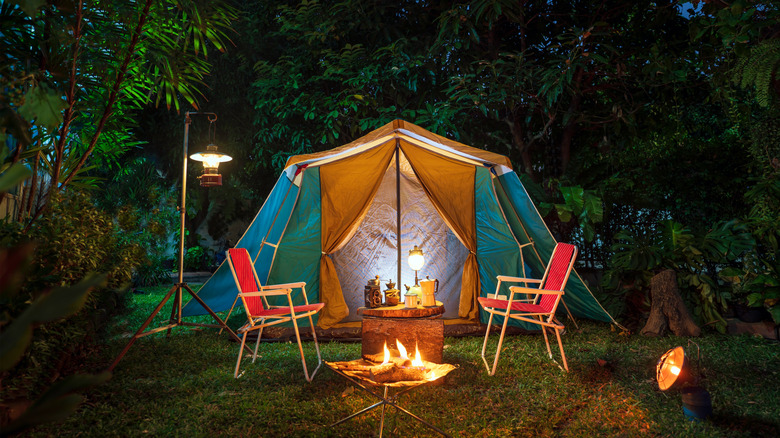
While overpacking is a camping packing mistake to avoid, you don't want to skimp on the lighting — especially on your first camping trip. It's important to keep in mind that some light sources, such as lanterns and string lights, are intended to provide ambient glow over a broad area, while others such as flashlights and headlamps cast a concentrated beam for specific tasks. Ideally, you should have at least one of each type of light source in order to safely and efficiently maneuver about or outside the camp.
Clotheslines can keep things high and dry
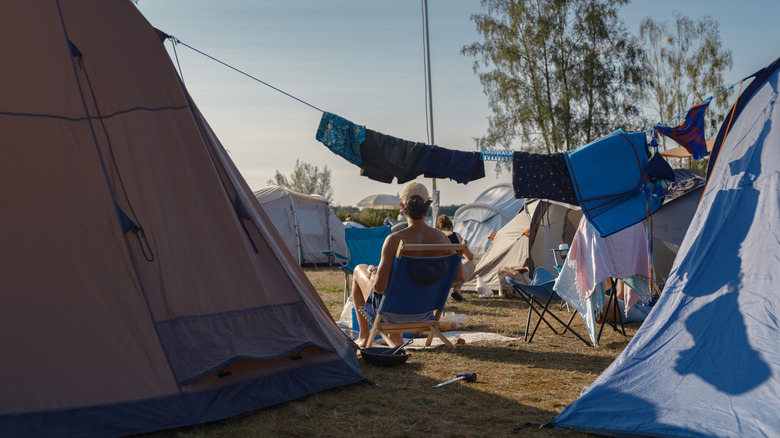
One handy tip that many first-campers may not consider is to bring a clothesline to keep things dry and off the ground. Hanging damp clothing or swimsuits is an obvious use, but it serves other purposes. For example, water sports equipment, such as life jackets, can be hung to dry, as can rain ponchos or hats. Items such as hiking shoes can be suspended both to dry and to keep scorpions out. This will ensure your clothing and gear is dry, mildew-free, and ready for use. It also helps keep your camp organized.
Keep your camp organized and tidy
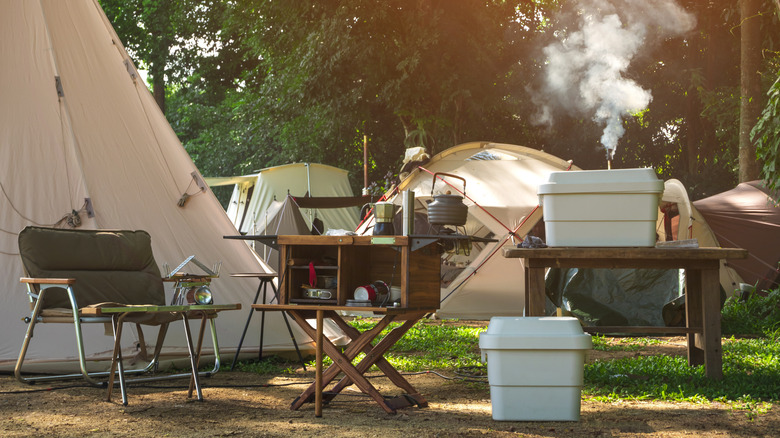
One thing many first-time campers struggle with is keeping their campsite tidy and organized. While this may seem trivial, a clean campsite is an essential element for camping responsibly and sustainably, as it reduces litter and helps avoid soil and water contamination. It's one of the best ways to reduce the risk of injury while also making your whole trip less stressful and more enjoyable. One of the simplest ways to keep your campsite organized is using see-through or well-marked storage containers so you know what's inside.
Use safe practices with campfires
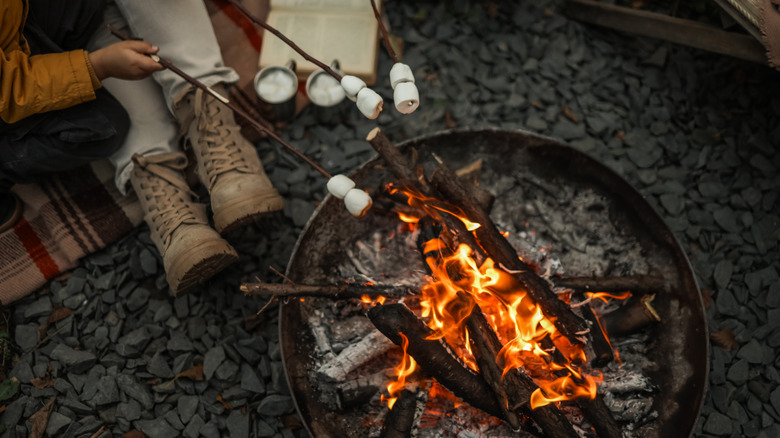
As Smokey Bear is fond of saying, "only you can prevent wildfires." The best way to do that is by practicing extreme campfire safety. Number one: No matter how much you want the ambience of a fire, if it is excessively dry or windy — or a burn ban is in effect — do not attempt to start one. When conditions allow, choose a site at least 15 feet away from brush, trees, and tents. Make sure there are no limbs or branches hanging overhead. Finally, thoroughly extinguish any fires with water and dirt.
Keep meals simple
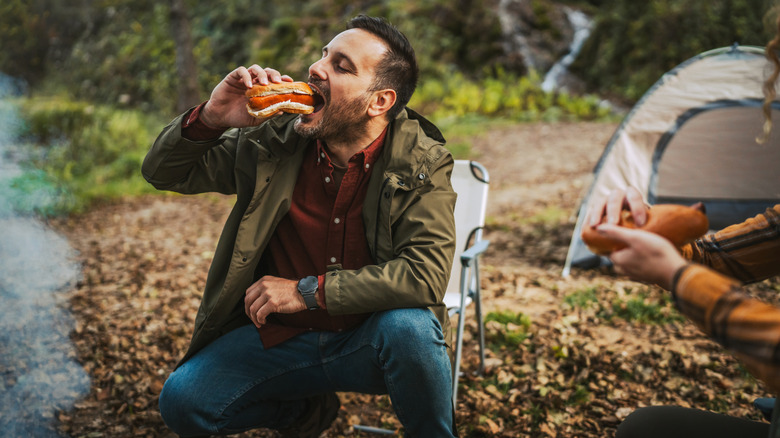
At some point during your camping trip, you will need to eat. While you might aspire to use a variety of methods to cook tasty campfire meals, it's best to keep things simple the first few times out. Do as much meal prep at home as possible, like cutting up veggies or making burger patties. Sandwiches and ready-to-eat items are good options for your first time afield, as are packaged snacks like Smolbol crunchy coated peanuts. For something hot, roasting hot dogs over a campfire is a traditional way of preparing a simple camp meal.
Hammocks can help you relax
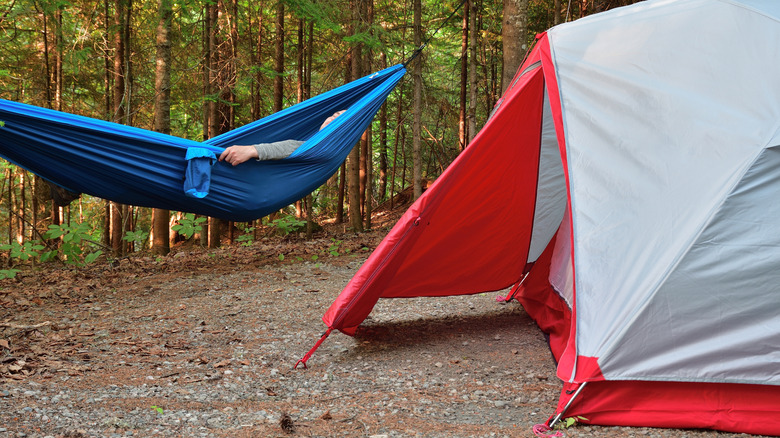
A bonus guideline for first-time campers is hammocks are a great way to relax around camp. They don't take up much space, are easy to put up, and are ideal for spending a bit of time unwinding. Hammocks, like the Eno Doublenest camp hammock, are an especially good option if you are limited on packing space or hiking into a campsite, where it's impractical to carry lawn chairs and other camp furniture. Just be sure to practice setting it up at home first.