

Boomers Grew Up Making These 4 Backyard DIYs — Now They're Nearly Forgotten

When it comes to DIY projects in the backyard, there are many ideas that are completely timeless. Handmade seating areas, garden beds, and DIY garden trellis designs have been crafted by decades of gardeners, with new ideas showcased each year on social media. But for those in the baby boomer generation, many trends have come and gone. Back when postwar suburban life took hold in the 1950s, '60s, and beyond, magazines devoted plenty of attention to transforming ordinary yards into outdoor living spaces, making certain home improvement projects quite popular for both boomers and their parents. Vintage backyard guides from the era feature everything from simple wooden structures to minimalist concrete planters and other landscaping projects.
These days, though, many of these boomer-favorite projects are surprisingly hard to find, or are only just making a comeback (hello macramé). That's not because people have forgotten how to build things themselves: Some of these projects may have disappeared in favor of more streamlined or tech-savvy versions, while others have been deemed unsafe by modern standards. Still, the cyclical nature of retro styles make many of these DIYs worth revisiting, especially if you're interested in developing a mid-century look for your yard. From crafty plant displays to unconventional garden containers and homemade barbecues, these projects offer a glimpse at the kinds of outdoor activities baby boomers once loved, even if they're nearly forgotten today.
Painted tire planters
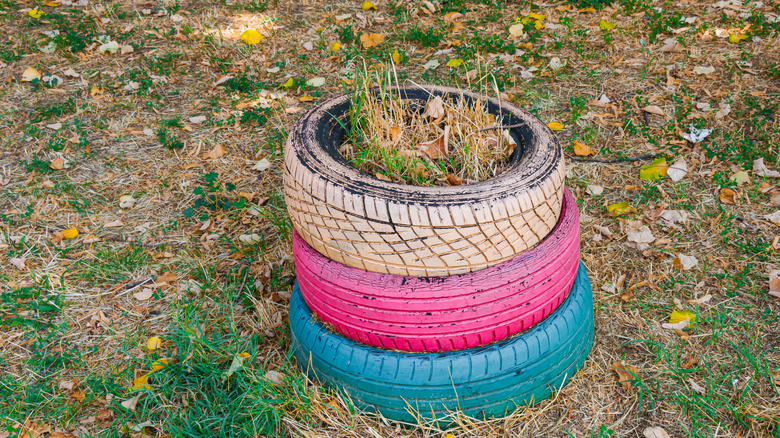
Long before upcycling became a trendy word, homeowners were finding creative ways to give discarded materials a second life, starting during the Depression, through WWII and into the hippie/commune era of the late 1960s and early '70s. Old tires were an especially handy source of garden building materials, allowing baby boomers to plant flowers and herbs inside the threadbare rubber vessels. These makeshift planters have roots going back decades, with the practice reportedly gaining traction during World War II, due to wartime rationing of raw materials. By the 1950s, however, owning a car became commonplace for the average family, leaving Americans with a surplus of spare tires.
Needless to say, many gardeners took things a step further, cutting decorative zigzags into the sidewalls, turning tires inside out, or painting them with bright colors. This DIY is still possible, though modern gardening aesthetics rarely align with the salvaged look of a turned-out tire when garden centers and discount stores offer charming, inexpensive planters. Aesthetics aside, tire planters have fallen out of fashion for environmental and health reasons as well. Tires can be hot to the touch when left in direct sunlight, and are mosquito magnets when water pools inside. The potential for the complex mix of rubber, synthesized plastics, nylon, chemicals, and steel to contaminate garden soils with volatile organic compounds (VOCs) while degrading isn't worth the risk. Tires are full of chemicals and heavy metals including zinc, lead, and cadmium, which could leach into the surrounding soil. While there's no direct evidence to suggest that these chemicals will harm your plants, it's enough to turn most gardeners off the idea entirely. If you still want to evoke the vibe, you can purchase PLA plastic planters off Etsy, molded to look like a stack of small tires.
Macramé plant hangers
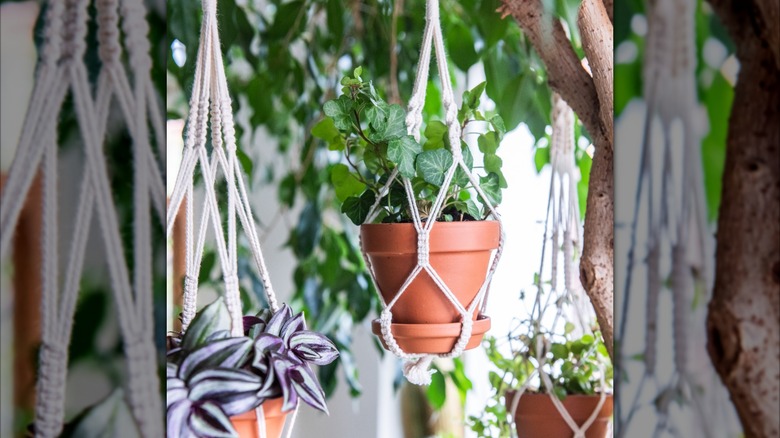
If you grew up in the '70s, there's a good chance you remember macramé. Whether you knotted these textiles yourself or simply saw the technique everywhere from living rooms and patios to stylish vests on the dance floor, this craft had a major moment around the same time as disco fever. Simple DIY plant hangers were one of the more recognizable macramé projects, requiring little more than some jute cord, wooden beads, and a metal ring. The craft is quite easy, no knitting skills required: Just a series of knots and twists will turn lengths of cord into a sturdy hanging basket. Macramé experts add beads and multicolored cords with intricate knots to give their creations personal flair. Vintage instructions from the 20th century show just how elaborate some of these homemade hangers could become.
Then, almost as quickly as macramé became fashionable, it became unfashionable. Contemporary recollections describe the craft as having fallen dramatically out of favor by the '80s, when its association with brown-and-orange interiors from the previous decade made it seem decidedly dated. Since then, macramé has enjoyed periodic revivals, including a modern resurgence that began bringing the craft back into the fold during the COVID-19 lockdowns of 2020. Today's version tends to be simpler and more minimalist than the elaborate 1970s style, but it's macramé all the same.
You can still buy or DIY a macramé plant hanger today. But, seeing an entire collection of them dangling from every porch in suburban neighborhoods is pretty unlikely. Still, it's a fun alternative for those looking to eschew commercially manufactured baskets, ceramic planters, or metal holders, and imbue their space with an old-school vibe.
Homemade concrete planters
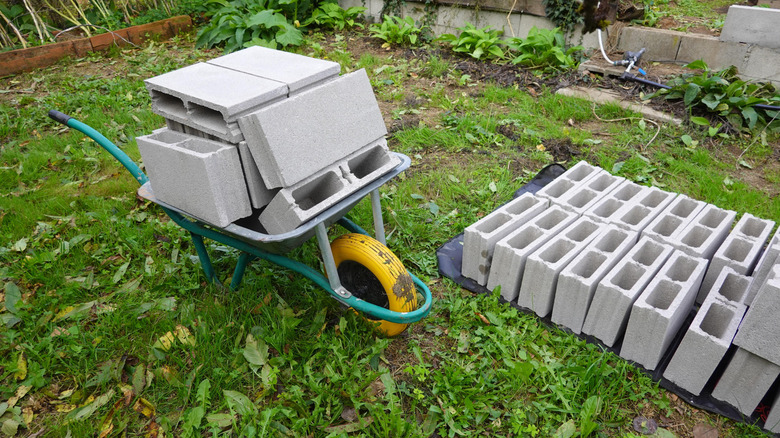
One of the more popular planter materials in the 1950s and '60s were simple concrete cinder blocks. The clean lines, durability, and distinctly modern appearance of these blocks made them a popular choice for gardeners looking for a brutalist, industrial-inspired design. Homeowners didn't necessarily have to buy a finished set of cinder blocks: Mixed concrete could be poured straight into a mold, allowing baby boomers or their parents to customize their planters with ease.
For gardeners who wanted something that looked more like carved stone, there was also hypertufa, a lighter concrete-like mixture made with materials including Portland cement, peat moss or coconut fiber and sand or perlite. Hypertufa was invented in the 1930s, though it gained popularity through the '50s and '60s as a way to create durable, faux-stone garden containers at home. As to why hypertufa and cinder blocks are less common in gardens today, it mostly comes down to convenience and aesthetics. Garden centers now offer inexpensive, lightweight containers in a wide range of materials and styles. Concrete planters themselves never disappeared, of course, but the need to make one yourself has faded significantly. What's more, you might want to think twice before using cinder blocks for a raised garden bed, as regulating moisture is difficult, the blocks are heavy and expensive, and older cinder blocks may leach toxic chemicals.
If you are considering lugging a few cinder blocks away from another project, you might find that they offer a sterile look that doesn't quite jive with your modern aesthetic. If this is the case and you still want concrete, you might be able to find some pre-made hypertufa structures in stores or online that offer the right blend of modern and vintage.
Homemade barbecue pits and ovens
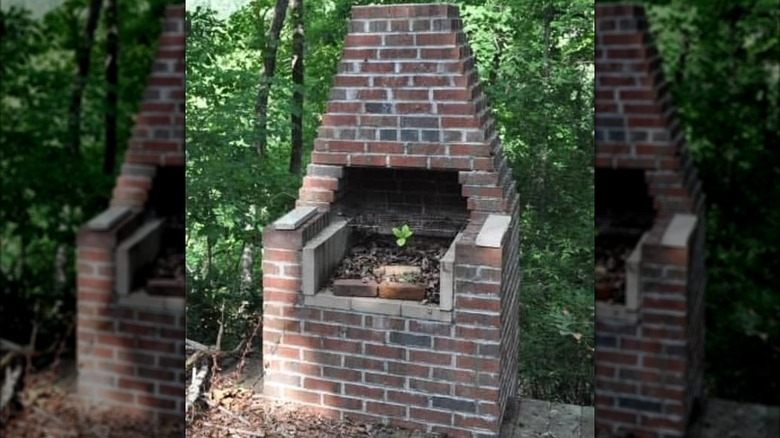
Before the backyard grill became something you could easily wheel home from a big-box store, homeowners often built the outdoor cooking station themselves. Brick, concrete, stone and a little masonry know-how could turn an ordinary corner of the backyard into a permanent barbecue pit, and mid-century lifestyle magazines were happy to provide the instructions. A 1958 issue of "American Home," for example, featured plans for a circular backyard barbecue that homeowners could construct themselves. That project called for a concrete foundation, stonework, firebrick, and metal grill supports, with detailed measurements and instructions for putting everything together.
The idea for these backyard fire pits fit perfectly with the era's growing enthusiasm for outdoor living. By the 1960s, patios and backyards were increasingly being treated as additional living spaces, and contemporary magazine ads specifically promoted concrete-block barbecue pits as part of that outdoor lifestyle. Of course, the homemade pit had one major disadvantage that prevented it from becoming a mainstay as we approached the turn of the century. That is, once it was built, it wasn't going anywhere. This becomes a major issue when a house trades hands, whether to a descendant or a buyer.
As manufactured grills became more widely available, there was less reason to devote a permanent section of the yard to a barbecue pit. And even less reason still to take up amateur masonry. Obviously, the built-in barbecue didn't disappear entirely, since many homeowners still enjoy permanent outdoor kitchens today. In fact, there are a number of reasons you shouldn't DIY an outdoor pizza oven or permanent brick grill, from safety to aesthetics. The kinds of cookers you'll see on the patio these days tend to be much more expensive and hi-tech than these stone-age structures.