

Outdated Boomer Yard Advice Millennials Absolutely Can't Stand

According to some popular insurance commercials, we all inevitably turn into our parents when we buy a house. However, homeownership hasn't convinced millennials they should adopt the lawn care practices of previous generations. In fact, when it comes to outdated yard advice from baby boomers, many millennials believe it falls into the category of lawncare myths you can stop believing. This pertains to the size and look of lawns, as well as the tools and techniques used to care for them.
Baby boomers, the generation born between 1946 and 1964, represent the largest generation in America. They are closely associated with the traditional American yard — a perfectly manicured lawn filled with dense turf that is heavily watered and fertilized. Some boomers insist they didn't create traditional American lawn and garden style. Instead, they place that blame on their parents who began buying homes and creating perfectly manicured lawns in the years following WWII. However, the boomers certainly continued these traditions, as the 1980s and '90s — the period when boomers were in their economic prime — saw an emphasis on pristine pruning, mowing, and edging.
America's second-largest generation, referred to as millennials, have a much different view on lawns and lawn care. It is hard to say whether this is due to, or in spite of, the fact many millennials — the group born between 1981 and 1994 — are the offspring of boomers. However, it is clear that, at least in terms of lawn advice, millennials are not turning into their parents. To be fair, some boomers are also moving away from their own original yard advice. Entering retirement years, many boomers are opting both to downsize and take environmental concerns into consideration. However, much of the traditional boomer yard advice is still floating around today – and millennials can't stand it.
Millennials have a different perspective on perfection
Throughout the majority of years in which baby boomers have been alive, the traditional American lawn has been held in high regard. To boomers, the perfect lawn was cut close, with clippings removed. To complete the look, sidewalks and driveways had to be perfectly edged and shrubbery pruned just so. To maintain the density and color of grass, fertilizer was liberally applied and the lawn was frequently watered. Harsh chemical pesticides were regularly employed to ensure insects were kept out of the lawn. The end result was more geometrical than natural in appearance and required a good deal of time, energy, and money to maintain.
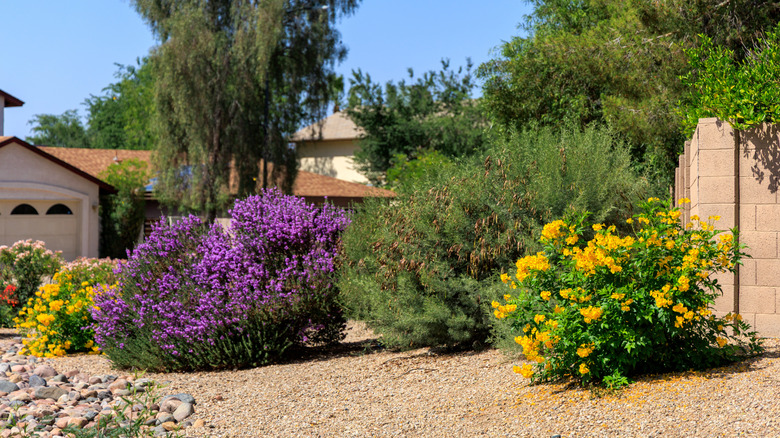
Millennials have been changing that approach quite drastically. In fact, you could almost say they've gone in the complete opposite direction. Instead of planting hard-to-maintain, water guzzling grass, ornamental shrubs, and invasive flowers, they more often opt for native landscaping and ground cover plants. This native vegetation typically requires less water and, turning your yard into a wildlife haven by rewilding it, attracts and nurtures a variety of pollinators. Quite often, these low-maintenance native plants are left to grown in their natural state — much to the chagrin of prim-and-proper lawn-loving boomers. When it comes to combating harmful pests, millennials prefer organic solutions and plants that repel pests naturally to harsh chemical pesticides.
Millennials opt for eco-friendly and smart yard tools
There once was a time, namely the 1980s and '90s, when you could barely hear over the din of gas-guzzling lawn equipment being used across the neighborhood on any given Saturday morning. Today, you'll find a number of areas and communities where you can easily hear birds chirping in the trees even if lawn work is being done in every yard. That is because millennials aren't worried about how to pick the right fuel for their lawn mowers. They want and use electric mowers and lawn implements instead. These electric devices not only reduce noise pollution, they also help lessen the amount of harmful emissions entering the air. As proposed bans on gas leaf blowers become more common throughout the country (many California communities already ban gas-powered lawn care equipment) and more people buy electric mowers, expect the quiet Saturday to become more common.
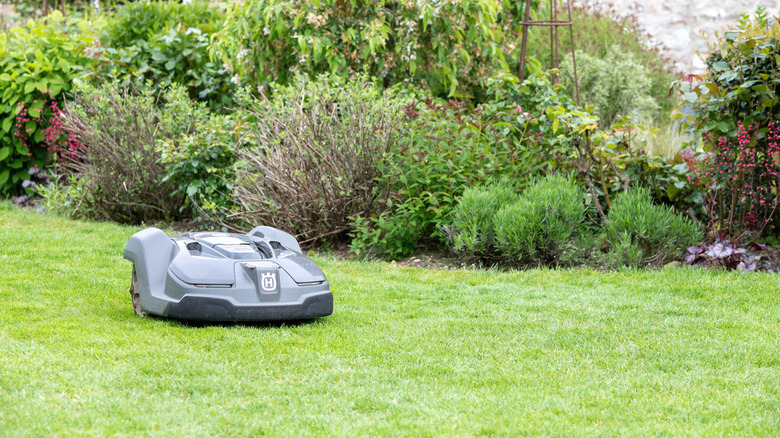
Millennials have also largely done away with the all-weekend, every weekend lawn care model which was necessary to maintain the traditional American style lawn. This is partially due to the popularity of clever no-mow lawn alternatives, which are being heavily utilized. However, it is also due to the implementation of new technologies. From robot mowers to apps controlling watering systems and monitoring soil needs, millennials have found ways to utilize technology to fine-tune and reduce the amount of time spent on mundane lawn care tasks. This allows them to spend more time tending edible gardens or relaxing in diverse outdoor living spaces — two other trends popularized by millennials.