

Forget Peaches: These 5 Fruit Trees Will Last Over 100 Years
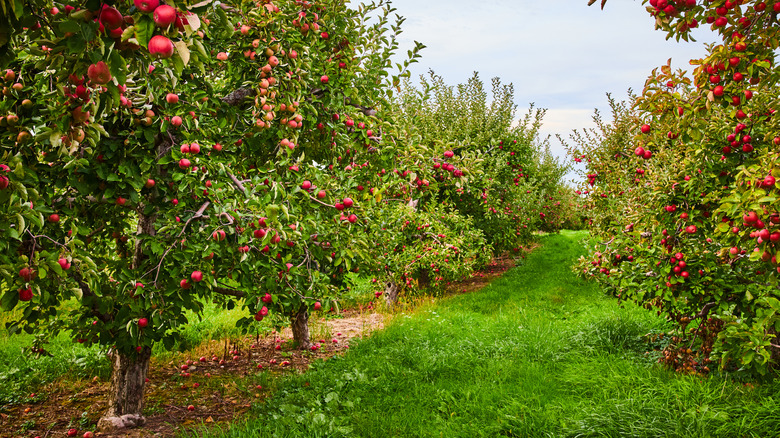
Some trees, like the Japanese umbrella pine — an evergreen ideal for small back yards — can take decades to fully mature, making planting one a long-term project signaling your decision to lay down roots. If you're looking to create a lasting legacy, planting a fruit tree could be the perfect statement piece. Many varieties are known to live for more than a century, when properly cared for, yet begin bearing fruit within three to seven years. Unfortunately, if your plan was to move out to the country and eat a lot of peaches, be aware that both peach and nectarine trees only live about 12 years. Thankfully, there are plenty of other options.
When picking fruit trees for your yard, there are several important factors to consider. Different trees will require different standards of care, maintenance workloads, and different growing environments. You'll want to double-check which trees are right for your region, and choose the best mulch and soil to keep trees nice and healthy. For any given fruit, certain varieties or cultivars will be more naturally inclined to outlive the rest. And, of course, you may want to reconsider fruit trees altogether if you live in bear country. Otherwise, there are several candidates that can offer shade, act as a home for high-value pollinators, and bear delicious fruits for yourself, your children, and your grandchildren.
Pear trees
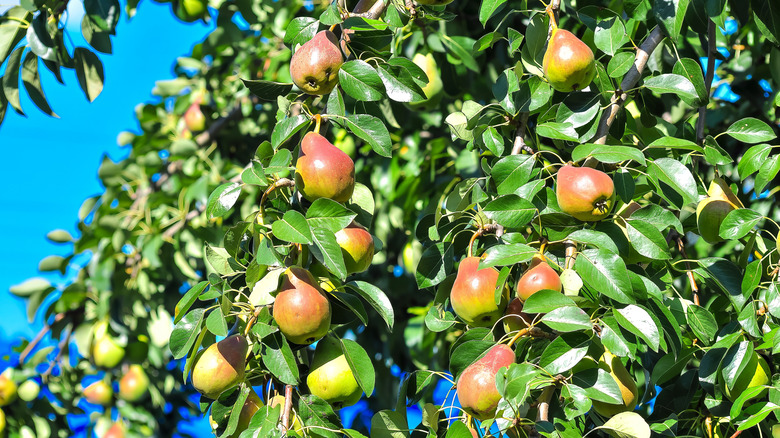
If you're seeking a tree that can survive for 100 years, few can stack up against the impressive longevity of a pear tree. Known for their beautiful spring blossoms, dependable harvests, and adaptability, pear trees (Pyrus communis) have earned a reputation as some of the longest-lived fruit-bearing trees commonly grown in home orchards. Under ideal conditions, many pear trees can survive well over 100 years, and some historic specimens have remained standing and productive for much longer. In fact, an Endicott pear tree in Danvers, Massachusetts, still bears fruit at nearly 400 years old.
Part of the pear tree's allure comes from its hardy nature. They can usually tolerate a wide range of soil types and weather conditions, making them easier to establish than some more delicate trees. Their best environment can be found in USDA Zones 4 through 9, depending on the cultivar. Once mature, their deep root systems help them withstand periods of drought (they'll even produce fruit!) and environmental stress that might shorten the lifespan of other orchard favorites.
The best way to maximize your pear tree's lifespan involves plotting it in deep, well-draining soil, providing regular water during establishment, pruning throughout the late winter, and monitoring for pests year-round. Once pears begin to grow, you'll also want to thin them out each summer to reduce stress on the branches and allow the remaining fruit room to grow.
Olive trees
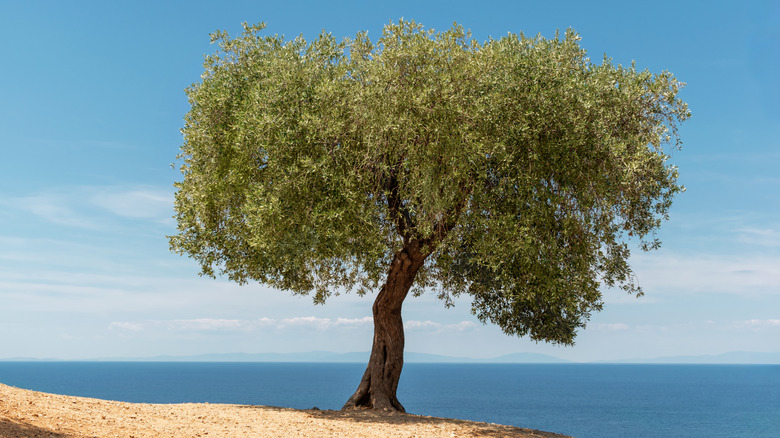
While an olive tree might not immediately spring to mind when considering a fruit tree, this is the gold standard when it comes to longevity. Olive trees (Olea europaea) are famous for living, and bearing fruit, for several hundred years, especially in environments which mimic their natural Mediterranean landscapes. Most olive trees in the United States are found in California, but they're perfectly suited to grow anywhere in USDA Zones 8 through 10, thanks to relatively mild winters and dry summers.
One major reason for the olive tree's remarkable lifespan is its resilience. These saplings are well adapted to hotter climates which would challenge many other fruit trees. Their extensive root systems help them access moisture deep within rocky, rugged soil, while their tough leaves are designed to conserve water during periods of drought.
As with all slow-growing things, growing an olive tree requires some patience. Many varieties take up to a decade to reach peak production, but their longevity means homeowners can enjoy harvests for generations to come, once the tree matures. In the right environment, olive trees can even outlive civilizations: The Olive Tree of Vouves in Crete — considered to be the oldest living olive tree in the world — is estimated at nearly 4,000 years old and still bears fruit.
To encourage a long and healthy life, olive trees should be planted in well-draining soil and given plenty of sunlight. Regular pruning can improve airflow and help maintain a productive canopy, while avoiding overly wet conditions can reduce the risk of disease.
Fig trees
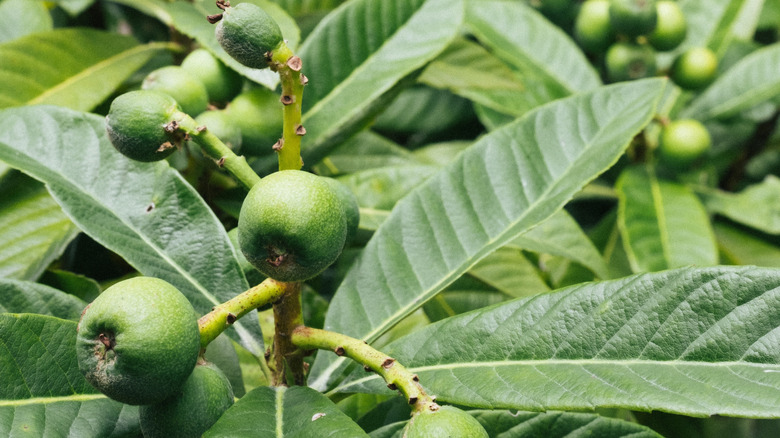
Much like olive trees, fig trees (Ficus carica) have been cultivated for millennia. Known for their sweet fruit, attractive foliage, and relatively low-maintenance growth, these trees can also be remarkably long-lived. In the right climate, such as USDA Zones 7 through 11, fig trees frequently survive for a century or more, making them an excellent choice for gardeners who want a fruit tree that can provide harvests for many years. In fact, a sacred fig tree in Sri Lanka named Jaya Sri Maha Bodhi was planted in 288 BCE and is considered to be the oldest living tree deliberately planted by a human.
To maximize their longevity, fig trees should be planted in well-draining soil and given access to full sun. Regular watering, occasional pruning, and protection from extreme cold can help keep the tree healthy. While not every fig tree will reach the century mark, many have the potential to do so under the right conditions. Figs thrive in warm, sunny environments and can tolerate periods of drought once established. This resilience has helped them remain a staple in orchards and home gardens across the world for centuries. Even when the figs aren't ripe, the tree's large, deeply lobed leaves create a lush, tropical feel in the yard or garden.
Apple trees
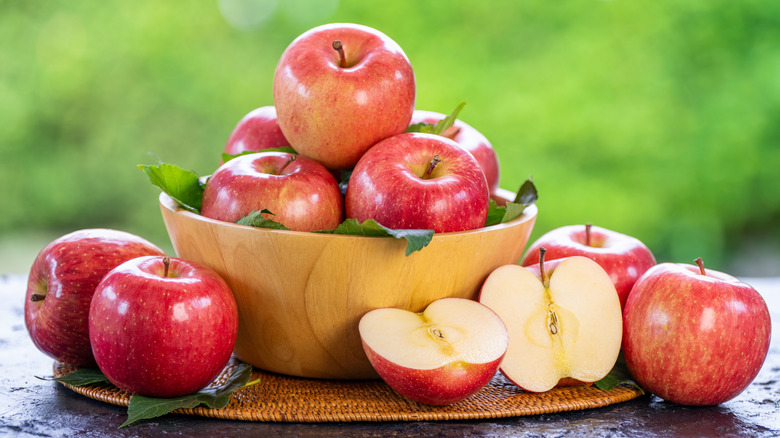
Apple trees (Malus spp.) are classics for a reason. These aren't just some of the most iconic fruit trees in the world, they're also some of the longest-lived. While many homeowners plant apple trees for their reliable harvests and beautiful spring blooms, few realize that a healthy tree can survive for over 100 years under the right conditions. In fact, some historic apple trees planted in old homesteads and orchards continue to stand long after the people who planted them are gone.
One globally recognized crabapple tree in St. Boswells, Scotland is estimated to be nearly five centuries old, while several North American varietals — including the only known extant North American example of a Drap D'Or de Bretagna heritage apple — are said to be between 100 and 250. Of course, certain strains of apple tree will have longer lifespans than others, so be sure to investigate thoroughly before you make your decision. Dwarf apple trees, for instance, usually top out at 15 to 20 years, as opposed to crabapple trees which routinely live for centuries at a time. Certain crabapple trees are also known to attract cardinals to your yard, so that's an added bonus!
It should be noted that, while these trees may live a century or more, they often hit their fruiting prime from about 10 to 25 years old. The good news is, older trees can be "revived" with proper care to produce more fruit. As with any fruit tree, regular pruning, adequate watering, disease management, and good airflow around the canopy can all contribute to a longer, healthier life. Choosing a planting site with full sun and well-draining soil can further improve the tree's chances of thriving for generations.
Mulberry trees
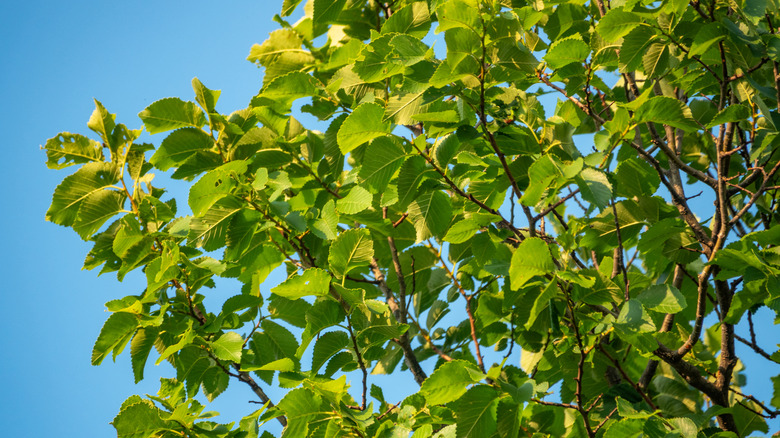
Rounding out our list of long-lasting fruit trees, we've got mulberry trees (Morus spp.). Known for their hardiness and vigorous growth, mulberry trees are capable of surviving for well over 100 years under favorable conditions, even upwards of 500 years depending on the variety. Some mature specimens have remained productive for generations, making them a worthwhile investment for those looking to create a lasting legacy in their landscape.
Like some of the other trees on this list, mulberry trees are known for their adaptability. They can thrive in a variety of soil types from USDA Zones 4 through 8, and they're known to tolerate conditions that might challenge more delicate plants. Mulberries are also relatively drought-tolerant and resistant to many common orchard problems, allowing them to continue growing and producing fruit with minimal intervention, though fruits may drop off the tree early if the roots get too dry.
Another attractive feature of the mulberry tree is their rapid growth. As opposed to some other long-living trees that can take 5 to 10 years or more to bear fruit, mulberries can reach their fruiting stage in just 2 to 5 years, depending on how you plant them. Their broad canopies can also provide cooling shade during the summer months, making them a practical addition to yards and gardens beyond their fruit-producing abilities. Some 30 bird species are particularly fond of these elongated, seed-heavy berries, making it a simple way to attract more songbirds to your yard.