

Don't Fall Victim To Floods: How To Protect Your Home From Heavy Spring Rain
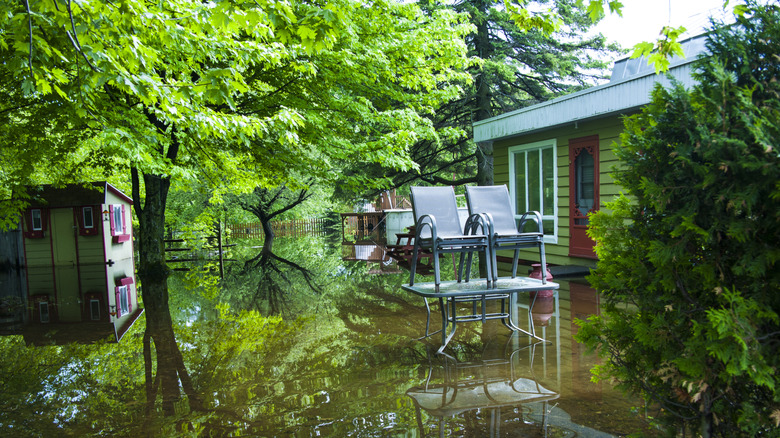
Spring is known for many things, notably warming temperatures, sunny days, and the start of growing season. However, it is also known as a time of extreme weather and frequent flooding. While a sudden, heavy downpour is often a source of flash flooding, sustained heavy spring rains that completely saturate an area over time can also cause floods. This issue can be exacerbated in some areas by melting snow, resulting in even more runoff. Whether from a flash flood or frequent rains over time, the end results can be costly and dangerous. The keys to not falling victim to spring floods include knowing your risks, taking steps to reduce that risk, and being prepared.
Protecting your home from heavy spring rains begins long before the bad weather arrives. The first step is knowing the risks based on your location. This can be determined by finding where you home is located on a FEMA flood map. The map helps determine the likelihood of flooding in your area, and aids in formulating both an evacuation plan and deciding what steps to take to protect your property. If your home is in a high-risk flood zone, you may need to consider some major projects, such as elevating electrical outlets and equipment such as A/C units, or even raising your home up on blocks or stilts.
Regardless of where you live, one of the main ways to protect your home from flooding is to ensure your yard is graded, or sloped, away from your house, and that any low spots are filled. This allows standing or rushing water to run toward street drainage and away from your home and garden.
Direct run off to help prevent flooding
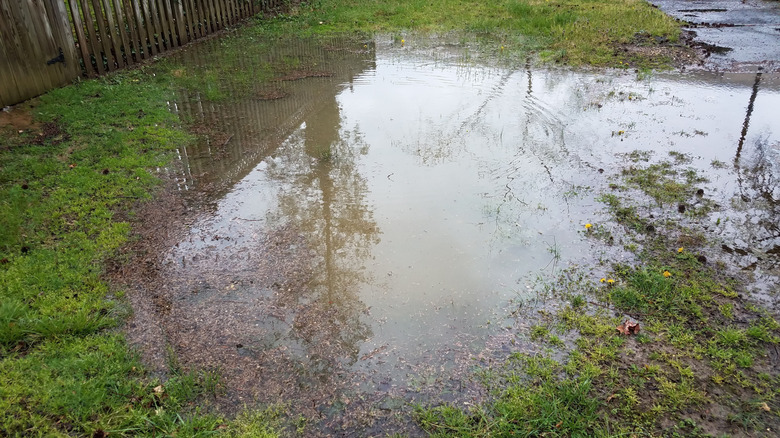
Ensuring your yard is properly graded is one major step towards creating proper drainage when a flood hits. However, there are other preventative strategies worth implementing. One simple fix is to make sure there is ample space between your home's exterior walls and any mulch or garden beds. This prevents water from building up next to your home — since one function of mulch is water retention — and helps the soil dry faster once floodwaters recede. Also, keep all ditches and culverts clear of debris and excess vegetation, so water can flow efficiently.
Once the storms have started, you can help direct rainwater or meltwater to those ditches by making sure downspouts are pointed in the right direction and by installing French drains in particularly slow-draining parts of your yard. It is also a good idea to install a functioning sump pump to expedite the removal of standing water, especially if you live in a flood-prone area. Since power failures often accompany heavy and enduring storms, a generator, battery backup, or battery-operated sump are all useful.
While getting as much water to drain off as quickly as possible is key, another way to help protect your home from heavy spring rains is actually to contain some of the excess water. Installing rain barrels is one way to do this, providing a usable, stored water source for your lawn and garden. Catchment and retention ponds are another approach for storing rainwater, especially on larger properties. You can also capture excess spring runoff and help prevent flooding by creating a rain garden.
Make sure your home is water tight before spring rains
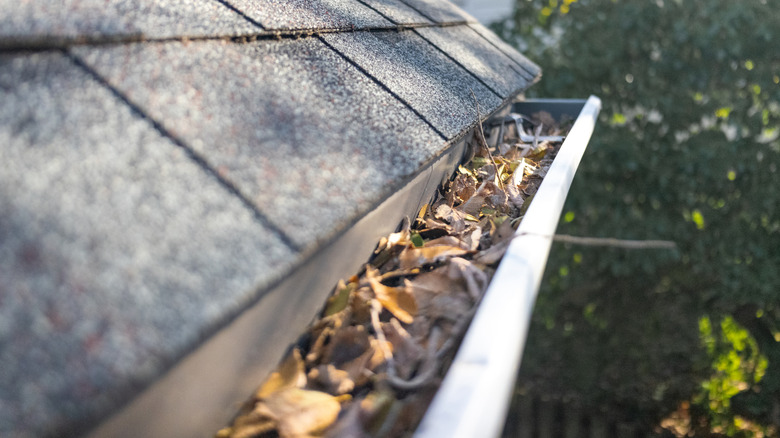
Before heavy spring rains begin, check spots around your home's exterior to make sure it is in good shape and able to handle downpours. One of the first things to do is clean your gutters and downspouts to make sure water can exit the roof quickly. This will prevent water from building up in the gutters and entering the house. While you're at it, check your roof for damaged areas or potential leaks, such as cracked shingles or worn seals around skylights or chimneys. Any issues you discover should be dealt with immediately, as these can be signs it's time to replace your roof.
From there, work your way down the house. If you had problem areas in the past, make sure any previous repairs are still in good shape. Seal any cracks or gaps around doors and windows with waterproof caulk. Ditto for any entry or exit holes for utility wiring and pipes. If you haven't done so already, apply a waterproof sealant to your foundation and basement walls. Installing sewer backflow valves on exterior pipes can prevent water backing up into your toilet, sinks, and showers. Finally, check that any outdoor fuel tanks, such as propane tanks, are anchored, and that outdoor electrical appliances are elevated at least 1 foot off the ground.