

The Popular Bird Feed Birds Actually Hate
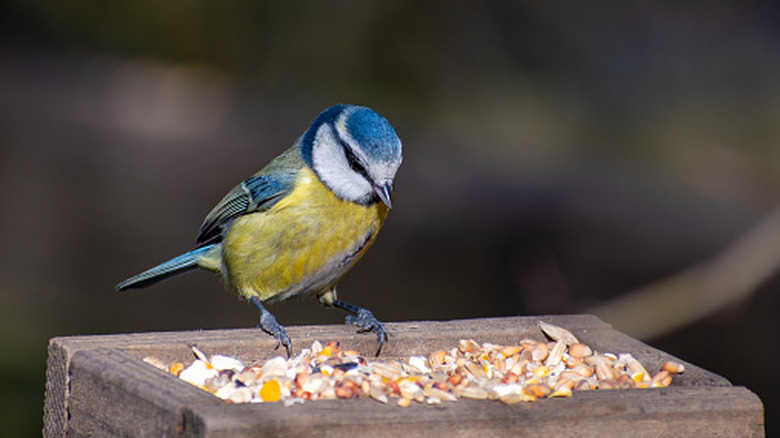
Providing something tasty to eat is one way to get birds to flock to your yard, but there's a bit more to the process. Much like humans, different birds have different tastes. Just because certain affordable bird seed blends are popular purchases doesn't mean they're popular with the birds — especially the ones you hope to see, like cardinals and orioles. Many budget seed blends contain seeds that most backyard birds don't care for at all, such as red or golden millet, red milo, and even oats, wheat, or buckwheat. The fact is, some bargain bird feed blends are nearly 75% filler. So, while the price per bag or per pound may seem like a good deal, in reality, most of that junk seed will go to waste as your hungry visitors let it drop to the ground.
The problem with filler seed, besides the wastefulness, is that all that discarded food below the feeder can attract unwanted guests. Failing to regularly clean up spilled feed is a bird feeder maintenance mistake that attracts pests to your yard. What's more, if birds aren't eating the seed sitting in your feeder, the mixture just sits there, and can get moldy. If you don't want to give yourself more work, skip any kind of bird feed or bird seed that's mostly filler material.
What to avoid and what to look for in bird feed
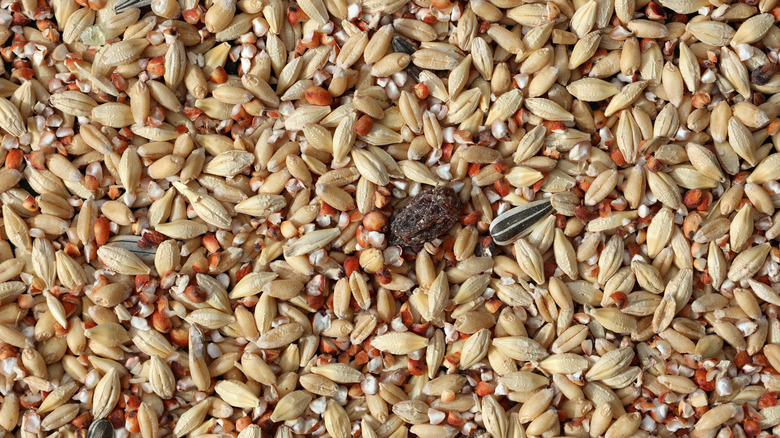
If you're buying birdseed or bird feed blend, read the package label to ensure the mix isn't high in the throwaway seeds such as milo, which almost no songbirds eat. Some mixtures include a lot of corn or wheat high up in the ingredients list, so you'll definitely want to avoid those for the same reason. Also avoid strange (and unnecessary) ingredients such as food coloring, flavoring, or dyes. None of these benefit wild birds. Of course, some of this is up to personal preference: While many songbirds (except cardinals) avoid white proso millet, small-beaked ground-feeding birds love it, as do quail and pheasant. However, you'll also likely attract house sparrows and blackbirds, both of which are considered pests by some.
In general, it's best to buy blends or single-seed mixtures containing high-quality seeds that are nutritious for the birds in your area. Cardinals love black oil sunflower seed, as do many other backyard birds, such as finches, woodpeckers, and nuthatches. These seeds are high in nutrients and fat, providing birds the fuel they need to fly and stay warm. Safflower seeds are another variety to serve on its own or in a quality blend. Many of the same birds that eat sunflower seeds will happily consume safflower seeds, though pickier species, like grackles, find safflower unappealing. In the end, it's worth doing the research on who visits your yard and what they're most likely to eat, saving you cleanup time and wasted money.