

How To Know If Your Plants Have Thrips And How To Get Rid Of Them
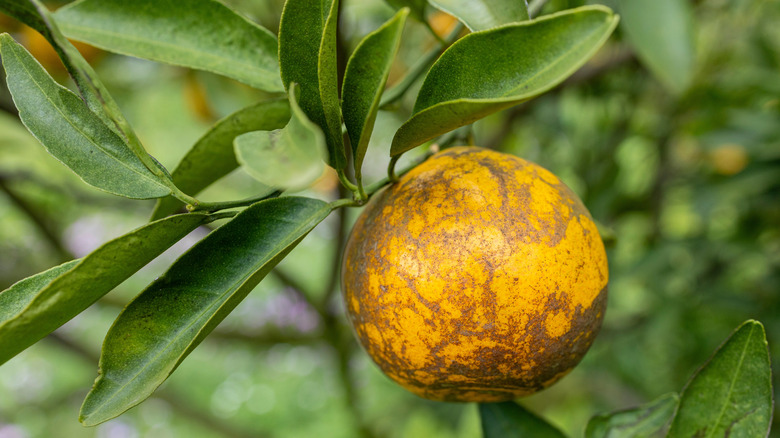
Plant diseases and insect infestations are a constant challenge for gardeners. Thrips are one such insect that can plague your indoor and outdoor plants by literally sucking the life out of them. These tiny, hard-to-see insects are needle-thin with cigar-shaped bodies. They have six legs and measure about 5 millimeters long (about the length of a grain of rice), but their damage is much larger. Unfortunately, in many cases, you'll notice the damage thrips cause before actually see these tiny creatures. If you notice curled leaves, or leaves or fruit with yellow and brown streaks or silvery areas where the tissue of the plant is eaten away, chances are you're dealing with a thrips infestation.
Thrips are typically found in groups. Although they have wings, they don't particularly like to fly except to escape stormy weather. They love a vast array of plants, from vegetable crops to fruit trees and flowers. Since they travel in groups, they can damage a wide swath of plants or crops, sometimes before they can even be detected. Roses are one such plant that thrips love to attack, so it's a good idea to avoid planting rose bushes near your fruit trees to help prevent ruining your fruit harvest. Because their damage is so devastating, regular monitoring and early detection is key to preventing a thrips infestation from getting out of control. If you're not sure thrips are present, a professional landscape company can be a big help in identifying a thrips problem — and can help you rectify it.
How to get rid of thrips and prevent future damage
There are many ways you can reduce an insect infestation, such as planting these 17 plants that repel pests from your garden naturally or making sure you add this daisy look-alike that helps repel pests from your garden. When it comes to thrips, there are some specific ways you can get rid of them and prevent them in the future.
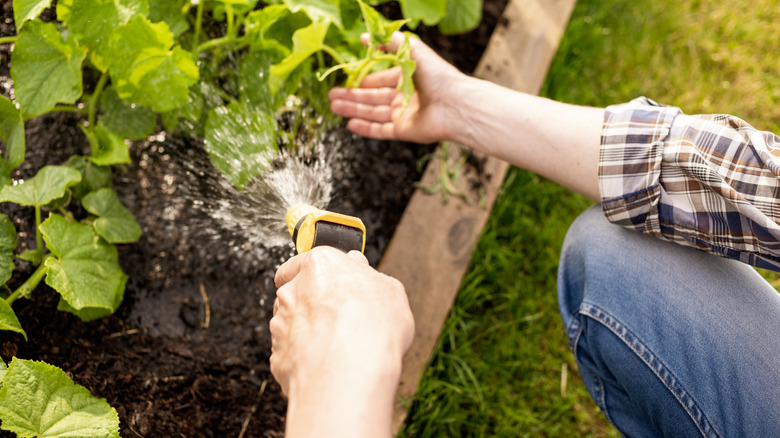
Once you have identified a thrips problem, pruning is a critical step. Remove all the infected branches, fruit, and leaves and dispose of them in a lawn trash bag. Unfortunately, if the infestation is really bad, you may have to remove the entire plant. Once you remove all infected plants and plant parts, spray your plants with a hose to help remove any thrips the pruning did not take care of. Concentrate on all parts of the plant, especially the bottom of the leaves where they love to hide. After hosing the plants off, spray the remaining parts of the plants with insecticidal soaps, and water. Make sure to spray the underside of the leaves as well, but follow the directions on the bottle carefully to avoid damaging the plants. Note that soaps won't remove hidden eggs. Diatomaceous earth is also an effective way to help get rid of thrips; sprinkle the powder on the plants and on the surrounding soil every seven days. Finally if you need to resort to an insecticide, aim for low-toxicity versions, and make sure it's safe for the specific plant, reapplying as needed.
Preventing thrips infestation in your garden
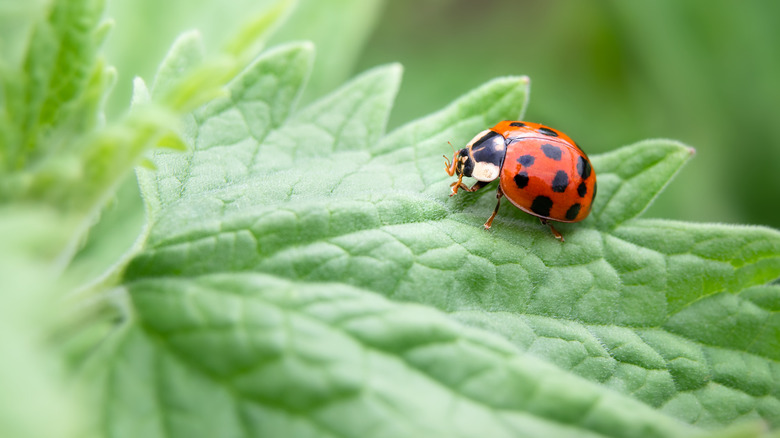
When it comes to thrips, prevention is the best strategy. Whenever you get new plants, inspect them carefully to make sure they do not have a pest problem. Some gardeners isolate the plants for a couple of weeks before planting them to make sure nothing crops up. Some natural enemies that feed on thrips include ladybugs, lacewings, and parasitic wasps. You can purchase ladybugs online and add them to your garden to help take care of a number of insect problems, and definitely think twice before killing any of these beneficial predators. Planting flowers and plants that attract these natural enemies is another option. A few choices that attract ladybugs (and other thrip predators) include zinnias and a host of herbs, such as dill, cilantro, and fennel. Alternatively, planting garlic and basil can help repel thrips.
A tidy garden is critical: Thrips will lay their eggs in weeds and other cover. Keep your garden area free of plant debris, pruned branches, and weeds, which are all popular hiding places. Doing your best to ensure your plants are as healthy as possible also helps prevent thrips from attacking. Proper sun, fertilization, and watering habits keep your plants nice and strong. Since thrips tend to seek out weak plants, having a strong garden is a nice deterrent. Regularly cleaning your plants by hosing them off is also an effective way to keep thrips at bay.