

Avoid These Common Car Camping Mistakes That Ruin Trips

The convenience of car camping doesn't mean it's the same as driving to a hotel in the woods. In general, ample planning and preparation before getting on the road will help you avoid most of the common mistakes like forgetting essential camping gear, arriving at your destination late, and not testing your gear or setup. A well-planned car camping trip anticipates unexpected detours, bad weather, and gear snafus, meaning you'll have more time to relax, hike, or have fun.
By giving yourself a lot of daylight on your departure day, you avoid rushing, navigating difficulties, and unpacking in the dark. Traffic, refueling, sightseeing, construction, and meals can all delay your arrival time. Getting to the campground late or in the dark can create campsite chaos, and makes it hard to find the right spot for your car, especially if you're in a first-come, first-serve free national forest campground. Calculate drive time by planning to stop every 1.5 to 2 hours, with each stop being about 10-15 minutes. If you're headed to a remote area, you may encounter unpaved, rough roads. Finally, with a loaded car, plan on the drive taking even longer.
Give yourself at least an hour of daylight to set up camp. You'll be allowing enough time to casually set everything up and get the lay of the land, without making careless mistakes when you're tired. Stressful drives and late arrivals can set you up for another common planning mistake: Forgetting to check the local forecast. Under-packing inclement-weather gear and setting up camp in the dark during unfriendly weather is a surefire way to ruin an outing.
Check everything on your packing list
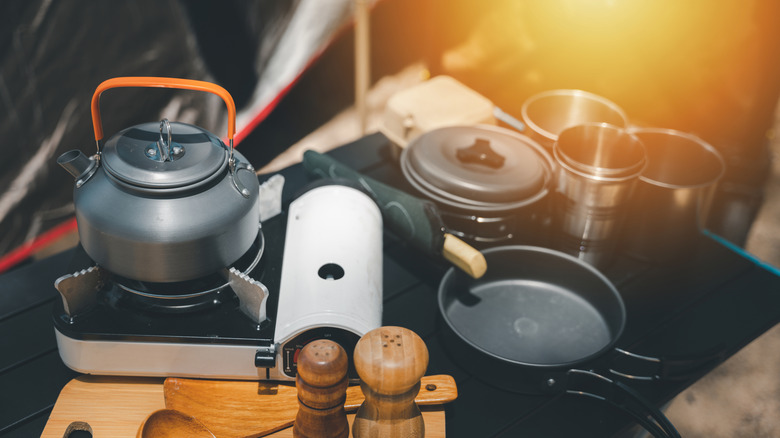
Packing the right working camping gear might sound obvious, but it's an all-too-common mistake to not give your list the once-over before stuffing everything into your car. It's not just about packing the essentials you need in case of emergency or making sure everyone has enough rain jackets; everything need to function. Waterproof fabrics and insulating materials wear out over time and should be tested before you trust your life with them. Battery-powered gear — such as lighting, speakers, and safety communication devices — may need to be replaced; otherwise, they are useless in the wild.
Before you leave, test for leaks in everything from air mattresses to truck tents; make sure fuel, light, and power supplies work and are topped off; and make sure everyone and everything fits. Also, it never hurts to double-check window shades, bug screens, camp stoves, water containers, folding chairs, and tables. Create a checklist, and spend an hour testing your equipment and setup in the driveway or backyard. Your packing will be more organized, you'll know what's missing or can be ditched, and you'll be ready for a relaxing, cozy car camping experience.