

3 Car Camping Essentials You'll Always Wish You Doubled Up On
We may receive a commission on purchases made from links.
Packing for a car camping trip can feel like packing your entire house to make sure everyone is warm and comfortable. When food and shelter hog the focus of many campers' packing lists, it's common for certain camping items to be forgotten or under-packed. Some of these items, like batteries, firewood, and water are crucial, and you'd actually do better to overpack these categories. Doubling down on these essentials can be the difference between feeling like you're roughing it or glamping. Having enough water, for example, isn't just about staying hydrated: Having plenty of water also keeps your camp clean and hygienic with enough leftover for hot cocoa.
A general rule of thumb is to bring two gallons of water per person per day. This number is a good starting point, but we recommend adding extra for unexpected messes, spills, hot weather, and sweaty adventures. Active hikers and adventurers should pack more water to make up for the extra exertion. Also, camping at elevations above 8,000 ft can increase potential for dehydration as your body adapts to the elevation. In these cases, it's best to add one-to-two liters per person per day to your total calculation. Sturdy water jugs with a spigot like the 7-gallon Reliance Products Aqua-Tainer make it much more convenient to top off water bottles, wash hands, and fill pots and basins for cooking and cleaning.
Pack enough firewood for all the occasions
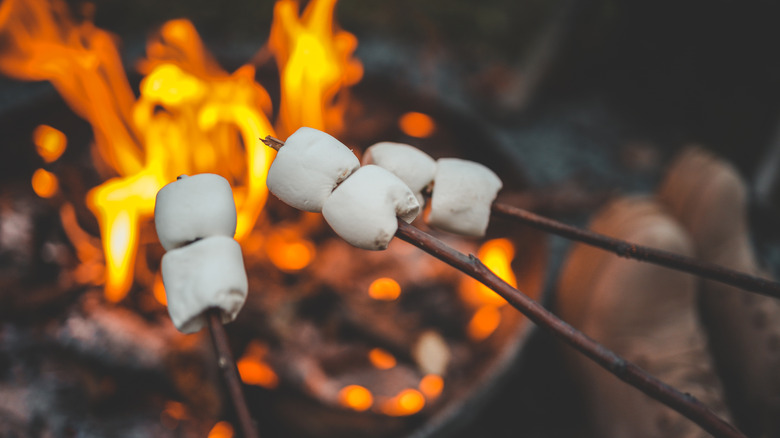
Firewood and fire starters are another essential campers almost always wish they'd packed more of. Campfires are the centerpiece of many campsites as both a cooking method and as a source of light, warmth, and entertainment. Plus, it's literally human nature to keep a fire stoked. Bringing double servings of firewood, extra tinder, and more than one lighter or lighting method ensures the heart of your campsite doesn't die down. Typical campfires burn about one bundle an hour (roughly 6-7 logs or one cubic foot), or 2-5 bundles a day. Blocking the wind, keeping fires small and flames low, and burning one or two logs at a time all help stretch your firewood supply.
Bear in mind that there are campfire rules, restrictions, and bans you don't want to overlook. Transporting firewood long distances can spread diseases and pests that destroy healthy forests. A general rule of thumb is to harvest or purchase firewood within 10 miles or less of where you will be burning it, or buy certified, heat-treated firewood when you can. The firewood map by dontmovefirewood.org provides detailed links on regulations and disease risks in states and provinces throughout North America. But in general, "buy it where you burn it," is a responsible mantra.
There are other reasons you may need to think twice before bring your own firewood from home. Many parks and campgrounds prohibit gathering fallen brush or limbs near campsites because it removes habitat for plants and animals and disrupts the natural ecosystem. Most National Parks prohibit bringing in non-heat-treated wood from outside sources. Finally, before loading up firewood in your car, check local land management agencies for current fire restrictions, fire danger ratings, and to procure firewood permits and locate appropriate harvesting areas.
Why extra batteries make all the difference
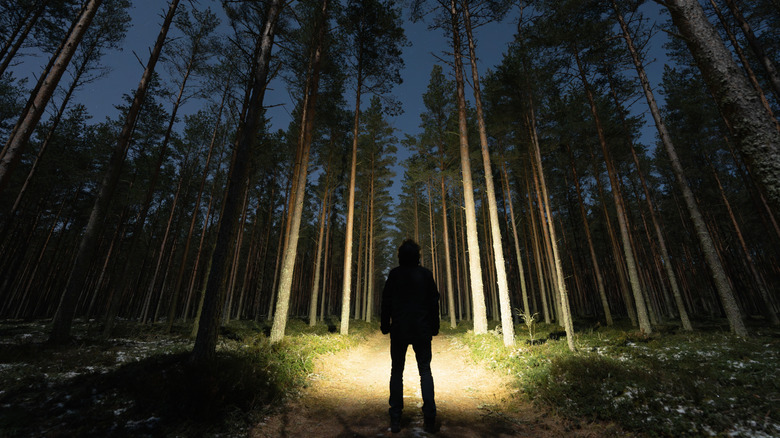
Batteries or power banks are one of those items that sometimes don't even make it on packing lists at all. Not only should you bring batteries, it's worth doubling up on them when car camping, since it can be hard to gauge how much juice mobile devices and lighting will take. Headlamps and flashlights become irresistible toys for kids or get left on accidentally while stuffed in a pack. Campsite lighting is an underrated creature comfort that levels up the ambiance, makes cooking outside easier, and helps avoid stubbed toes in a dark campsite. Meanwhile cell phones, GPS locators, and satellite communication devices are critical tools for recreating in remote areas, in the event of injury to yourself or damage to your car. Altogether, keeping these items powered up doesn't just enhance the camping experience, it keeps you safe.
Battery life varies dramatically based on usage, settings, temperature, and age of any given device. Even fully charged devices have a wide range of burn times, like Harbor Freight's waterproof lantern, with a single-charge life anywhere from 6 to 50 hours, depending on the settings you choose. Where and when you camp also affects battery life: Cold weather can zap batteries or trigger safety functions to turn off until temperatures rise to a reduce internal damage. Alkaline batteries are the first to get hit by the cold, with rechargeable lithium ions holding up better. Keep handheld devices close to your body or in insulated spots to keep them functioning and prolong charges.
While you can charge many devices from your car, idling a vehicle detracts from your campsite's peace and calm, and it's bad for the environment. Instead, make sure you have extras of each of the various battery types you'll need, along with charging banks and appropriate cords and adapters.