

Reconsider Planting This Fruit To Help Keep Mice Out Of Your Garden
We may receive a commission on purchases made from links.
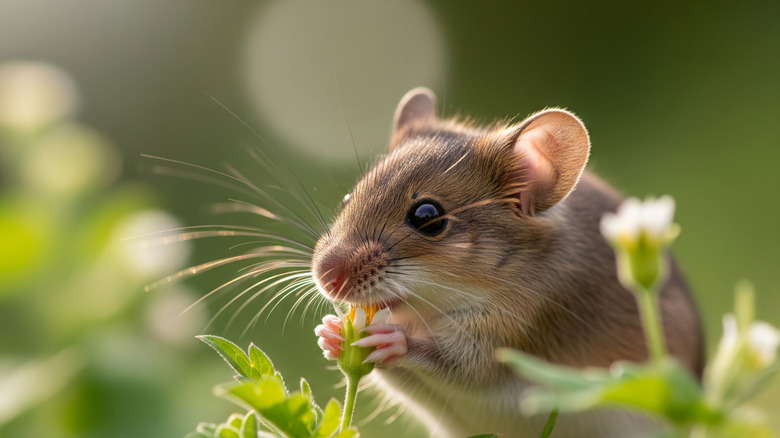
It's an all-too-common garden grumble: You reach for a perfectly ripe strawberry, and ick! It's been nibbled! You're holding mouse leftovers. The reasons mice are drawn to strawberries are mostly same reasons humans have: They smell delicious, are attractively colored, are nutrient-dense, sugary, and have a high moisture content. In particular, a ripe strawberry's fragrance is sensory overload for mice. They have more than a thousand olfactory receptors (compared with a human's 350) and you can bet they can't help but zero in on the irresistible aroma of a ripe strawberry. It's good motivation to harvest attractants like strawberries regularly, and quickly remove fallen or overripe fruits and veggies so rodents stop treating your garden like the grocery store. But mice do not visit your strawberry patch on smell alone.
The cover and protection of dense strawberry leaves also invite mice to your garden, protecting them from predators. The setting makes a perfect environment to chow down undisturbed. Furthermore, you might accidentally be creating ideal mouse breeding grounds by following one of the top tricks for growing strawberries: Mulching. Adding a layer of mulch around strawberries is standard, but without deterrents, it can be like laying down a 5-star hotel for these freeloaders. In general it's best to wait until winter to mulch strawberries. Try and keep it under about three inches thick as well. Both tactics limit creating nesting materials for mice during fruiting season.
Why mice are drawn to your strawberry plants
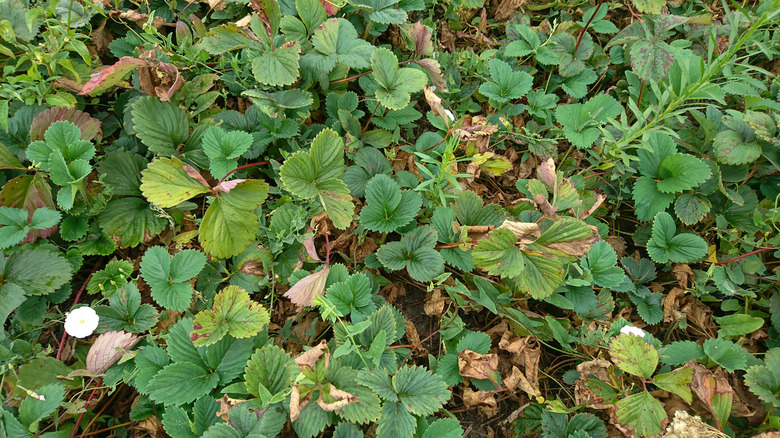
Another reason strawberries attract mice is that the tiny vermin prefer sleeping near where they eat. Generally, they won't venture more than 10-25 feet from the nest. Mice make their nests in quiet, concealed areas with nearby food and materials, all of which strawberries readily provide. The plants have natural cycles where leaves die off in winter dormancy, after fruiting, and as the plant ages. These dead leaves and stems pile under new green growth, and the result is a great nesting site, plenty of building material, and a free meal come spring or summer.
Strawberries also provide cover as mice travel from the nest to forage or mate. Strawberries grow to about 10-14 inches and the green upper story, runners, and layers of decaying leaves all provide safe passage. Mice avoid exposure to the open sky because one of their most common predators are birds of prey like eagles, hawks, falcons, and owls. Because mice are nocturnal, it's not a bad idea to find ways to attract owls to your yard if you're going to grow strawberries. Of course, all those mice might be one of the things attracting snakes to your yard, so you'll want to consider which predators you'd like hanging about.
Before giving up on strawberries altogether, a few tricks can help you grow strawberries without unduly attracting mice. You can sprinkle natural essential oils that deter mice around your garden beds or add companion plants like garlic or basil, countering the berry's attractive aroma. Try enclosing beds with rodent-rated fencing, using something like Bird B Gone copper wire mesh. To make the dense cover of strawberry plants less attractive or accessible, consider growing vertically, in pots or bags , or in raised beds over 13 inches tall.