

Sow This Plant Around The Last Frost To Support Hummingbirds & Butterflies This Spring
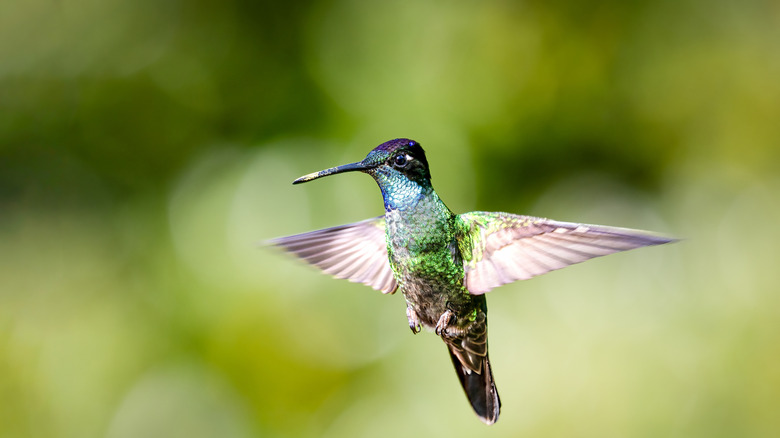
If you want to DIY a hummingbird haven while also supporting native and migrating butterfly species, we have great news. Many of the plants you can grow to attract butterflies also appeal to hummingbirds, and there's one you can start planting in late winter or early spring to start your year off right. Milkweed (Asclepias spp.) is commonly planted as a host flower for monarch butterflies, but monarchs aren't the only pollinator that loves this gorgeous flower. Many hummingbird species, including ruby-throated hummingbirds, also enjoy the nectar-rich flowers of certain milkweed species. In particular, they like those of showy milkweed (Asclepias speciosa), swamp milkweed (Asclepias incarnata), and butterfly milkweed or butterflyweed (Asclepias tuberosa), all of which are native milkweed species.
You can plant milkweed seeds directly in your garden in early spring following the last frost of the year, but most native milkweed species germinate better following cold stratification. Wrap them in damp paper towels, place them in a sealed bag, and refrigerate for a few weeks to about a month-and-a-half. Afterwards, plant them in warm soil, either in pots or in your garden. If you start the process a few weeks before the last frost date, your milkweed seeds will be ready to plant right as the soil is warming up for spring! You can also start them indoors, transplanting them into your garden once they are a few inches tall and have at least four leaves. Milkweed hardiness zones vary by species, but showy milkweed, swamp milkweed, and butterfly milkweed can all be grown in zones 3 through 9, or most of the continental U.S.
Caring for milkweed plants
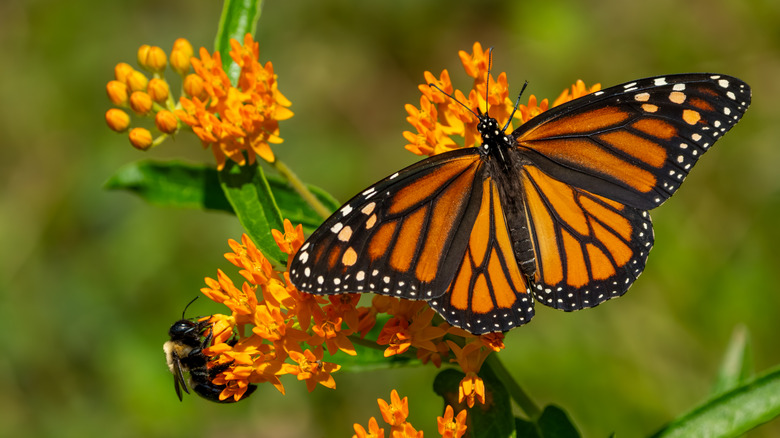
Whether you're direct sowing milkweed seeds in your garden or transplanting them as seedlings, be sure your plants are growing in full sun. Water them regularly while they're growing to promote lush, healthy growth. Like many other native wildflowers, these milkweed plants don't require much care once established. They're highly adaptable, drought tolerant, and able to survive in a wide range of soil types, although most milkweeds do better in well-draining soil. Swamp milkweed, true to its name, does tolerate wet soil better than most other milkweeds. For hummingbirds, the attraction lies in the flowers: Showy milkweed blooms in late spring and throughout the summer; swamp milkweed flowers appear in summer and fall; and butterfly milkweed in spring and summer.
One regular garden task you should skip entirely when growing milkweed is applying pesticides. If you're concerned about pests, you can try growing plants that naturally repel pests instead. Keep in mind that if you're trying to attract butterflies, you want to see some caterpillars! Caterpillars eat leaves, so you will find bite marks on your milkweed. It might look unpleasant, but it's just part of nature. Any chemical you spray on your milkweeds impact the caterpillars, butterflies, and potentially even the hummingbirds. Luckily, you won't need to worry much about rabbits or deer, as the milkweed sap is toxic to them.
Most milkweed species grow quickly and are perennials, but they don't always bloom in the first year. The good news is the plant doesn't need to be flowering to attract monarchs, since the leaves host the eggs and caterpillars. Plant your milkweed around the last frost for monarchs this year, with a diverse array of butterflies and hummingbirds in the years to come!