

Do You Need A Permit To Build A Shed In Your Yard? Here's What You Must Know
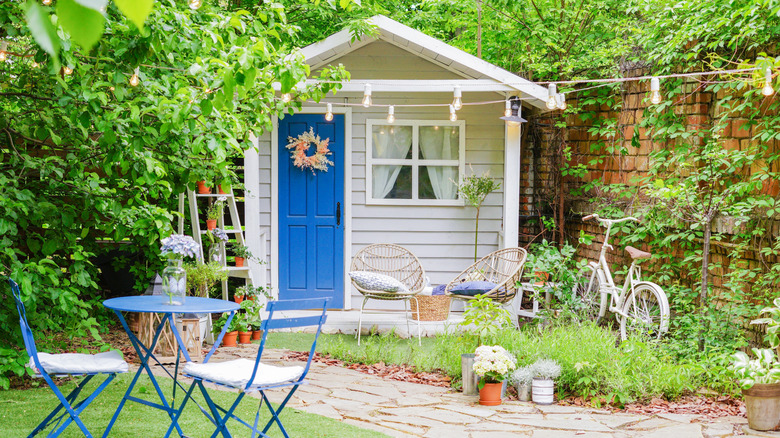
Sheds are a great way to store all your yard and garden tools and supplies, but if you don't already have one then you have two main options. You can buy pre-made, highly-rated sheds from Walmart and other stores, or you can build your own. If you've already decided to DIY, chosen durable wood to build with, and planned your project, you may be left with one last question. Do you need a permit to build a shed?
The short answer is that it depends on where you live, how large you want your shed to be, and what features you want it to have. There is no overarching federal law, so it's up to individual states, counties, cities, and even HOAs to decide what permits and permissions are needed. The easiest way to know for sure what is needed for your specific project is to contact your local government. City officials should be able to answer all your questions to ensure that everything is good to go. If you live in an HOA, look through the rules or contact the people in charge to make sure there aren't additional limitations. Even if you don't need a permit, there may be zoning limits on the size and placement of your shed. If you do need a permit, you can apply for one by providing a thorough plan for your project to your city or county. To ensure the process goes smoothly, read the permit requirements for your area carefully before starting.
When are you more likely to need a permit?
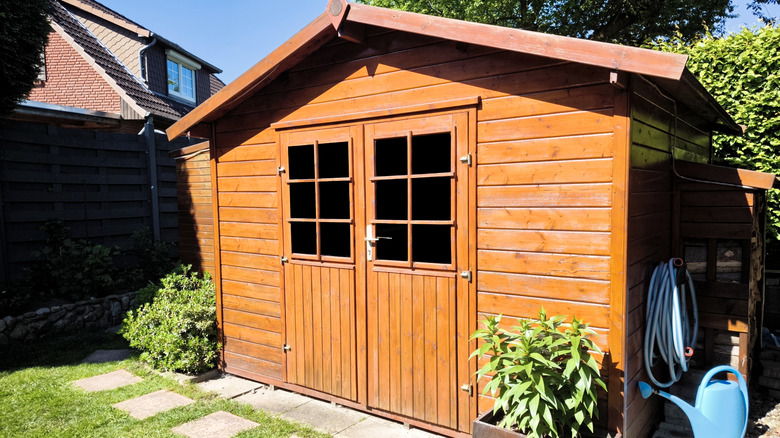
Larger sheds are more likely to need a permit than smaller ones, although how each city defines large or small can vary. Even small sheds require a permit in some areas, so it's important to check regardless. If only sheds of a certain size need permits where you live, be sure to measure your shed carefully to ensure you're following the law. An extra foot of space may not seem like a big deal, but government inspectors take it seriously and you can face consequences.
You're also more likely to need a permit if you want your shed to have utilities such as electricity or water. Adding these features is more complicated and there's a higher risk associated with them, so naturally the officials want to ensure the work is being done safely and responsibly. Similarly, you'll probably need a permit if the shed will be used for something other than storage. For example, if someone will be living or working in the shed, permanently or temporarily, a permit is needed to ensure the structure is safe. Hiring a team of professionals can be helpful for more complicated jobs such as these, and many contractors will take care of getting the permits for the project as well. However, it is still your responsibility as the homeowner to make sure that permits have been obtained, either by you or the contractors.
What happens if you don't have a permit?
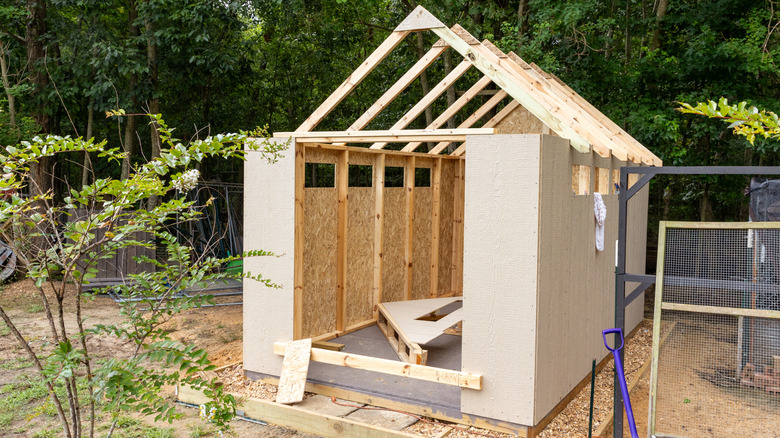
If the shed has already been built and you didn't know you needed a permit until right now, don't panic. You can typically apply for a retroactive permit, although there are unique challenges that can come with this. If you apply for a permit before beginning your project, any issues that would prevent it from being up to code will come to light before you start working on it. If the shed is already built, any code violations will need to be redone or fixed. Some cities may not have a specific application for retroactive permits. In these cases, you should still contact the city and work with them to remedy the situation.
Getting a retroactive permit can be hard work, but it's still worth it. If your shed needs a permit and doesn't have one, you could face serious fines. Depending on where you live, you could be fined hundreds or even thousands of dollars, and you may continue to receive new fines if you don't fix the problem. It is often more difficult to insure work that was done without a permit. For example, if your neighbor's tree falls on your yard and hits your shed, your insurance claim may be denied. Selling your home may also be harder, as any buyer would need to either accept the risks associated with having unpermitted work on their property or go through the process of getting a retroactive permit themselves.