

How To Determine The Best Type Of Grout To Use On Your Pool Tiles
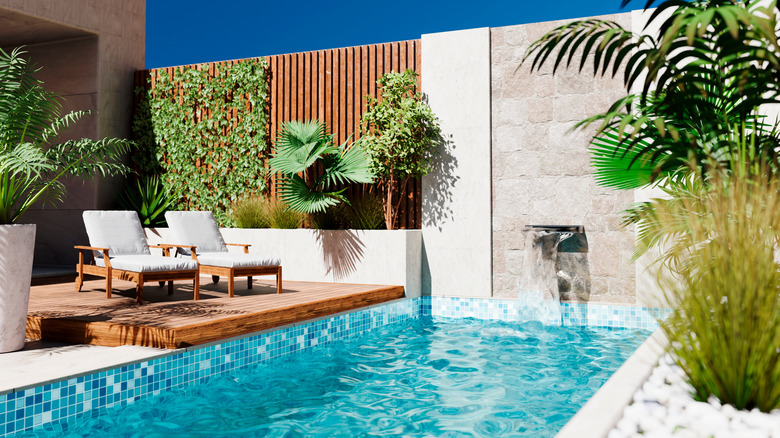
If you're planning to add a pool to your yard, then you'll need to consider details like tiles and grout. Grout is essentially the glue that holds your pool tiles together and protects the inner walls. Much like the grout you may see in your kitchen or bathroom, it seals off any open spaces between the tiles lining your pool. This also prevents sharp edges from becoming a hazard and keeps your tiles securely in place for a seamless, visually appealing finish. However, when it comes to grouting your pool tiles, there are a variety of materials, including two common choices: cement and epoxy.
Both cement and epoxy can be viable choices for grouting pool tile, but they aren't the same. They differ in durability, installation time, and overall appearance. The two also vary in terms of price, meaning your choice can also impact the total cost of installing an inground pool in your yard. When deciding which grout is best for your pool tiles, you're going to want to consider your priorities, your budget, and how the pool will be used and maintained. Before you dive into the important decision of choosing the right grout for you, you'll want to learn the pros and cons of each option.
Deciding between cement vs epoxy pool tile grout
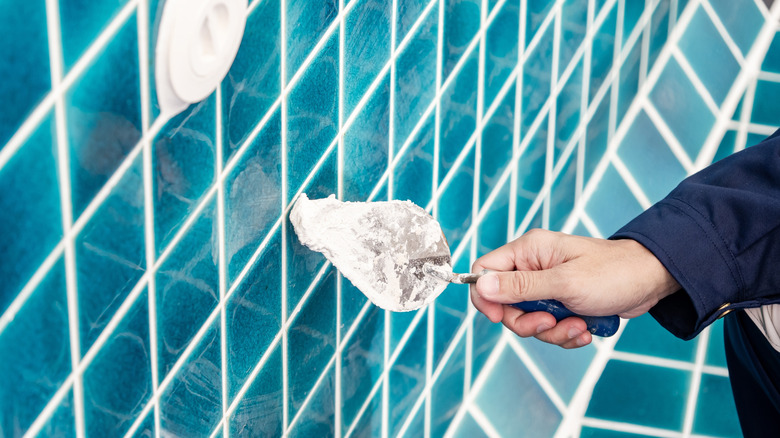
Cement and epoxy both offer a variety of benefits for the homeowner looking to grout their pool tiles. However, no option is perfect, and each comes with potential drawbacks to consider. You can even consult a pool professional for more information about your specific situation, helping you make the most of this upgrade that can potentially add value to your home.
Cement is a classic pool tile grout option, having sealed off beautiful underwater mosaics for decades. If you're looking for an affordable option that doesn't sacrifice durability or appearance, cement is a strong contender. You can customize cement grout by adding coloring, and it can last several years with the proper care and maintenance. However, when it comes to installation time, you could be looking at days or weeks before the cement sets. Cement also deteriorates over time when exposed to chemicals, water (cement is porous), and the elements, which could lead to more frequent repair or replacement in order to prevent leaks.
Epoxy, on the other hand, is completely waterproof and UV-resistant, making it well suited to withstand pool conditions. If you have glass tiles and you're worried about cracking, epoxy sports the flexibility to keep tiles in place while giving them the freedom needed to expand and contract with the temperature.
While cement can take up to two weeks to set, epoxy will be ready within just a few hours. However, that doesn't mean it's a perfect solution. Because of its short setting time, using epoxy as pool grout may result in more, and more concentrated, labor. It also has more restrictive temperature requirements while setting. The added labor, plus the cost of the epoxy grout itself, can lend itself to a hefty price tag.