

A DIY Squirrel Repellent That'll Keep Them From Destroying Your Outdoor Space
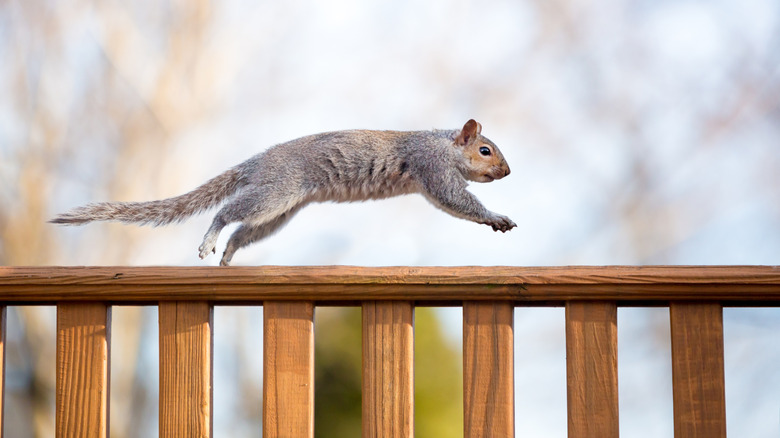
There are a few reasons you may want to keep squirrels out of your yard. They like to dig up flower bulbs and vegetable gardens, eat what you've planted, and bury food for later. They leave holes all over the place where they've dug up food they've hidden. If you have bird feeders, you've probably had to fight them to keep the bird seed for your feathered friends. But worst of all, they have a knack for chewing up wooden (and other materials) decks and furniture. It's because they need to keep their ever-growing teeth filed down. They don't care if it's damaging your yard decor. Luckily, you can do something to keep them away by way of a DIY repellent.
The trick is to use the ingredient found in hot peppers — capsaicin. It's what gives spicy food its heat, and squirrels aren't going to want to get a mouthful of it. Meanwhile, birds aren't affected by it, so some DIY enthusiast homeowners suggest putting it in a spray and applying it to bird feeders, garden furniture, and any surfaces that squirrels like to nibble. However, there's some controversy around this deterrent method, so make sure you know all the facts before trying it out yourself.
How to use capsaicin against squirrels
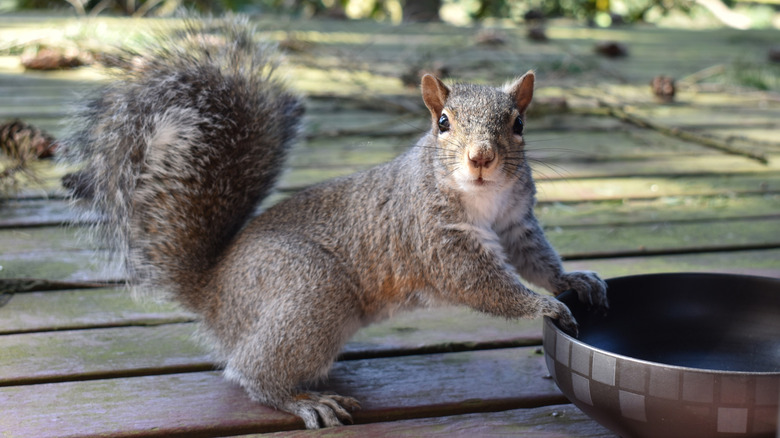
While you can sprinkle cayenne pepper around your garden to keep squirrels from digging up your plants, to use this hack on your furniture, you'll want to create a spray. While you can find a plethora of mixtures to make online, we liked the simplicity of one YouTuber GreenTGarden's spray that only required some cayenne powder, water, dish soap, and a spray bottle. You may want to use gloves and safety goggles to protect your eyes from burns from the cayenne pepper. Begin by adding approximately 2 tablespoons of pepper to 1 gallon of water, stirring until the pepper is well dissolved and the water is orange. You can add a couple of drops of dish soap, which will help the spray stick to your patio and furniture. Then, cover your dish and let it sit overnight so that the pepper can fully integrate into the water.
Before pouring your mixture into a spray bottle, consider using cheesecloth to strain it. This will prevent the bottle from clogging with spices that may not have fully dissolved in the water. If you're using the spray on your porch or furniture, you can spray at any time of the day. If you're trying to keep squirrels and other pests from digging in your garden or eating your plants, you'll want to use the spray later in the day when the sun is less likely to cook the water you sprayed. You can reapply the spray every couple of days as needed.
A few reasons why this squirrel repellent may not be right for you
This deterrent has more than a few problems with it. First of all, some people might think it's inhumane to essentially pepper-spray a squirrel, albeit indirectly. A squirrel that puts its paws on some capsaicin and then rubs its eyes will feel the same discomfort that any human would. While it won't permanently harm squirrels or other pests and is considered a humane way to banish critters, it does temporarily irritate their eyes and noses. Alternative repellents are available that deter squirrels from your property without causing them significant discomfort.
Furthermore, squirrels are not the only animals affected by this — if you have household pets that spend time on the porch or other places you're using capsaicin, it can be an irritant to them as well. In dogs, it can cause an upset stomach, breathing issues, and other health problems. Some people who've tried this hack reported on Reddit that it doesn't work and that some squirrels are either unfazed by the spiciness or develop a taste for it.
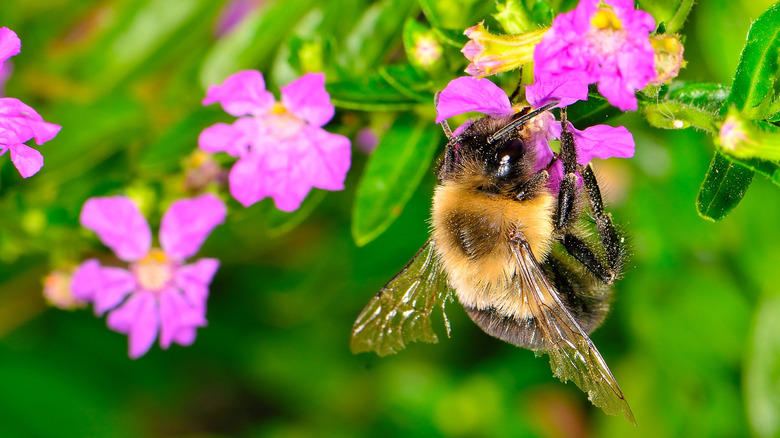
Another reason you may choose to avoid using cayenne to keep pests away is that, while birds and fish won't be affected by it, capsaicin is toxic to beneficial insects, according to research from the University of Connecticut Home and Garden Education Center. Bees, moths, and butterflies are crucial for pollinating plants and gardening, making their destruction detrimental. You definitely want to keep bees in your yard. If you're only using this spray on your patio furniture, you may be okay, but using it in the garden and directly on plants could do more harm to your home's ecosystem than good.