

Protect Your Roof From Hail Damage With These Must-Know Tips
We may receive a commission on purchases made from links.
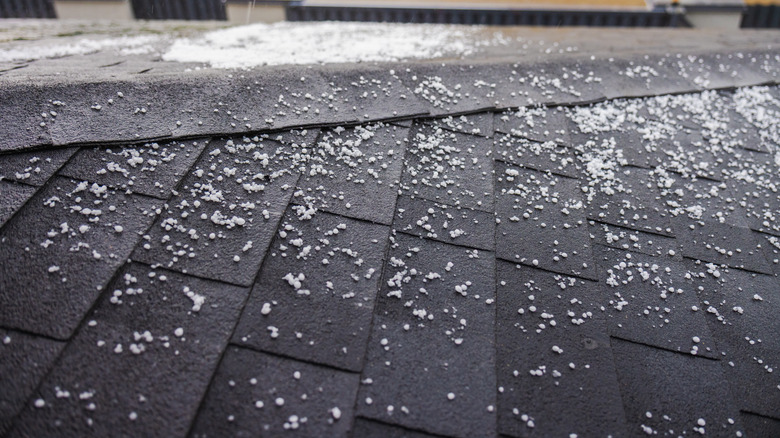
Hail is among the most damaging types of weather phenomena across much of the United States, particularly in the center third of the country. This frozen precipitation forms at high altitudes before it comes hurtling down towards the Earth's surface. Given hail stones can range from about pea-sized to about the size of a grapefruit, it is little wonder that these speeding projectiles often cause severe damage to whatever they impact, including your home's roof. Roof damage from hail can include bruised, cracked, or otherwise damaged shingles, as well as damage to roof structure and accessories, such as flashing, vents, and gutters.
The best way to protect your roof from hail damage is to install roofing materials with a UL Class 4 impact rating. You can find a variety of shingles, synthetic tiles, and metal paneling with this rating. While materials with this rating offer you the best protection for your roof, they also come with a cost. This is the primary reason many homeowners, including some in areas prone to hailstorms, are often reluctant to install them. The fact most roof shingles are meant to last 20 to 30 years can also give homeowners pause when it comes to peeling off an otherwise good roof to replace it with hail resistant materials.
While installing such materials can be costly, given that a hail-damaged roof can lead to expensive repairs due water leaking into your home, the cost can be worth it. This is particularly true if you live in an area that is particularly prone to hailstorms, such as the Great Plains Region. or Colorado's so-called Hail Alley. If you have noticed signs it's time to replace your roof shingles, then now would be the perfect time to install a hail-resistant roof.
Protect all parts of your roof from hail
If the cost of a hail-resistant roof is a bit out of the budget, another option is to install a roof covering over your existing roof. This is essentially a relatively thin membrane which distributes a hail stone's impact over a greater area, reducing the risk of damage. You can also reinforce areas of your roof such as eaves, overhangs, and edges to help minimize hail damage. This can be done with extra brackets and fasteners, as well as adding impact resistant flashing and other materials.
Whether you have a hail-resistant roof or not, another key to minimizing hail damage is to make sure your roof is well maintained. That means regularly checking on its condition, replacing missing shingles, and repairing any damaged areas. It also means regularly cleaning your gutters and ensuring they are securely fastened. Additionally, you should routinely trim your trees each year, especially any overhanging limbs. High winds associated with hailstorms as well as the pummeling from large hail can cause limbs to break and fall on your roof, causing additional damage.
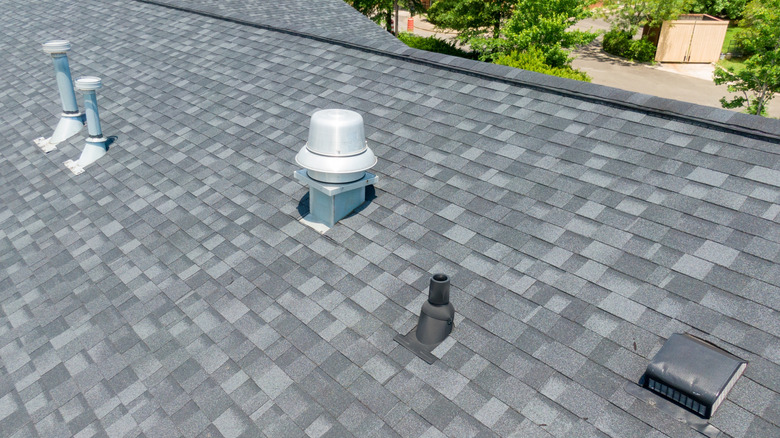
Furthermore, it's a good idea to replace other roof components with impact-resistant versions as well. This includes vents, skylight, and gutters. Hail-resistant components, like the Snowventco upper roof exhaust vent are relatively inexpensive and quick to install. If your current skylights aren't made from impact resistant material, the best bet is to replace them. If that's too costly or timely, cover them with a protective mesh screen or grille. Gutter guards can help protect gutters from hail damage as well, regardless of whether they are made from impact resistant material or not.