

Support Birds In Your Yard All Winter Long With A Beautiful Ornamental Grass
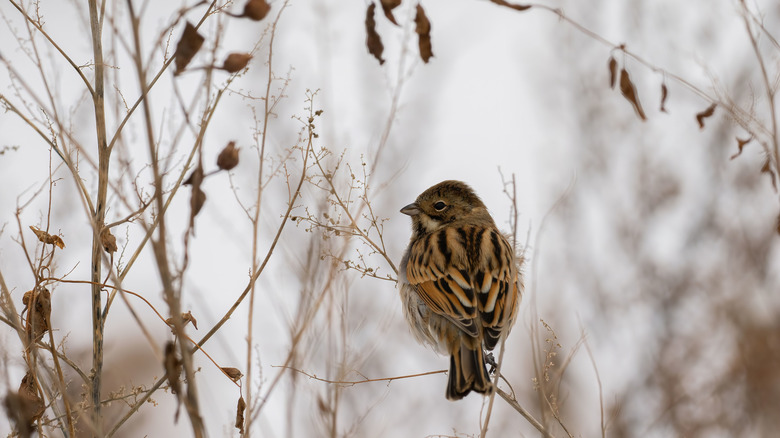
Before the winter, you can keep birds coming to your yard by building a roosting box, but they still need to eat while they're there. Native plants are one of the best ways to support local birds, since these are food sources they'll naturally seek out. Berry plants get a lot of attention when talking about what to plant, but they aren't the only option. Plenty of birds also appreciate seeds like the ones provided by the native ornamental grass species Indiangrass (Sorghastrum nutans), sometimes also called wood grass.
There is a variety of benefits to planting ornamental grasses like Indiangrass, including that birds love to snack on their seeds and will shelter in the grass. As an added bonus, the plant itself can be quite pretty, particularly in late summer through fall when it grows a fluffy-looking yellowish seedhead. Clumps of ornamental grass can make great accent points for your yard or garden, and they can also be included in pollinator or wildlife gardens. Indiangrass, being primarily native to the plains and prairies of the U.S., grows particularly well with other prairie wildflowers like butterflyweed (Asclepias tuberosa), stiff tickseed (Coreopsis palmata), Indian blanket (Gaillardia pulchella), and beebalm/wild bergamot (Monarda fistulosa).
Planting and caring for Indiangrass
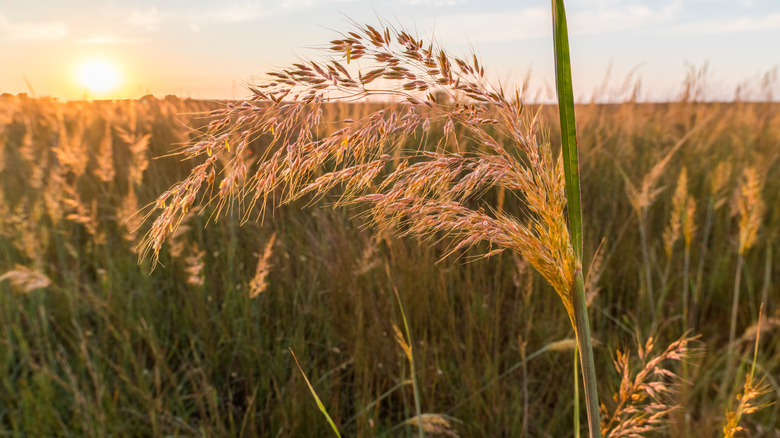
Indiangrass is fairly easy to grow, and it's surprisingly hardy for such a delicate looking plant. It can be grown from zone 9 to as far north as zone 3, making it a good choice for gardeners in colder climates who may struggle to grow plants through winter. It thrives in full sun but is otherwise not terribly picky about where it is planted. Indiangrass does very well in poor to average (even rocky) soil: Overly rich soil can sometimes cause the stems to droop. All you need to do to get this plant started is to scatter some seeds over an empty section of your garden in late winter to early spring.
Once established, Indiangrass is remarkably drought tolerant and adaptable, so you don't need to worry about it too much. Water it during droughts or whenever you're watering the surrounding plants and it will likely be just fine. Indiangrass grows quickly, and it will spread by reseeding. If you want to limit its spread, you can prune your ornamental grass in fall by cutting it down to a few inches above the ground before the seeds have a chance to develop. This does mean fewer seeds for your local birds to eat, as well as less standing shelter for them to use, so if the goal is aiding overwintering birds, cut in early spring after the last frost. You can still help your local, winter-hardy birds out by leaving the cut stems on the ground for them to use in next-year's nests.