

How To Choose The Best Size Pruning Shears For Your Outdoor Project
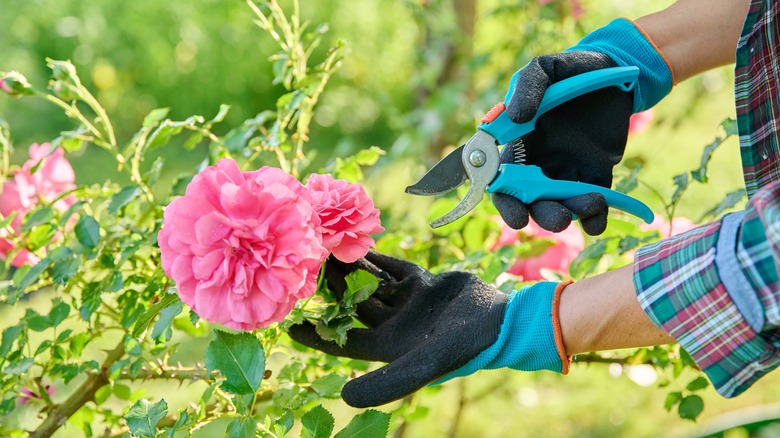
Pruning shears are one of the most popular yard tools a gardener can have. Whether you are experienced or just a beginner, they're one of the absolutely necessary tools to keep in your shed or garage. There are many different styles and sizes of pruning shears available, and most gardeners have a few different types. First, it's important to get the right size pruning shears for your hands so that you avoid hand strain and are comfortable using them. Additionally, the right size and type of pruning shears depends on the outdoor project or task you have in mind; you obviously want to be sure they're large enough for the job, especially if you are cutting larger branches.
There are two main types of pruning shears: anvil and bypass. Anvil pruning shears are said to resemble a hammer striking an anvil; they have a sharp blade that comes down onto a blunt, flat surface that creates a crushing action when it is cutting. This type of pruner is good for cutting dead branches that are thicker in diameter and for removing a lot of branches from shrubs and bushes.
Bypass pruning shears are more common; they have two blades that are curved and move past each other like scissors. These are generally easier to use and can deliver very precise, clean cuts. Bypass pruners are the ideal style for cutting live plants and for pruning tasks involving delicate plants and flowers. You can keep your shears in excellent shape by using diamond files to keep them sharpened and using simple household Clorox wipes to keep them and other garden tools disinfected.
Use your hand to determine the right size of pruning shears

When choosing the right size and type of pruning shears for your projects, consider the thickness of the branches you are cutting, how often you will need to use the pruning shears, what type of plants, shrubs, or trees you are cutting, and what kind of precision you need for your cuts. One way to cover all the bases is to get both anvil and bypass pruning shears so that you have easy access to both types if you need them. If you are trimming smaller stems and twigs, pointed-nose pruners are also a good investment, as they allow you to get very close to the stem of the plant. Other features can make pruners more comfortable to use, including non-slip grips and cushioned handles.
To get the right size pruners for your own comfort, measure your hand across the palm at the base of your fingers. Then measure the height of your hand from the middle of the base of your palm to the tip of your middle finger. As a rule, it is recommended for those with hands less than 3 ½ inches wide and 6 ¼ inches high to get a ½ inch pruner. Hands measuring 3 ½ to 4 inches across and 6 ½ to 8 inches high can handle ¾ inch pruners and anything larger than that can handle 1 inch pruners. You also want to check the opening width and make sure that the pruning shears you choose don't open wider than what is comfortable for you to hold. Pruning shears with longer handles are a good choice if you want more cutting force with a lot less effort on your part.