

Flash Flooding: What You Can Do To Prepare
We may receive a commission on purchases made from links.
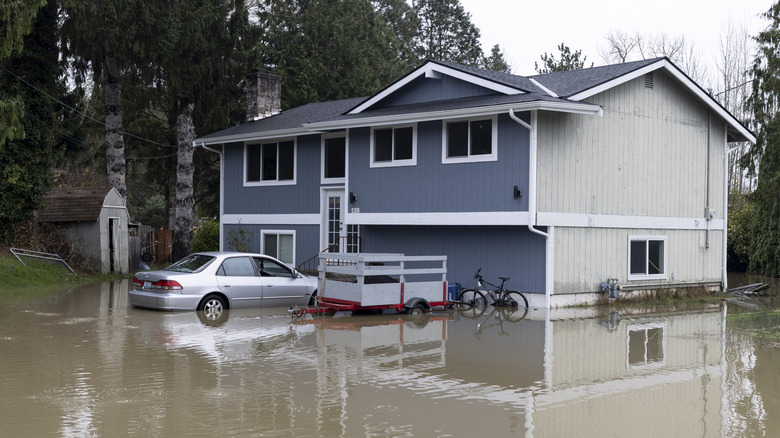
Flooding in any form is a concern, as it can damage homes, vehicles, and other property, and put lives in peril. However, flash floods are particularly dangerous, largely because they happen so quickly and arrive with such force, often unseen until the moment they arrive. Outdoor adventurers may think of flash floods as being a danger when hiking or camping, these forces of nature can also be a major threat at home and on the road. With that in mind, it's not only important to know how to protect your property, but also how to stay safe during a flash flood whether you are at home or on the road.
Flash flooding is typically a result of heavy rainfall. When a lot of rain falls in a short amount of time and overwhelms the drainage capabilities (natural or human-made) of a localized area, flash flooding is the result. This rainfall may happen in the immediate area or it may occur uphill or upriver, causing flooding as it comes rushing down. Most flash flood events begin within just a few hours of a heavy rainstorm, although it can actually happen much sooner, even within minutes. The rapidity with which a flash flood happens and its potential for destruction is why it's so imperative to have your home ready before a flood watch or warning happens.
Given the rapidness with which flash flooding can happen, if there are flood watches in your area, you need to immediately take steps to be prepared. You should have an emergency plan in place, which includes contingencies for evacuation. If heavy rain is forecast, check to make sure storm drains and ditches are clear, and that you are prepared with sheets of plastic and sand bags to help divert rising water from entryways.
Be prepared for both staying and evacuating
One of the main ways to stay safe during a flash flooding event is to maintain a well-stocked emergency supply kit in both your home and vehicle. This should include a first aid kit — such as the Swiss Safe 2-in-1 first aid kit — along with flashlights, a weather radio, extra batteries, cell phone chargers, and a signal whistle. You should also have a supply of non-perishable food and drinking water. If you don't already have an adequate supply of water, fill clean containers with tap water as soon as a warning is issued.
When a flood watch or warning is issued, last-minute prep is necessary. You should also go through your yard, picking up or securing any items that could float or clog drains, such as lawn furniture, grills, trash cans, toys, etc. Then, gather tools you will need, such as pliers and wrenches, to turn off utilities if necessary. Turn your freezer and refrigerator to the coldest setting in case power is lost. It is also a good idea to fill your car with gas, so you are ready to go should an evacuation be ordered.
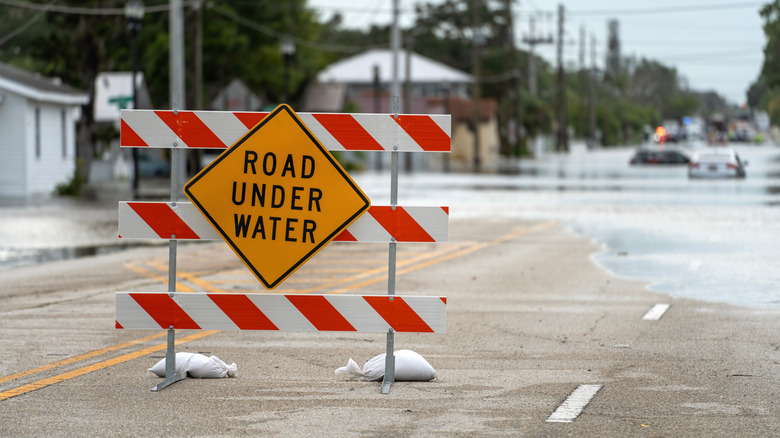
If you do have to evacuate, be sure to turn off all utilities, including electricity, gas, and water, before you leave your home. Then, unplug electrical devices, secure your home with sand bags, and leave as quickly as possible, following prescribed evacuation routes. However, you should only attempt to leave if ordered to do so, otherwise try to remain off the road. Whether you are evacuating or are caught on the road when a flood event begins, do not attempt to drive through any flooded roads: Even if they seem shallow, they may be deep or rushing. Additionally, avoid driving over bridges over rushing waters.