

The Beautiful And Hardy Fruit Tree That'll Thrive In Colder Climates
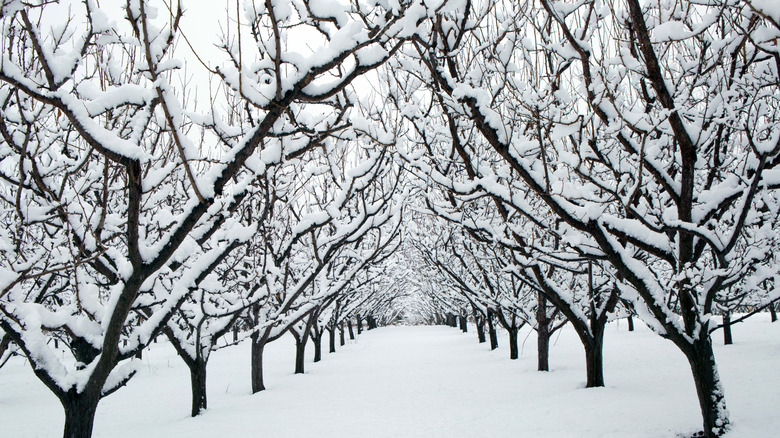
Gardening in the more northern zones of the U.S. can be tricky. There are plenty of summer annuals you can grow, but if you want something more permanent your options become relatively limited. If it's fresh fruit you want, you can either grow fruit trees in pots that can be moved indoors during cooler weather, or pick a tree that can withstand the cold temperatures. One option that might not be on your radar, but absolutely should be, is an apricot tree.
If you aren't familiar with them, apricots (Prunus armeniaca) are stone fruits similar to peaches, and they're actually in the same family as roses. Apricot flowers bloom in spring and are a major attraction for butterflies. The fruit follows, ripening through summer. In general, apricots are hardy to the central zones of the U.S., ranging from 5 through 7. However, there are some specific cultivars that are more cold hardy, tolerating zones cooler than 5. The primary issue with growing apricots in colder climates is that their flowers are sensitive to frost. If an unexpected frost hits after they bloom, they could lose flowers, leaving you with a smaller harvest (covering them at night helps). Luckily, there are also apricot varieties that bloom later in spring, after hards frosts are most likely to have passed.
The best apricot varieties for cold climates
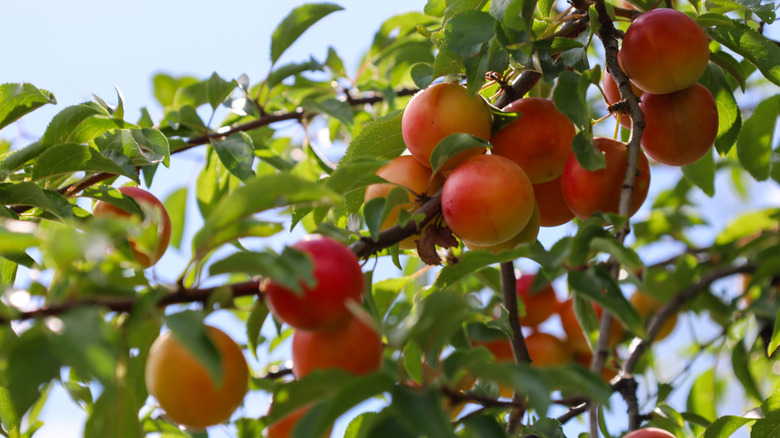
The ideal apricot tree for colder climates is one that has an increased resistance to cold, and blooms in mid- to late spring rather than early spring. There are a few options to choose from, although you could always grow some of each and enjoy having more apricots than you know what to do with! One of the all-around best options is the 'Harglow apricot.' It's hardy in zones 4 through 7, and its smaller semi-dwarf size makes it easy to cover and protect your tree from frosts. It's a later blooming apricot, but the fruit ripens quickly so you don't need to worry about a late harvest.
'Goldcot' is another good choice. While the cultivar is only hardy in zones 5 through 8, it can be grown in colder climates with additional protection. 'Goldcot' is also a late bloomer, so the risk of losing blossoms to frost damage is relatively low. You could also opt for another member of the HAR series, the siblings so to speak of 'Harglow,' such as 'Harlayne' and 'Harcot'. These varieties are also cold hardy and late blooming, but aren't semi-dwarf varieties. This is only an issue if you want to cover your apricot tree for increased frost protection (you don't want covers to touch leaves or branches). Height can also vary based on root stock, so you may want to check with the nursery you're purchasing from before deciding on an apricot variety.
Planting and caring for your apricot tree
Apricot trees, regardless of variety, need to be planted in full sun. To provide additional frost protection, plant your tree near a windbreak to shelter it from the worst of the winter wind and storms. Just be careful that the windbreak doesn't shade the tree too heavily. Ideally, soil should be well draining. Many apricot varieties are self-fertile, meaning you don't need multiple trees to get fruit. However, you will typically see a larger harvest if you have two or more apricot trees of different varieties. No matter how many trees you're growing, plant them in spring or fall when the weather is mild and water them weekly while they're establishing their root systems. After the first year, you can reduce watering to every couple of weeks, except during particularly hot or dry weather when they may need more water.
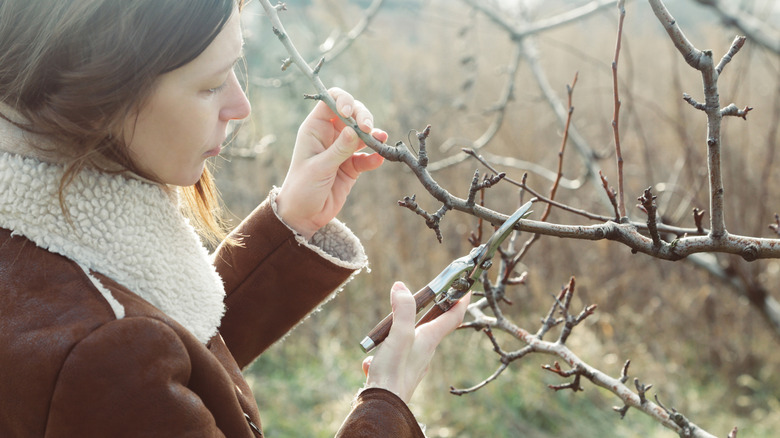
Once the tree is established, fertilize it during the growing season with a balanced fertilizer. Yearly pruning in late winter or early spring will help keep your tree healthy as well. In fact, this is one of those plants you definitely don't want to prune in fall. Fall pruning exposes the tree to disease which can permanently damage or destroy the tree. Most apricot trees begin fruiting after they reach three or four years old, but if your trees aren't growing fruit, there could be a few potential issues. A late frost and lost flowers is a common problem in colder climates, but if there haven't been any surprise late frosts, check the soil to ensure your tree is getting all the water and nutrients it needs.