

Why Ice Dams Form On Your Roof And Gutters (& How To Prevent Them)
We may receive a commission on purchases made from links.
Severe winter weather such as snowstorms and blizzards can present a variety of potential problems for homeowners. Because of that, whenever such weather events are in the forecast, it sets off a flurry of activity, from stocking up on supplies to preparing outdoor plumbing for freezing weather. One result of severe winter weather, that can end up damaging your roof as well as the interior and exterior of your home, can be prevented by taking steps that actually provide benefits throughout the year.
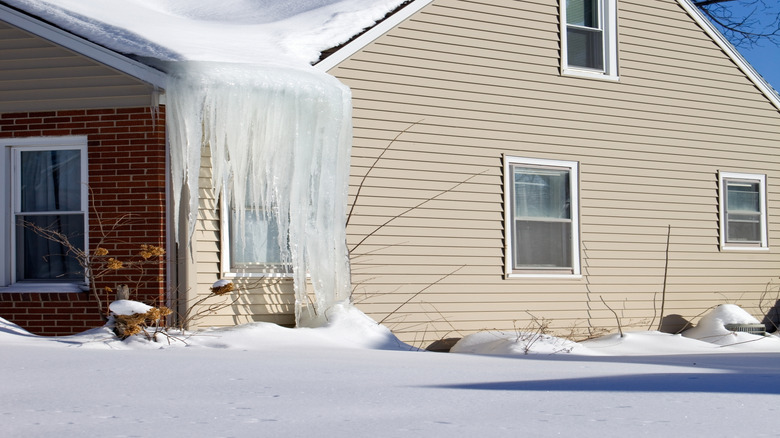
Ice dams are basically blocks of solid ice that form on the edges of roofs and in gutters. When formed, they prevent water from draining off your roof. As a result, the water backs up, seeping in under shingles and wherever else it can find even a tiny opening. The standing water can end up saturating roof decking, dry wall, insulation, wall studs, and other parts of your home. Ultimately, this water damage can lead to mold, wood rot, compromised structural integrity, peeling paint, and a myriad of other issues. It can even reduce your insulation's effectiveness.
While snow on the roof is often blamed, that alone will not create an ice dam. It is actually snow that melts off a warm spot on the roof, then refreezes before making its way off the roof that causes ice dams. More pointedly, it happens when snow melts in one part of the roof and drips down into an area that remains cold enough to freeze. This uneven melting is typically a result of heat escaping through the attic due to improper or uneven insulation, sealing, and/or venting in your home and attic. As a result, many of the things you need to do to prevent ice dams will also make your home function more efficiently throughout the year.
Short- and long-term actions to prevent ice dams
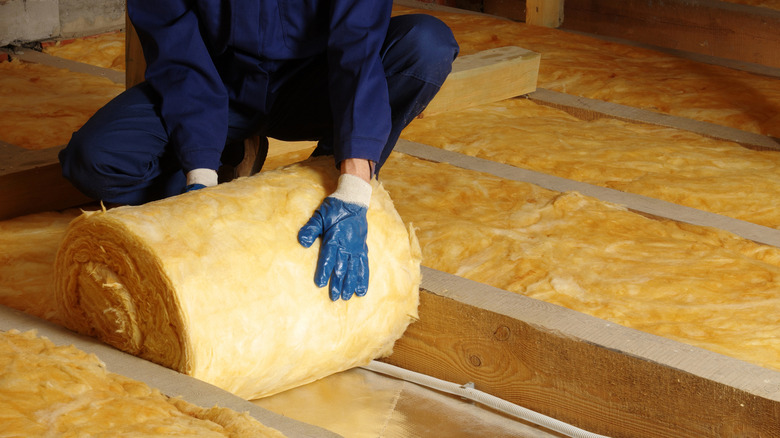
In order to prevent ice dams from forming, you need to do more than just prepare your roof for heavy snow. Ideally, your home is already well insulated, sealed, and ventilated. However, as homes age, these functions can diminish. It's worth checking your attic to make sure it is well insulated. Replace aging or damaged insulation before winter hits. Also check your roof for any cracks, leaks, or worn seals. Seal up areas around windows, exhaust pipes, chimneys, and anywhere else warm air might exit or water can enter. You should seal these areas outside as well as inside.
Also make sure the attic is well sealed from the house beneath it, so warm air isn't constantly seeping into the attic or crawl space. Additionally, it should have ample natural ventilation to maintain an even temperature and help moisture escape so the attic stays dry. These tasks can actually improve your home's efficiency throughout the year and are also best completed before winter. However, if you have not taken these steps yet, do so at the earliest opportunity, before severe winter weather sets in.
While those long-term actions go a long way to preventing ice dams, there are still short-term steps to take. For one, before each winter storm, as well as routinely throughout the season, be sure to clean out your gutters and downspouts so water can flow freely from your roof. Keep your roof as snow-free as possible, using a roof rake like the USA Handy Tools snow roof rake, to regularly reduce the snow level as it accumulates on your roof. Not only is it a clever hack to make snow removal easier, if needed, you can use the roof rake to clear an ice dam if one forms.