

There Is A Newly Detected Invasive Pest: Here's How To Identify It In Your Yard
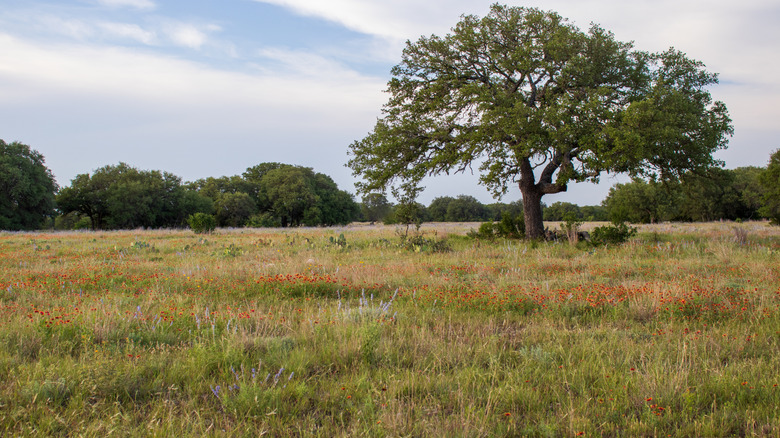
Invasive species can wreak havoc on ecosystems as they spread rapidly across the land, outcompeting native plants or animals. Monitoring and controlling their spread is an important part of protecting the environment, so it's crucial to be aware of newly identified invasive species in your area, and to look out for invasive species when buying plants at garden centers. Recently, an invasive mealybug called the pasture mealybug (Heliococcus summervillei) has been spotted in Texas. Over 20 counties in southeast Texas have already been confirmed the presence of pasture mealybugs. There are concerns that other counties may already have populations that just haven't been identified.
You may be familiar with other types of mealybugs, as these tiny pests are commonly found on houseplants. These tiny white or pink insects suck the sap from stems and leaves, causing plants to weaken. In small numbers, mealybugs are more of a nuisance than a true threat, but they multiply rapidly if not kept under control. The pasture mealybug specifically feeds on sedges and grasses, hence the name. Though it's thought to be native to Pakistan and other parts of Asia, it's already wreaked havoc in Australia and elsewhere. As it spreads through fields and pastures, it leaves behind dead or dying grass. This can be particularly devastating for farmlands, but it may also result in a patchy lawn for you.
What to do if you spot a pasture mealybug
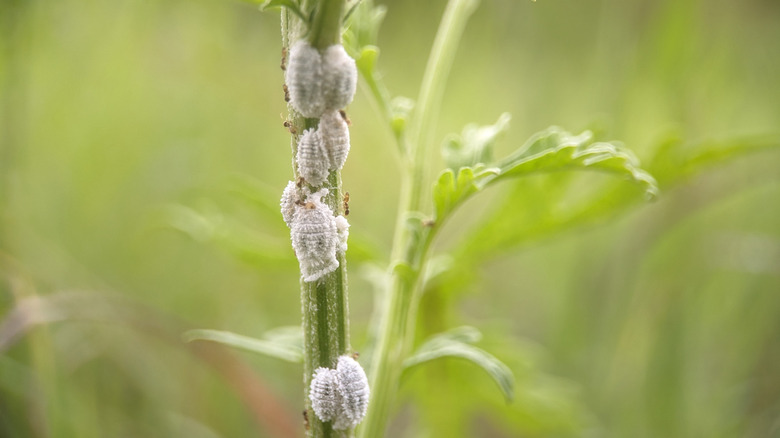
Unlike invasive ornamental grasses in your yard, you're unlikely to spot a pasture mealybug from a distance. Mealybugs are tiny, with adults being only a few millimeters long and juvenile bugs being even smaller. Adults have a waxy "fuzzy" appearance. Watch for signs of damage like discolored grass or areas of stunted growth, or deposits of cottony, "fuzzy" egg clusters. These will often be under the leaves or where stem and leaf meet. There may also be underground infestations. If you suspect you might have an infestation, visually inspect the area for mealybugs. Currently, there aren't any pesticides proven to effectively target pasture mealybugs, so the best thing to do is document the infestation and report it.
This is also important because, unless you happen to be an entomologist, identifying what type of mealybug is in your yard is pretty difficult. Mealybugs are small, and they all look roughly the same. Contact the Texas Department of Agriculture (or your state's Department of Agriculture if you're not in Texas) Just like if you spot an invasive species in a national park, the best thing to do if you spot invasive mealybugs in your yard is to report it to the authorities and let them handle it. When it comes to new, potted plants, prevention is the best medicine: Inspect them carefully before you buy them, and don't bring them home if they seem infested. If you find any on potted plants you already have, wipe them down thoroughly with alcohol-soaked cotton swabs and repeat periodically, carefully sealing the swabs in sandwich bags or burning them if you're allowed.