

Plan The Road Trip Of A Lifetime On This Ecuador Route Lined With Snow-Capped Volcanoes
We may receive a commission on purchases made from links.
Over 1.5 million people visit Hawaii's Volcanoes National Park each year, where they can view a pair of very active volcanoes, see fresh lava flows and steam vents, hike, and take scenic drives. For those who enjoy such activities, Ecuador's Avenue of the Volcanoes offers a chance to plan the road trip of a lifetime and take in all of those experiences (minus the lava flows) on an even grander scale.
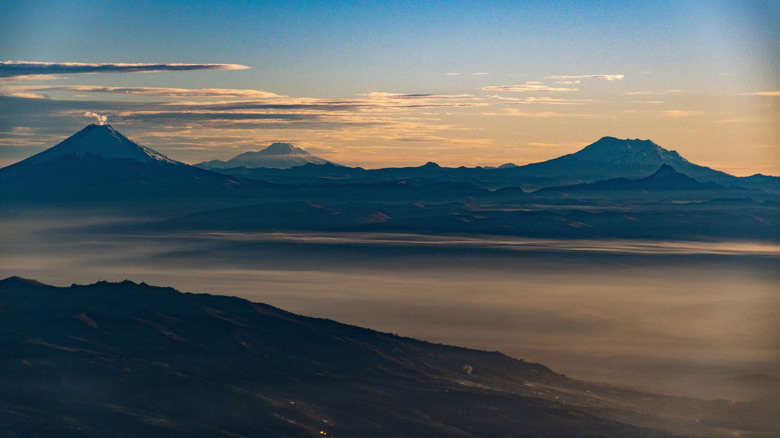
The Avenue of the Volcanoes is a 200-mile stretch of the Andes Mountains, running roughly north-south through central Ecuador. This section of the roadway — officially known as the Panamerican Highway today — was dubbed the Avenue of the Volcanoes by German explorer Alexander von Humboldt when he traveled an early rendition of the road in 1802. Now, as then, those who travel along the Avenue of the Volcanoes can view dozens of snow-capped volcanic peaks lining either side of the thoroughfare. Among the nearly one dozen major volcanoes along the route, roughly half are still active.
While just driving this stretch of highway and taking in the panoramic views of the Andes can be an epic experience unto itself, there are also a variety of activities to be enjoyed along the way. These include an array of cultural experiences, outdoor activities, and adventure sports.
An impressive array of volcanoes
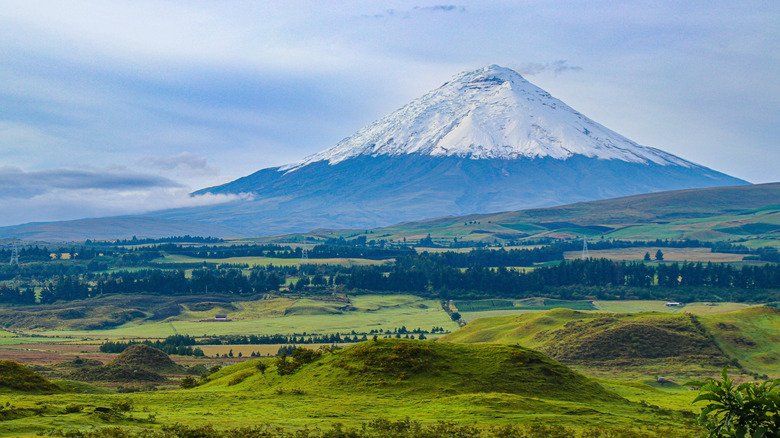
A number of the volcanic mountains found along the Avenue of the Volcanoes are impressive by any standard. Chimborazo, which is classified as inactive, is the highest peak in Ecuador at 20,548 feet. The combination of its height and location on the Earth's waistline also puts it closer to the sun than any other point on the planet. Just south of Quito, visitors can adventure in Cotopaxi National Park. Whether hiking, mountain biking, rappelling, or rafting, Cotopaxi has lots to offer. However, the main attraction is Cotopaxi itself, which is one of the world's tallest active volcanoes (19,347 feet), having last erupted in 2015.
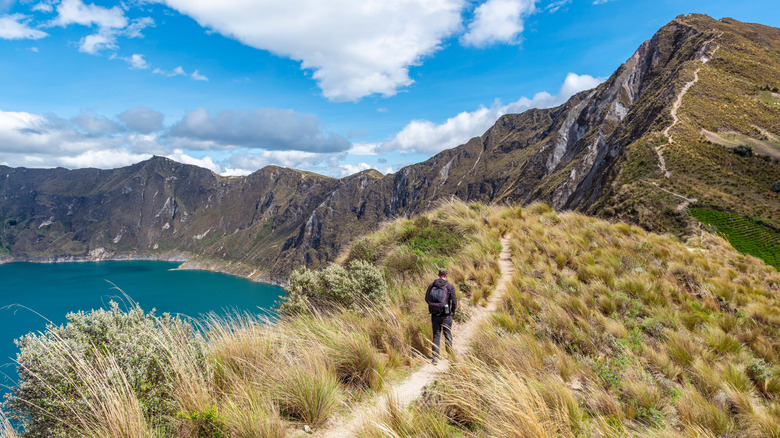
Besides Cotopaxi, there are four other active volcanoes found along the Avenue of the Volcanoes: Antisana, Sangay, Tungurahua, and Quilotoa. Although it has been some time since either Antisana or Quilotoa have erupted, Sangay and Tungurahua are both very active and erupt regularly. Of these, Quilotoa is often considered the most visually stunning, with its gorgeous green crater lake and incredible vistas. Another notable volcanic mountain visitors can explore is El Altar. While Altar is considered an extinct volcano, it is notable for the height and complexity of its multiple peaks, looking like a massive fortress or alter (hence its name).
Avenue of the Volcanoes offers incredible experiences
Touring the 200-mile stretch of the Panamerican Highway known as the Avenue of the Volcanoes doesn't just provide incredible views, it winds through a numb of towns and natural features, providing visitors a glimpse into Ecuador's rich cultural heritage and tremendous biodiversity. This section of roadway begins in the city of Quito (Ecuador's capital) and runs south to the town of Riobamba. Each of these cities feature numerous buildings still standing from the colonial era. Quito is particularly known for its many historic churches and monasteries, and has been designated a UNESCO World Heritage Site. The small towns and villages between these two cities feature local markets and other attractions.
All along the Avenue of the Volcanoes, visitors can enjoy some of the most thrilling hiking trails in South America. Among the more popular are the Cotopaxi glacier trail, Illinizas Norte summit, and the Quilotoa crater hike. Regardless of the trail, picking the best hiking boots and carrying the 10 emergency essentials is critical, as much of this area is remote, and acclimating to the elevation is a must. If you are not going with a guide, use a handheld GPS such as the Garmin Etrex 32x.
At various spots along the Avenue of the Volcanoes, there are opportunities for a host of other action sports, such as ziplining, mountain biking, rafting, horseback riding, canyoning, and paragliding. You also likely encounter various local wild animals, such as alpacas, llamas, hummingbirds, and Andean condors. So, while this stretch of road can be driven in about 4 hours, you will likely want to plan several days enjoying this road trip.