

South America's Most Dangerous (And Thrilling) Hikes
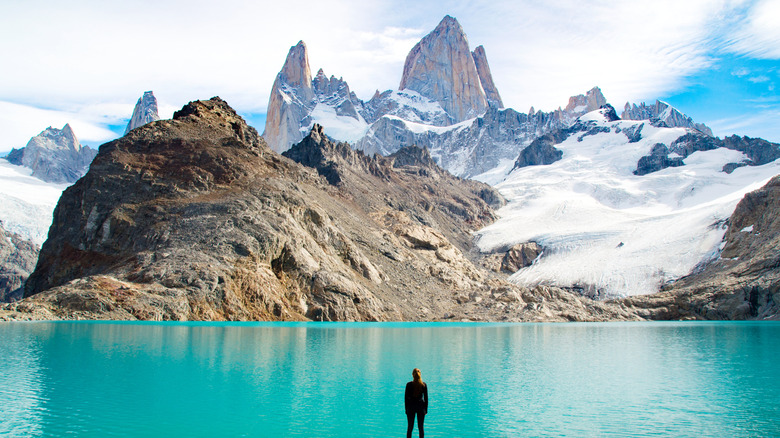
Known and revered among explorers as one of the most extremely diverse continents on the planet, South America is coveted by hikers. It's home to the world's largest river, and in antithesis to the Amazon, also boasts the driest place on Earth — the Atacama desert. Loosely broken into three physical regions — river basins, coastal plains, and mountains and highlands — such extreme variation means you can explore what seem like completely different parts of the world, each within a few hundred miles of one another.
So South America is an explorer's paradise, and it's absolutely rife with outdoor thrills. But it's not without its dangers, particularly for those who want to experience it at its most extreme. Patagonia, for example — an area of around 260,000 square miles incorporating both Argentina and Chile — offers some of the most incredible vistas and biodiversity on the planet. But it also throws up some of the harshest weather conditions. Fickle by nature, the region can quickly change its mind, switching from sunny to soaking in minutes, and if you happen to be exploring one of its giddy mountain trails, this can be incredibly dangerous.
Not only in Patagonia is hiking a potentially precipitous pastime. Across its most wild regions — from the Amazon to the Andes and beyond — the climate in South America can be freezing cold, stiflingly hot, and onerously humid. This can put enormous strain on those not ready for such demands. But if you're up for a challenge, then South America has enough to get a fire burning in the hearts of even the most intrepid explorer.
Cerro Tusa, Colombia
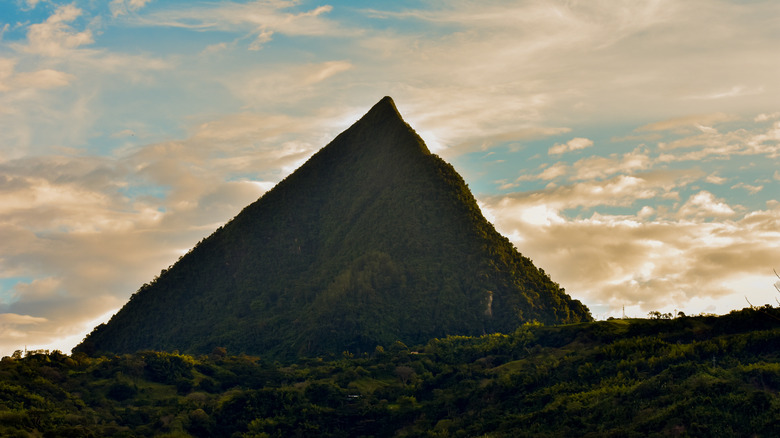
At just over 6,000 feet and dubbed the "world's tallest natural pyramid," the route to ascend the volcanic chimney known as Cerro Tusa is one of Colombia's most revered trails, but also one of its most challenging. The hike up the mountain starts at a town called Venecia, which can be easily accessed by either taxi or bus from Medellin. Generally speaking, and especially at the weekends, the trails are quite busy. And while that might not sound like a good thing, you'll be glad to see some like-minded and friendly faces should you find yourself lost in the wild on winding and barely-marked trails.
Losing your way isn't inevitable, especially if you're experienced and know how to avoid getting lost on a hike, but since the trails aren't especially well marked, it's still likely. Hiring a local guide is recommended for first-timers. They can also be very muddy in places, so good footwear is essential. And while there is only a little more than ½ mile of uphill climbing, the incline is dangerously steep. In addition, unless you get an early start, you could be facing intense heat on the 3 to 6-hour hike. In fact if you have a serious fear of heights or are not confident with your balance, it could well be worth reconsidering this particular trail.
Huayna Picchu, Peru
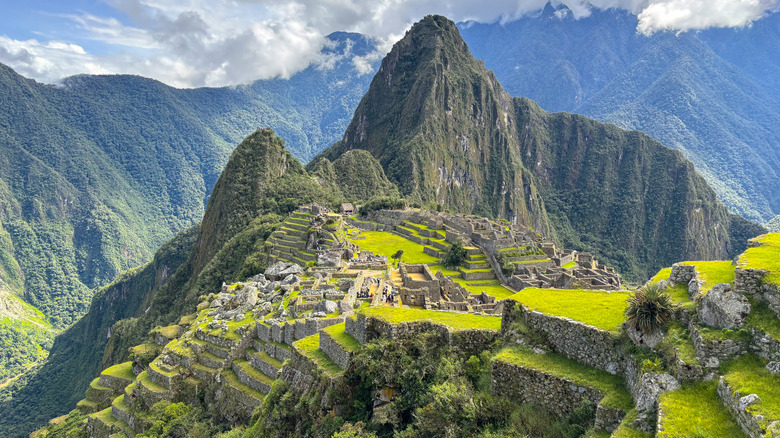
With only 400 tickets available each day, the first challenge you'll face if you decide to add Huayna Picchu (AKA Wayna Picchu) to your bucket list is securing a slot on a day that ties in with your trip. With that done, you'll then need to ensure you're fit for the challenge. While the distance to summit the peak towering over the ancient citadel of Machu Picchu is hardly the longest (rising 1,180 feet above the citadel), it makes for an exhausting and, at times, dizzying 3-hour climb and return.
The two most difficult sections of the climb are the Huayna Picchu Tunnel, and the problematically named "Death Stairs" or the "Stairs of Death." The tunnel, built by the Inca, may have served as a choke point for invaders attempting to summit the mountain. The hike features tight walls and steep, uneven steps. Also uneven are the Death Stairs, which, while certainly daunting, are not quite as terrifying as their nickname would suggest. Yes, they're steep, and sure, there's no guardrail protecting you from a long, steep tumble to the bottom of the mountain. But provided that you climb with caution, can cope with heights, and know how to keep calm during your hiking adventure, you should be fine.
Huemul Circuit, Patagonia
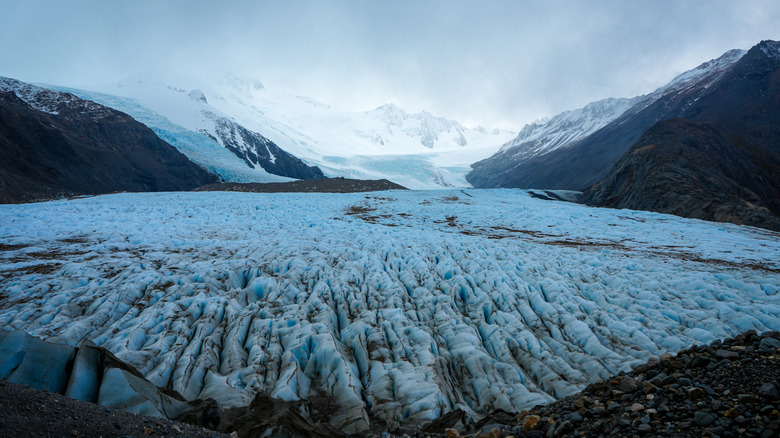
Often hailed as South America's toughest walk, the Huemul Circuit will force you to draw on every ounce of your hiking experience. It's important to say at this point that the trek inside Los Glaciares National Park is incredibly rewarding, with vast landscapes featuring torrential rivers, massive glaciers, and immense rocky slopes. But given Patagonia's unpredictable weather patterns, it is also endlessly challenging. The main issue, once you're out there, is that there's no hiding from nature, in part because it's a 4-day, remote hike. If you're fit and experienced, then all of this will be ticking an awful lot of boxes. So, too, will the prospect of wild camping far from the hustle of civilization.
If you're starting to get excited by the prospect, then the strongest recommendation, even if you're familiar with mountain-hiking safety, is to enlist the help of a guide. There are no facilities on the trails, and if you don't take company, you're unlikely to find help should you find yourself in need. Given the tough nature of certain trail sections (remember those glaciers and raging rivers?) getting lost or sustaining an injury is more likely without the knowledge of a guide.
Sightings of elusive wildlife (including the eponymous huemul Andean deer) are likely, and huge skies with cloud-wreathed mountains are all but guaranteed. Bitter cold and howling winds are sure to take their toll, but the natural sights are so staggering that the trade-off is generally agreed to be worth it.
Huayna Potosi Trek, Bolivia
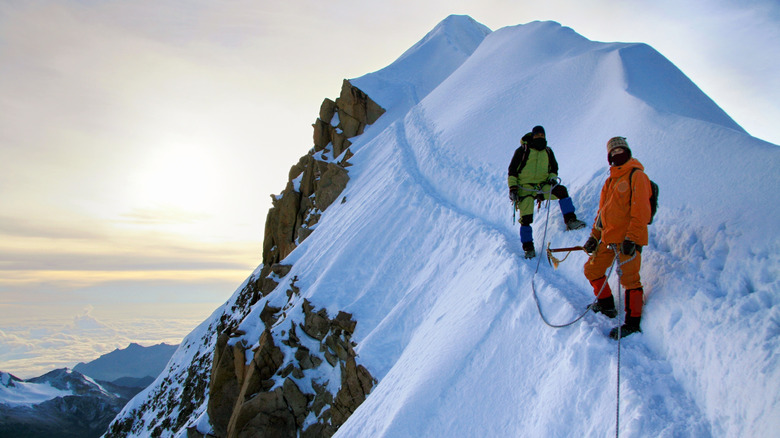
Considered one of the easiest mountains over 19,000 feet to climb, that's not to say that this hike up Huayna Potosi in the Cordillera range is in any way easy. It's moderate, at best, and involves an acclimatization hike, which should give you an indication as to the challenge you're facing. Perhaps the biggest hurdle to get your head around is that the six-hour hike to the summit starts in the middle of the night. You should already have gotten some practice at ice climbing during the acclimatization hike, but that doesn't mean you'll be totally prepared.
Many climbers, especially those with more experience who were expecting a lesser challenge, have underestimated the climb's difficulty. The weight of your equipment (including ice boots, crampons, axes, harness, and helmet) and the altitude are both tough opponents to conquer, and that's before you consider taking on the actual ascent to the summit, which is usually a slog through snow. It's all worth it when you reach the top: It's rare that you find yourself actually looking down on snow-capped peaks, but that's precisely what you'll get to do at the summit of Huayna Potosi.
Villarica Volcano, Chile
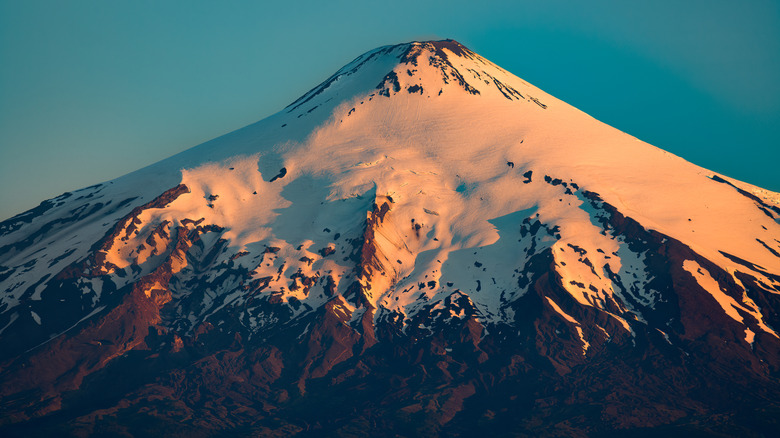
How does a full-day hike up to the summit of a snow-capped, yet active volcano sound? As one of the most accessible volcanoes in South America, the mile-wide caldera that is Villarica is climbed by hundreds of hikers every month. While not technical, the climb is nevertheless demanding, in fact there's a sky lift that provides an easier-going option (when it's working) for those whose fitness or desire is not quite up to the task.
If you decide to go all-in for the on-foot experience, you'll face a long slog through rather dull sandy scree. This takes you to the high point of the sky lift, at which point you could be forgiven for wishing you'd hopped aboard. Even if you do take the sky lift, it's worth noting the elevation that you'll still need to scale. The town below, Pucón, is just a few hundred feet above sea level, however, the summit of the volcano is a whopping 9,380 feet up, a 3-mile hike. In other words, altitude on this climb is a serious factor.
Fortunately, tours to summit the volcano start early in the morning, meaning there's plenty of time to take breaks and enjoy the view. And the climb back down? There's plenty of time for that too, right? Don't worry. Before you set off, you'll be armed with a plastic tray, which you'll use to slide your way back down the snow fields. Even if you reach the top and decide that you've enjoyed better views in your climbing career (unlikely), how often do you get to get to sled down the side of a volcano?
Aconcagua, Argentina
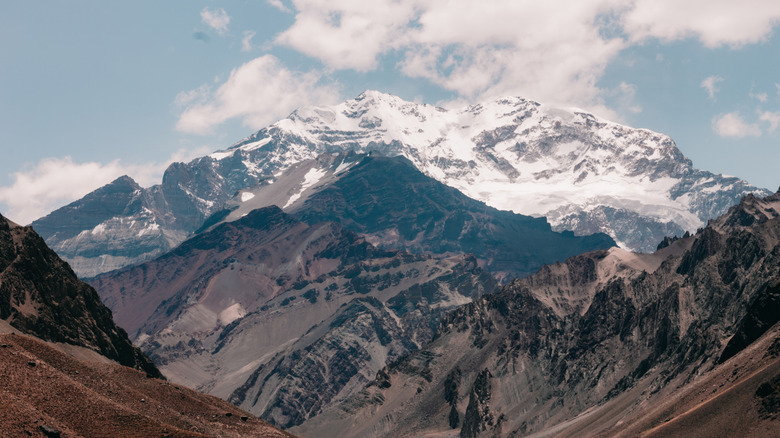
A tougher climb than Kilimanjaro (and around 3,500 feet higher), climbing Aconcagua is, without a doubt, a serious challenge, even for experienced hikers. However, it's also high on the list of those more adventurous, especially since it's one of the famed Seven Summits. Though it's considered less technically challenging that its sister peak Denali, it's still an ordeal, and some years is more deadly than Everest.
As the highest mountain in all of the Americas (and anywhere outside of Asia), basic mountaineering skills are essential if you hope to climb this Argentinian behemoth. On the day of your summit, expect to spend more than 12 hours climbing and descending, so prepare to be absolutely exhausted upon your return. In fact, preparation is absolutely critical, and guides usually require visitors to have experience with similar climbs and targeted vertical hiking training beforehand. You'll also need experience with ropes and fixed lines before they even consider taking you to the top, and even then, the summit rate for those attempting the climb sits at around 30%. Don't think that it's only the ascent that's challenging: A steep, three-day descent on scree and rock is likely to test your legs to the limit.
Lost City Trek, Colombia
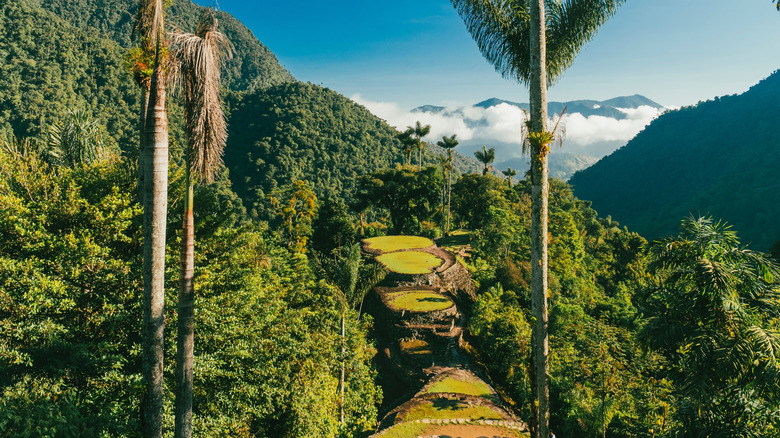
Winding its way past a rich diversity of flora and fauna and offering the chance to interact with the indigenous communities who inhabit the region that the trail traverses, the Lost City Trek is a worthy entry to the bucket list of any adventurer spending time in Colombia. Different tours are available, from 3 to 7 days — depending on the tour group and intensity you seek — with visits to local villages and more. While guidance, accommodation, meals, and transportation are all included, it is, nevertheless, a challenge.
Built circa 800 AD, Ciudad Perdida Teyuna — the Lost City — is an archaeological wonder, built by the Tayrona peoples across about 1,000 years until the 1600s. It's thought that only 10% of the ruins there have yet to be uncovered. In order to reach them, you'll traverse the Colombian jungle, overcoming sweltering temperatures, high humidity, and steep ascents in equally exhausting measures, hiking 5 to 10 miles over 4 to 8 hours each day. From exploring ancient terraces and other structures and meeting the people who live there, to swimming in the heart of the jungle, this is an experience that you're unlikely to forget.
Nevado Chachacomani, Bolivia
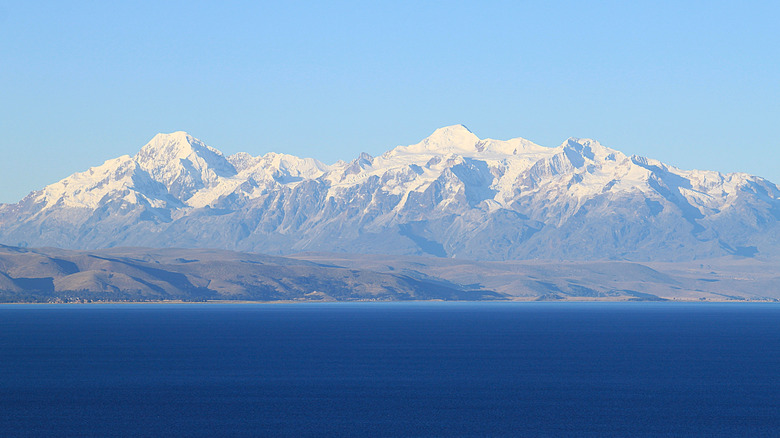
Part of the Cordillera Real range of Andean mountains, at its summit, Chachacomani is 19,900 feet above sea level. This means that the altitude alone demands a particular level of fitness that might make an attempt simply too dangerous for those who aren't prepared. The hike itself, part of a four-day excursion, is extremely challenging, too, and the six-hour summit hike, which starts very early, involves scaling a large glacier around Pico Centinela.
While it's considered a basic to medium trek in terms of technical skills, the hike is only really recommended for hikers with high-altitude mountaineering experience, so ticking a few similar but less-challenging hikes could well be worth your while. Access to the start of your adventure is also easier now, since a road from the village of Peñas was built in the early 2000s.
Torres del Paine Full Circuit, Chile
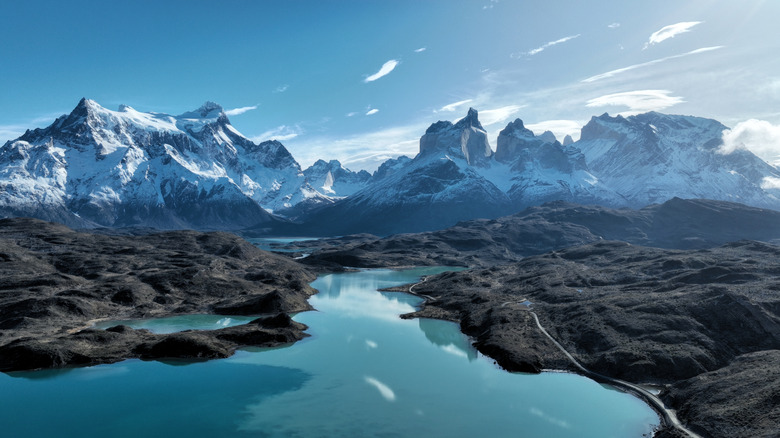
While not inherently dangerous, the Torres del Paine Full Circuit (or loop), inside Torres del Paine National Park, is packed with thrills for those who want to immerse themselves in the Patagonian wilds. Framed by mountains and huge skies rolling overhead, and (glancing down) by immense glaciers, untouched forests, and surging, inevitable rivers. In all, you'll traverse around 80 miles over the course of seven days. You can extend the trip, also known as the O Trek, to nine days, for a slightly easier pace. As for where you'll stay, it's entirely down to your budget and how much equipment you'd like to carry. If you'd prefer to just carry your emergency hiking essentials, then it's possible to rent camping gear at one of the park's 11 campsites. You could even stay in a cabin. However, doing so is likely to run up the costs of your trip quite substantially.
Again, the hike isn't generally considered to be dangerous. However, walking for a week with a heavy backpack is likely to weigh on the spirits of those who aren't up to task, so knowing how to physically prepare for a long-distance hike is key. As with any hike in the Patagonian wilderness, you're likely to find yourself at the mercy of the region's unpredictable weather. While there are plenty of campsites, each day will see you venture into the wild. Since the risk of injury is pretty much par for the course with any wild hike, you'll want to consider hiring a guide, or at least know what to do if you hurt yourself on a solo hike.
Quilotoa Loop, Ecuador
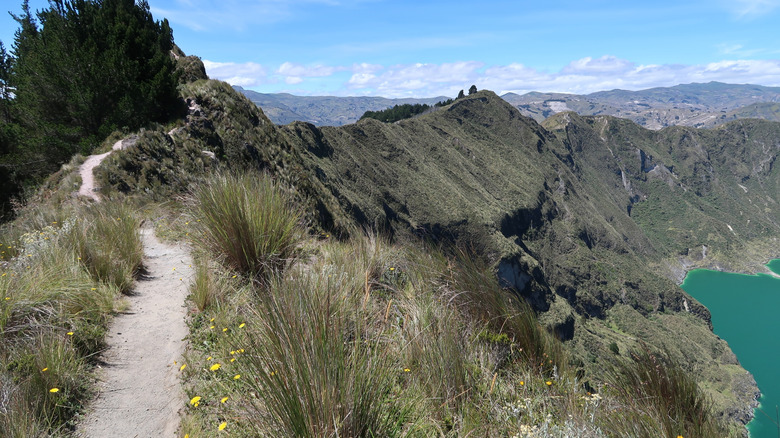
Despite only stretching for 22 miles, this loop in the Ecuadorian Andes takes a few days to complete. The reason? The volcanic landscape here has many literal, and rather extreme, ups and downs, presenting a significant physical challenge. the terrain is cut through with deep canyons from the dormant volcano's most recent eruption about 800 years ago (Quilotoa itself is a massive crater lake). The elevation rise and fall of these canyons is enough to test even the most hardened hiker's fitness, and as with any mountain trek, ensuring that you're prepared for unpredictable weather and extreme heat in summer. You'll also often be the only hiker around, so being vigilant about safety is paramount.
You don't need to hire a guide, as the route is well signposted. However, with a guide showing you the way, you'll still get to enjoy the same incredible sights that you would if you embarked by yourself, but you'll also learn bucketloads about the history of the landscape and the many small Quichua communities that call it home. Cultural highlights of the route include perusing the wares of Ecuador's largest indigenous market at Saquisili (it takes place every Thursday), and seeing traditional cheese-makers at work in Isinlivi. As for scenery, expect volcanic lakes, river-hewn valleys, and views of the snow-capped and mind-bogglingly-massive Ecuadorian Andes in the distance.
Laguna 69, Peru
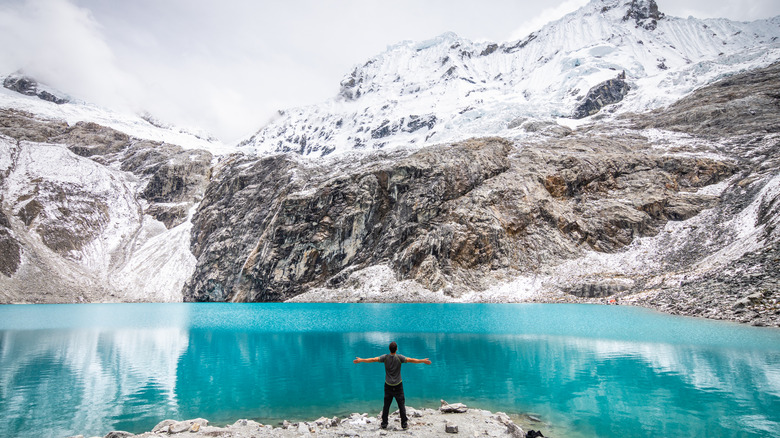
One of the more challenging day treks in South America, the hike to summit Laguna 69 covers just 8 ½ miles. But the 2,670-foot climb is enough to knock the wind out of even the toughest hiker's sails. Even if you're in good shape, this hike is likely to be hard work, not only due to the elevation gain, but also the altitude that your lungs will have to put up with. Even experienced hikers recommend spending a couple of days in Huaraz to help acclimate (you'll be taking a bus from Lima).
If all of this sounds like the kind of trail you could tackle, great! There are plenty of views that threaten to steal your breath even as you attempt to catch it. You'll embark first through a mountain-framed valley, before ascending along a series of relatively easy switch-backs, where you'll have views of streaming waterfalls and frozen snow-cloaked mountains in the distance. One heads up: It gets very crowded. And the cost of transportation to and from the trailhead may make solo travel more expensive than with a group or guide.
The first set of switch-backs eventually flatten out, giving way to a second valley with sights of Laguna Esperanza (translated as "Hope Lake"). While it only takes around an hour from here to reach the top, that hour requires the ascension of a second and more severe set of switchbacks, which, combined with the ever-thinning atmosphere, is sure to leave you needing a few breathers. And if they don't take your breath away, then the final ascent surely will as the turquoise waters and mountain frame of Laguna 69 come into view.
Cordillera Real, Bolivia
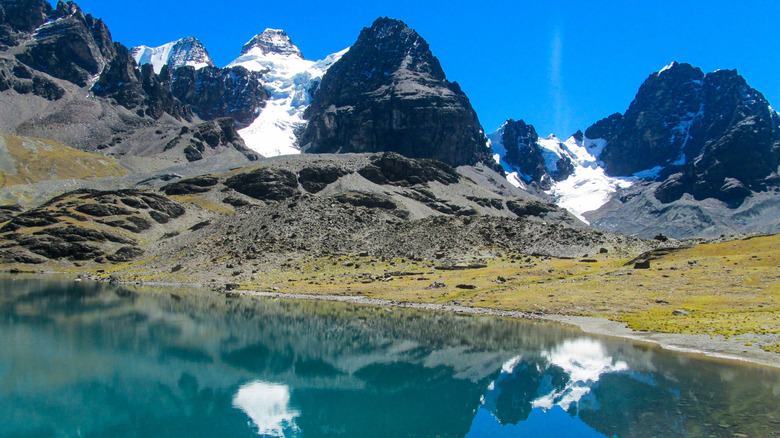
Picture insurmountable mountains as they appear to shoulder equally enormous skies, all reflected in glassy blue lagoons down below. Depending on the tour (options vary from single day trips to those spanning three weeks), you'll wander in the shadows of Bolivia's Royal Mountains, tackling multiple mountain passes (all above 16,000 feet), while soaking in vistas that even the best photographers would struggle to assign to a single still.
Throughout the trip, you can expect a high degree of solitude from the rest of the world — a surprising rarity on even the most challenging routes in South America. And if you do happen to bump into a fellow being, it could just as easily be a llama or a farmer. In fact some trips even offer the chance to meet the indigenous communities that call the Andes highlands home.
Hikes here are at least moderately difficult. On longer trips, you'll find yourself isolated from the world, which is generally considered a good thing, as long as you have a guide to ensure you don't get lost in the wilderness. The altitude of certain sections is sure to test your lungs, particularly if you're not fully prepared. What's more, the weather doesn't really care whether or not you're prepared for it, so ensuring you're armed with winter hiking essentials like warm clothes and winter boots is paramount to your safety and enjoyment.