

For A Thriving Spring Vegetable Garden, Plant These Leafy Greens During Winter

You may think the best time to start your garden is spring, sometime around the last frost, but there are a surprising number of plants that can be started or grown during winter. You can plant polyanthus primrose for frost-tolerant flowers, but what about veggies? If you feel low on vitamins after a dark and dreary winter season, you'll probably want fresh veggies as soon as possible. Luckily, there are leafy greens you can start planting right away for a nutritious and delicious spring harvest.
Kale is one of the most common winter greens. It's easy to grow and exceptionally hardy in the cold. It's often grown in zones 7 through 10, but can be grown further north with additional care and protection. For a spring harvest, you can start kale seeds indoors or in a greenhouse at any point in the winter. Established kale plants that were added to your garden in fall can easily survive through the winter as well. Depending on where you live, you can also plant kale seeds in your garden during winter or early spring. While you may need to protect late-season seedlings from frosts, kale seeds can still be planted through winter in zones 9 and 10. Kale seeds won't germinate in cold soil (below 40 degrees Fahrenheit), so it is typically planted up to five weeks before the last frost of the year. As the soil warms, your kale seeds will start to germinate more quickly and be ready to harvest in early to mid-spring. In areas with a warm or mild winter, you may be able to plant your kale even earlier.
Collard greens
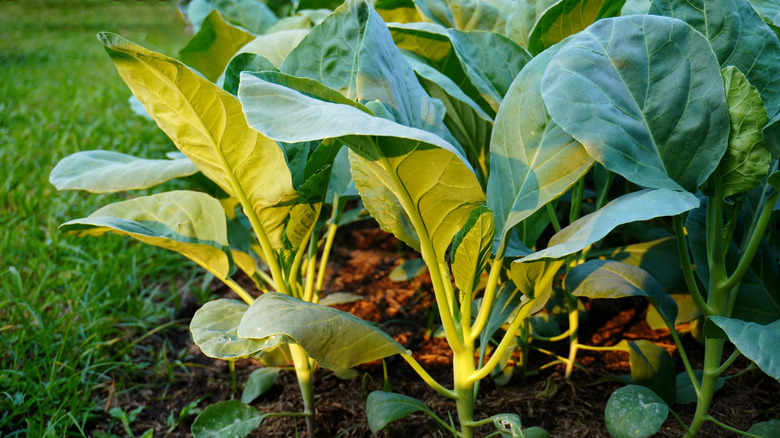
Collard greens are another fantastic leafy green you can add to your garden during winter. While the bulk of their harvest will come in summer, you can typically start harvesting baby greens in spring. Collards are hardy against both heat and cold, making them an exceptionally popular addition to southern gardens. In northern zones (3 through 7), you will need to wait until early spring to plant collard green seeds outside, but in zones south of that you can plant it during winter. If you live in zone 10, you can plant your collard greens at the top of the year in early January, and gardeners in zone 11 can start their collards as early as December. Plants that overwinter may actually thrive with snowfall, and some say the greens taste better after enduring a couple of frosts.
Alternatively, you can start collard green seeds indoors and transplant the seedlings outdoors roughly one month afterwards. Since collards are relatively slow-growing, starting them indoors or in a greenhouse during winter is a great option for colder climates where you would otherwise have to wait for the thaw.
Swiss chard
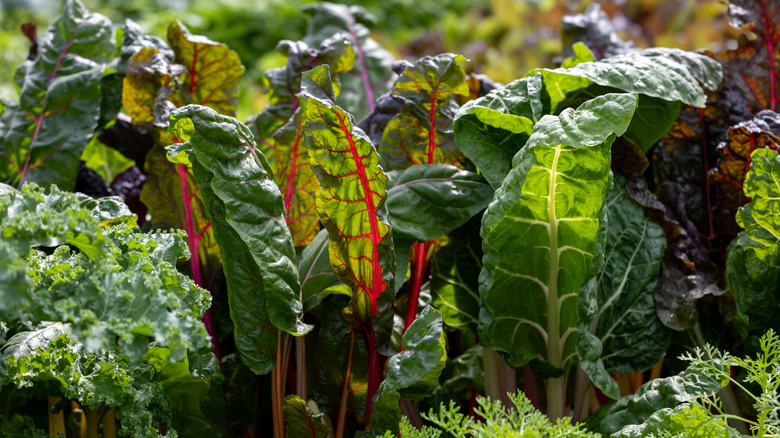
Swiss chard may not be as popular as collard greens or kale, but it still makes a great addition to any winter garden. Chard can be planted during late winter in zones 8 through 10, and seedlings can be transplanted into your garden during late winter or early spring in those zones as well. In zones north of 8 you'll need to wait until the harshest frosts have passed in order to set out your seedlings, but once mature, Swiss chard is fairly cold hardy(above about 25 degrees F). If you want large, full Swiss chard leaves, you'll need to wait until at least summer, but young Swiss chard leaves can be harvested earlier. Additionally, Swiss chard plants are biennial, meaning you can get a second year of growth out of them before they begin to bolt. Overwintering them is easier in zones 8 and warmer, but you may be able to keep your Swiss chard plants alive in colder regions by growing them in containers and moving them to a greenhouse or indoors during frosts and the coldest parts of winter.