

Why You May Want To Reconsider Leaving Your Exterior Lights On Constantly
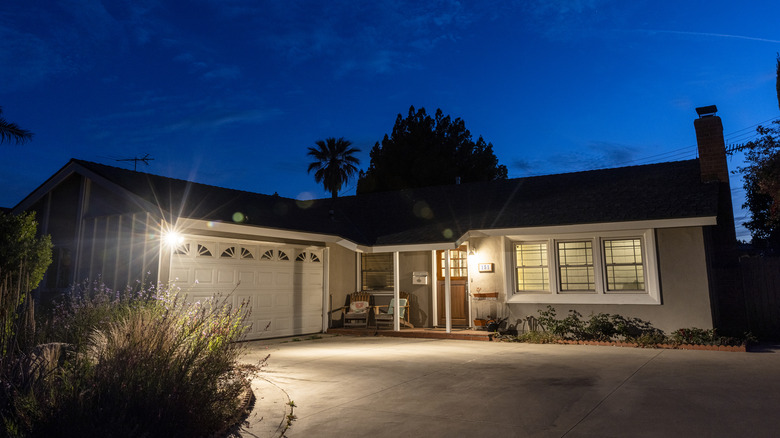
There are a few reasons why you might be tempted to leave your outdoor lights on all night, but could they be doing more harm than good? No matter which type of outdoor lighting is right for you, people often think that keeping your home well-lit will protect it from criminals. After all, who wants to break into a home when the neighbors can clearly see you? You may think the added safety is worth the higher electric bills, but unfortunately, outdoor lights aren't as effective as you may think.
According to the FBI's Uniform Crime Reporting Program's 2024 report, the majority of home invasions continue to happen during the day, when people are gone for work or school. For the smaller percentage of break-ins that occur at night, lights may or may not help, depending on your circumstances. If you normally turn your lights off at night but leave them on when you're gone, this change in routine could signal to any would-be criminals that you're not home. It can also depend on where you live. If you don't have neighboring houses, then the lights won't be much of a deterrent. It doesn't matter how well-lit the criminal is if there isn't anyone around to see them!
Leaving your lights on is disruptive to your neighbors
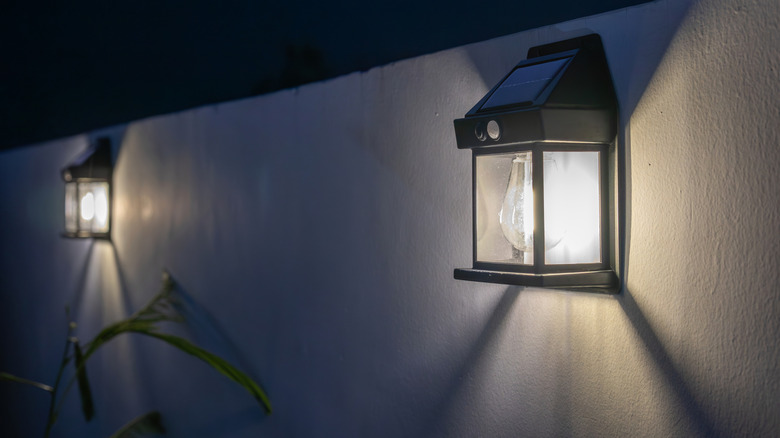
Bright lights around your house can shine into your neighbor's windows and disturb their sleep. Unless you love dealing with cranky neighbors, you should carefully consider where your lights are positioned and how often they're left on. An arguably better deterrent for burglars is actually having a good relationship with the people around you. When your neighbors are willing to look out for you and have your back, it makes everything much easier, and sometimes that means not shining a bright light into their windows.
You may think this isn't an issue if you live somewhere more remote, but we mean all your neighbors — both the human ones and the wildlife. Lights are one reason your yard may be swarmed with moths, and the longer your lights are on, the more moths you're likely to attract. Creatures that eat them are likely to follow, including those you may not want near your home, such as spiders and bats.
Even if they aren't eaten, moths may still die from injuries or simply due to using up all their energy at the light and not eating. Moths are actually important pollinators, and if they're fluttering around your light, they aren't pollinating flowers (especially if they're too busy dying). Your lights can also make it harder for animals to sleep and may disrupt nocturnal animals' sense of day and night.
What's the best way to light your house at night?
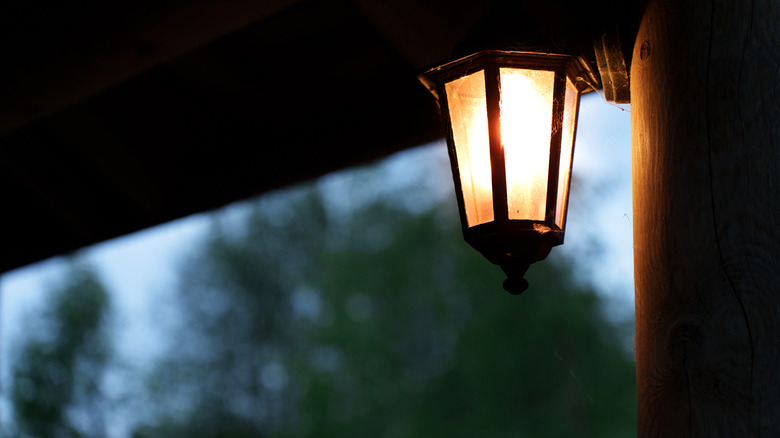
You don't need to get rid of all your lights to keep your home safe and avoid disrupting any of your neighbors, but you should be strategic about how you use them. Angle your lights downward or choose shielded ones so that the light is directed at your yard and walkways rather than your neighbor's windows. This can also help reduce light pollution in your yard, which limits the environmental impact of your lights. Consider where your lights are placed and which sections of your property you need to be lit. Areas near entry points, such as doors and windows, are a good idea to light, as are staircases or other potential tripping hazards.
Instead of leaving your lights on all night, try installing a timer that will turn them on and off at set times. Not only is it more efficient than letting them run all night long, but it will also help you keep a set routine, whether you're at home or out on the town. You can even use timers for your indoor lights and certain appliances like television sets, which help maintain the appearance of someone being home. Motion sensor lights are another good alternative, since they'll only turn on when something or someone is moving through your yard. With these installed, you can have some peace of mind while also saving some money on your utility bills.