

How To Choose Between Gravel And Limestone For Your Garden Pathway
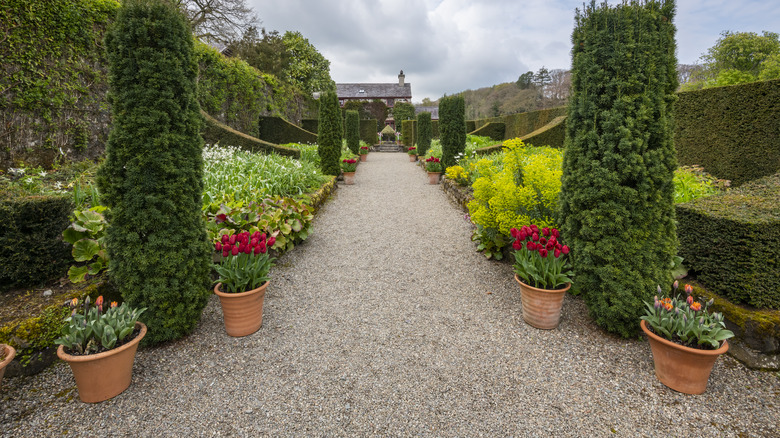
If you're building garden pathways and have decided between limestone or gravel for your next landscaping project, you still have a lot of decisions to make in terms of color, size, texture, function, and more. You might be feeling a little stuck because, in many ways, limestone and gravel are actually more alike than they are different. Limestone tends to be the best option for compact, stable paths, while people often choose gravel for its superior drainage, durability, and affordability. Ultimately, your decision may depend on key factors like stability and price.
For garden pathways, crushed limestone and gravel both offer advantages like excellent drainage, affordability, and durability. As eco-friendly ground coverings that pair well with other materials, both add a natural aesthetic to your garden. On the downside, gravel and limestone share similar disadvantages, including being more difficult to keep weed-free than alternatives like concrete or asphalt (though there are ways to make getting rid of weeds in gravel easier). Also, they both often require edging to keep your pathway contained and grass borders sharp.
One of the most significant differences between the two is stability. While limestone is technically a type of gravel, it's a single-mineral sedimentary rock, where gravel is an aggregate or conglomerate. Limestone is made of calcium carbonate, a mineral formed by thousands of tiny fossilized marine organisms. Compared to standard rock gravel, limestone compacts better because its dust particles act as a cement to bind larger fragments together as the dust gets wet. Limestone, however, is up to twice as expensive as crushed gravel, an important consideration for larger areas. And if you're trying to coordinate a driveway with your pathways, gravel's courser texture tends to drain better and provide a durable surface for heavy traffic.
Choosing the right material for your garden pathway
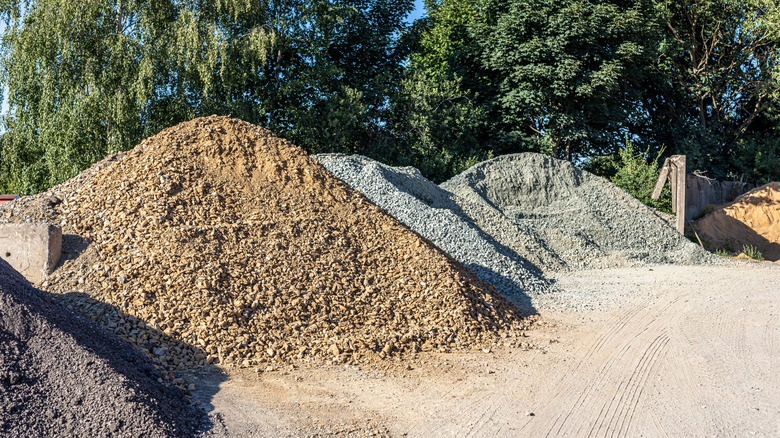
Depending on how you plan to use your garden paths, you may want the comfort and stability limestone provides. For example, if you want to make your garden wheelchair accessible or easy for strollers to navigate, the firm, compacted surface of limestone is a better bet (though limestone's texture may be less consistent especially initially, creating obstacles, while gravel is sorted by size, and fine gravel may work better for wheels). However, stability may not be as important to you, and there are a few other significant differences to keep in mind before using gravel in your next landscaping project.
Because it compacts harder than gravel, limestone makes it easier to keep your gravel areas weed-free. Besides saving your back, this contributes to a more polished appearance. Limestone comes in a myriad of earth tones, and has something of a stylish, visual appeal. Gravel can provide bright white to muted gray tones, and may feel either a bit more institutional or rural. Limestone is ideal for Mediterranean styles or minimalist designs, while crushed rock gravel can give a clean, park-like vibe. Another challenge with limestone is that the same dust that helps bind pebbles can create an issue during hot, dry summers. While limestone is more expensive than most crushed gravels, both tend to be cheaper than concrete or asphalt, with no risk of cracking or warping. By having a solid design and understanding your intended uses, you can choose the best material for your garden pathway.