

Some States Are Set To See Heavy Snow This Winter. Here's How It Can Help Seeds Germinate
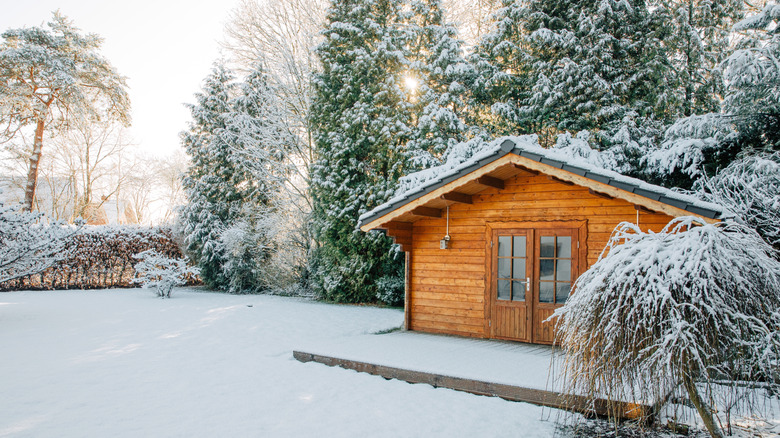
Winter is approaching quickly, and plenty of places are already seeing snow. While some plants need protection from snow damage, cold weather can actually be beneficial for certain parts of your garden. The seeds of certain plants need a period of cold, often combined with moisture, to properly germinate. If you're interested in using snow to plan your spring garden, it helps to understand how cold stratification works.
Cold temperatures are how certain seeds know when to begin germinating, in a process called stratification or cold stratification. A cold winter (often with periods of snow and consistent moisture) sets the baseline so that when the weather gradually begins to warm back up, those seeds sense that spring is coming and it's time to start germinating. While you can mimic these conditions indoors, winter weather can do the work for you. As an added benefit, when the snow melts it provides your seeds with plenty of water to help jumpstart their growth. To take advantage of these benefits, plant your seeds before the ground fully freezes, or sow them in containers that can be left outside in the snow over winter.
Which seeds need cold weather to germinate (and which don't)
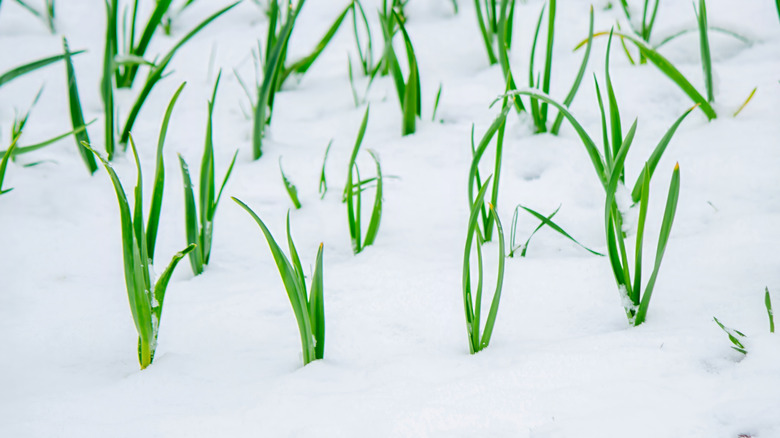
Before you start planting, check whether the seeds you're choosing really need to be stratified. Some plants, especially those from warm or dry climates, can be harmed by freezing temperatures and winter exposure. Knowing your USDA hardiness zone helps, as even cold-weather-tolerant seeds have limits. A plant that tolerates mild winter chill in parts of Arizona might struggle under heavier snow or prolonged freezing further north.
Focus on seeds that are native to your region, as they're naturally adapted to local winters. Native plants that release their seeds in fall or early winter are especially good candidates for winter sowing, because you're mimicking their natural process. If you want to grow non-native plants, double check the seed packet's sowing guidelines and hardiness zone recommendations. Seeds from plants native to colder or mountainous regions tend to do better in winter sowing. Avoid tropical or cold-sensitive plants, since heavy snow, frost, or extended freezing might damage or kill seeds or seedlings. Plants that drop their seeds earlier in the year are also unlikely to be adapted to winter conditions, so they may not germinate properly after freeze-thaw cycles.