

How To Determine The Best Paver Thickness For Your Outdoor Project
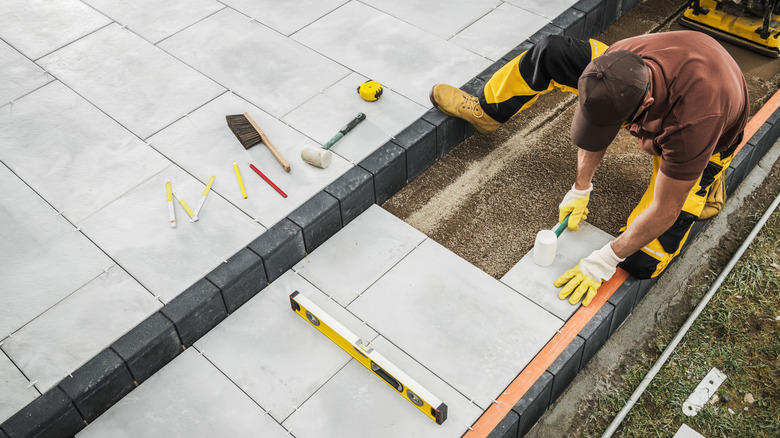
If there is one foundational building material that will truly take your outdoor landscaping projects to the next level, it's pavers. Available in many styles, textures, and sizes, pavers create the base for inviting outdoor spaces like patios, walkways, and driveways. However, one of the major considerations you need to make before you start any outdoor project with pavers is to determine which thickness is right for the type of work you are doing.
There is not one universal type of paver for all projects. All pavers – whether brick, slab, rounded, or trapezoidal – come in a range of different thicknesses. The general rule of thumb is that the thicker the paver, the more weight it can take. This is important, as the weight-bearing requirements of your project are going to directly dictate the thickness of the pavers you choose.
This is critical for the overall success of your project. If you choose pavers that are too thin for the weight they'll bear, they can crack and compromise the entire project. Making sure you have the right paver for the job will ensure the project's longevity, the overall quality of the build, and your peace of mind.
Paver thicknesses and their uses
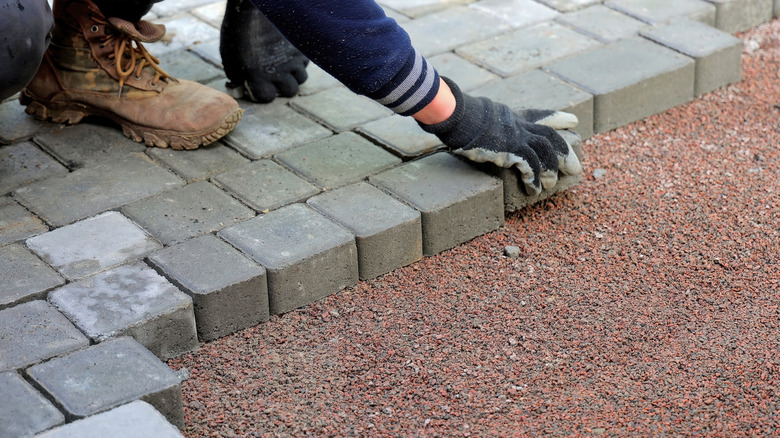
It is important for you to know exactly what kind of weight requirements your paver project is going to need before you can determine the thickness of the pavers. Paver thickness typically ranges from 40mm to 80mm. For projects like pathways, garden stepping stones, and small patios, pavers in the 40 to 50mm range should be sufficient. They are easy to install, lightweight, and will stand up to light to moderate usage.
For areas that will experience more traffic or heavier loads, choose pavers that are 60mm or thicker. If you're paving something like a larger patio that will see a lot of foot traffic or a driveway that sees a common amount of traffic, a 60mm to 80mm thickness will do the trick. However, if you really want to play things safe, go for the 80mm thickness. Not only are these more resistant to the usual wear and tear, but they can sustain incredibly heavy loads without cracking, deforming, or loosening.
Naturally, budget and aesthetics are going to play a huge role in your decision-making. However, making sure you really take the time to consider how much your paver project is going to be used and the weight it will be subjected to is going to help ensure you are using the right pavers for your project. And that single decision can help your patio, walkway, or driveway last for years to come.