

The Beautiful Blooming Perennial To Plant In November For A Lush Spring Garden
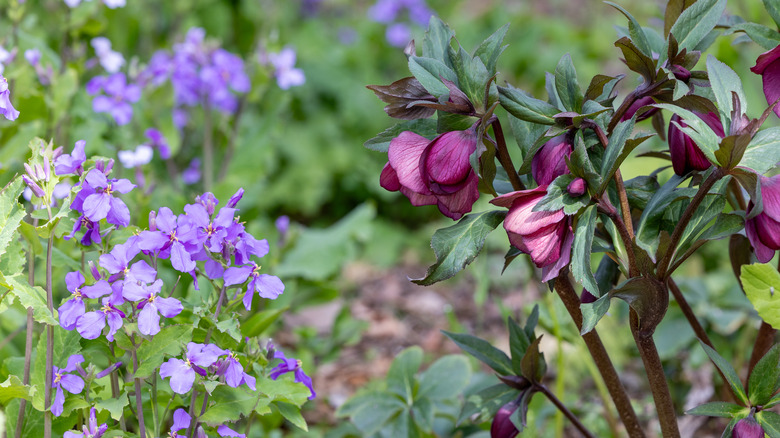
Fall planting is the key to achieving a vibrant spring garden. While most gardeners think about planting spring bulbs in the fall, there's another flower you might be missing out on. Hellebores, also called Lenten roses, are stunning perennial flowers that bloom in late winter and early spring. Their evergreen foliage and delicate-looking (but surprisingly hardy) flowers are perfect for bridging the gap between fall and spring.
While you can plant hellebore seeds in spring or summer, they're slow to germinate and can take a long time to mature enough to bloom. Mature hellebore plants that are ready to bloom can be planted in late fall to early winter. November is a great time to plant them in most climates. The heat of summer has fully passed, but the ground isn't frozen yet. Depending on where you live, the hellebore may already be in bloom. That's great, as it not only proves the plant is mature enough to do so, but you also get to see what the flowers look like before you plant it. Don't worry about the flower wilting right after planting. Hellebores are long-blooming plants that will keep their flowers for the rest of the season.
How to plant and care for hellebore plants
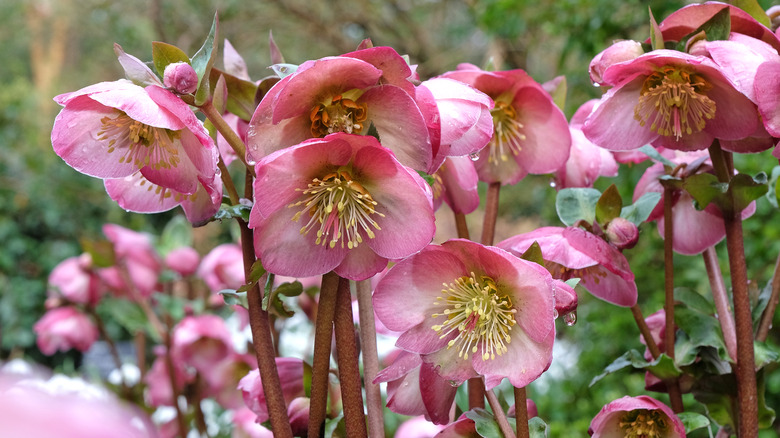
In general, hellebore plants are hardy in USDA zones 5 through 9, but some varieties do well as far north as zone 3. Choose a planting site that has full shade to partial sun, and rich, well-draining soil. Hellebore are better suited to cold than heat, so if you live in a more southern region be sure to give them ample shade. In northern regions, you can plant them in more sunny areas for better flowers, although they will still tolerate the shade. Additionally, they can be damaged by high winds. If you live in an area prone to heavy winter storms, plant them somewhere sheltered. An easy way to protect your plants from wind is by planting a natural windbreak.
Once planted, hellebores don't require a lot of effort. They appreciate regular watering but can tolerate droughts. Hellebore are generally resistant to pests and diseases, including deer. While they aren't heavy feeders, a slow-release fertilizer during their blooming season can help them look their best. It's important to note that hellebore plants are toxic if ingested, so keep these beautiful perennials out of reach of children. While they're gorgeous on their own, they also pair well with other hardy shade perennials. Hostas, coral bells, and ferns like the gorgeous color-changing autumn fern are great choices.