

When You Get Bitten By A Tick, Here's What Could Happen To Your Body
We may receive a commission on purchases made from links.
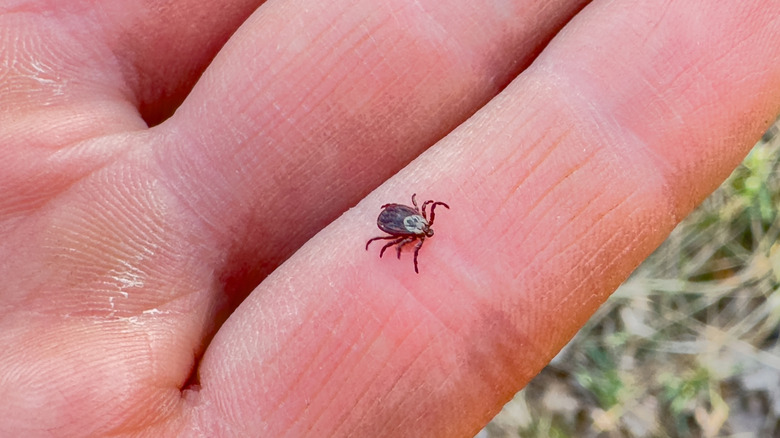
Nothing can ruin a beautiful day spent out of doors than finding a tick attached to your body. Ticks are common all throughout the United States (and much of the rest of the world), with common species including the brown dog tick (Rhipicephalus sanguineus), the lone star tick (Amblyomma americanum), the Gulf Coast tick (Amblyomma maculatum), and the black-legged tick (Ixodes scapularis), also known as the deer tick. According to recent statistics, as many as 31 million, or 10% of all Americans experience tick bites in a given year. This begs the question: what can happen to your body when you are bitten by a tick?
Ticks have a reputation for spreading a host of dangerous diseases, including the likes of Lyme disease, heartland virus, and Rocky Mountain spotted fever. It is important to note, however, that not all tick bites carry bacteria or cause infections. In fact most only cause a slight redness or swelling at the bite. Yet, there are still symptoms that occur in your body when a tick bites you that you need to be aware of. It is important to know when a tick bite is more than just an inconvenient pain. Knowing the signs is key to preventing any lasting damage caused by these parasitic arachnids.
How tick bites happen

Before we get into the nitty gritty of what goes on inside of your body when you are bitten by a tick, it is important to know exactly how tick bites happen to begin with. Tick bites occur when the tick latches itself onto a host and begins to feast on the host's blood. They are very much like the equally reviled mosquito in this regard. Where mosquitoes move on quickly after they're done feeding, once the tick latches on, it's there to stay.
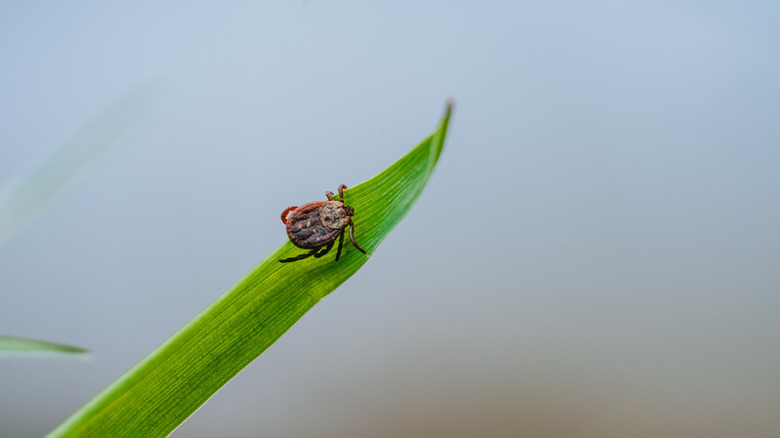
Now it's not like a tick is intentionally hunting you down. Quite the contrary: Ticks tend to live in areas where they can be well concealed, such as tall grass, shrubs, leaf litter, and tree branches. They remain hidden until the host brushes by them, at which point they very quickly latch on and begin looking for skin to bite into. If you've seen a tick perched on top of a blade of tall grass, you'll see them reaching their front legs out just hoping to hitch a ride on their next meal. If you've ever hiked through an area of thick vegetation, or have spent several hours outside cutting back your landscaping, there is a high likelihood that you have disturbed several ticks and that one has latched onto you.
Ticks, and therefore tick bite regularity depends a lot on where you live. The northeast, for example, is prime tick territory thanks to the fact many of the tiny arachnid's hosts thrive in the fragmented forests found throughout the region. An uptick (pun intended) in bites over recent years is also attributed to climate change and changing environments. The species of tick and how long it has been attached to you will indicate the potential severity of your reaction.
Treating tick bites
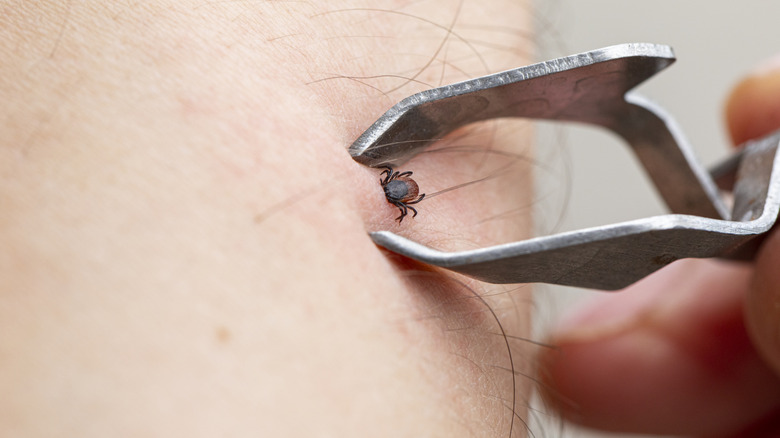
If you find you have been bitten by a tick, proper and early removal is your best bet at preventing any kind of pathogen transmission. Whether you have a tick key or a handy set of tweezers, clasp the tick at the point closest to the body, and pull away slowly until all of the arachnid is removed. After you remove the tick, wash the area thoroughly with soapy water and rubbing alcohol or iodine scrub.
Have a clear plastic bag available to store the tick in once it has been removed (you can stick it to a piece of clear packaging tape also, if you don't want it crawling around). This will be important to show your doctor in order for them to assess the type of tick and the potential for pathogen transmission. You do not immediately want to go out and request antibiotics, as you don't know if the tick has passed anything onto you. A general rule of thumb is if the tick has been attached for less than 24-36 hours, your chances of catching an illness are very minimal. Continue to monitor any symptoms for about a month, but in general, quickly removing the biting interloper is your best, first, strategy for staying healthy.
The following scenarios are meant as a way of educating you on the potential effects a tick bite could have on your body. While it can feel scary, the potential of a tick bite should not keep you from enjoying the outdoors. The more you know how to prevent and deal with tick bites, the better your outdoor experiences will be.
Minor signs and symptoms
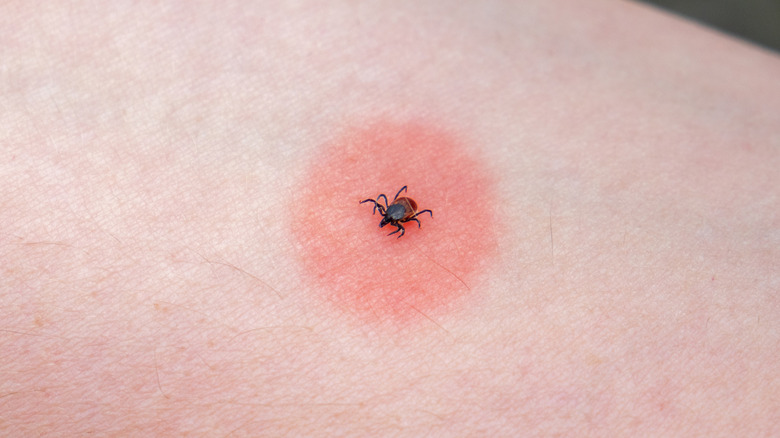
While no one wants a tick biting them, the relative good news is that the majority of them are painless and come with only minor irritating symptoms. Unlike mosquitoes or horseflies, tick bites don't announce themselves with a stabbing pain. Instead, the tick's saliva numbs the skin, so you might not even know you have a tick attached to your for quite some time. This is cause for concern, however, because the longer a tick remains attached to you the more likely it is to pass on any pathogens it might be carrying.
Still, whenever a tick bites you, your body is going to react immediately. Initial reactions will include redness at the bite site, minor swelling, and soreness in the area. It may also become quite itchy, and there is the chance of potential localized allergic reaction. While this is far from comfortable, it's not anything that requires major medical care (though you should definitely keep an eye on things like the bite site and your temperature).
Obviously all of this happens once the tick has been properly removed from your body, or detaches on its own after its had its fill. You can expect these symptoms to stick around for a couple of days or even a few weeks. If your symptoms don't get any worse during that time frame, you're in the clear.
When to be concerned
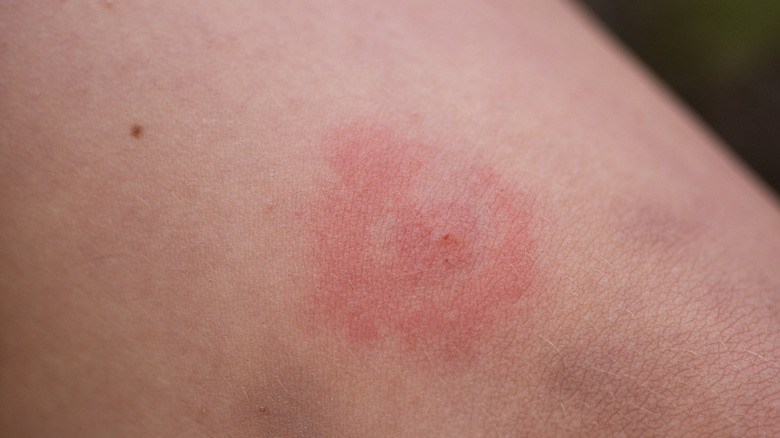
While minor tick bites will sort themselves out in relatively short periods of time, there are nevertheless concerning signs you need to watch out for. When a tick passes along a pathogen — i.e. a bacteria, parasite, or virus — your body's reaction is going to be much more intense and severe. The most noticeable of symptoms would be the rash area that the tick leaves behind. If this continues to get bigger and more irritating, or spreads to other parts of your body, it is an early sign that something more serious is going on.
Flu-like symptoms are also indicative of your body fighting something nefarious. Fever, chills, headache, fatigue, and muscle ache can all coincide with the rash. There can also be signs that the bite has become infected, such as the location of the bite changing color or oozing odorous discharge.
Another cause for concern would be if you were not able to get all of the tick out of your skin when you removed it. The ticks head can detach from the rest of its body and remain lodged inside of you. While this does not tend to increase the chance of a tick-borne illness, it can lead to a potential skin infection. This is why it is vital to remove every part of the tick from your body, and consult your doctor as soon as possible.
Symptoms of Lyme disease
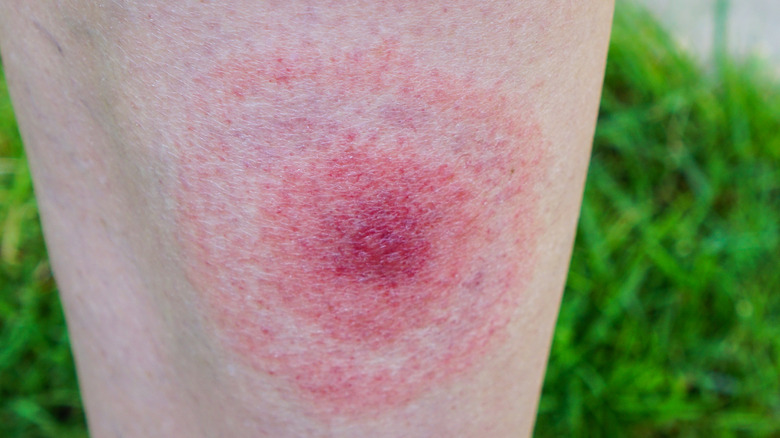
There are a number of specific illnesses you can potentially receive when you get bitten, beginning with the most well-known tick-borne illness of them all: Lyme disease. This disease is caused when borrelia bacteria is passed into your bloodstream via a tick bite. Ticks, especially black-legged ticks (also called deer ticks), will pick up this bacteria from the rodents and deer whose blood they feast on. They then pass it along to humans via their saliva entering your blood stream upon a bite. This is one where geography plays a big role: The bulk of infected ticks are located in the Northeast, Mid-Atlantic, and north central U.S., though cases have been identified as originating in the Pacific Northwest in recent years. Black-legged ticks in the Southeast seem not to carry the bacteria.
The biggest symptom to watch out for when it comes to Lyme is the large, bullseye rash that forms around the bite site. Other symptoms include fever, increased heart rate, potential paralysis, and swollen lymph nodes. It is important to note, also, that a rash does not always occur when Lyme disease bacteria is present in the body. This is why it is always best to consult your doctor early on and start treatment as soon as possible.
If you opt not to have your Lyme disease treated, many of the aforementioned symptoms can continue throughout your lifetime. Rheumatoid arthritis is a possible side effect of untreated Lyme disease, as are conditions like brain fog and fatigue. However, it's imperative to do your research and receive multiple opinions. Long-term Lyme disease is difficult to accurately diagnose and some common treatments are considered ineffective or inappropriate.
Symptoms of Rocky Mountain spotted fever
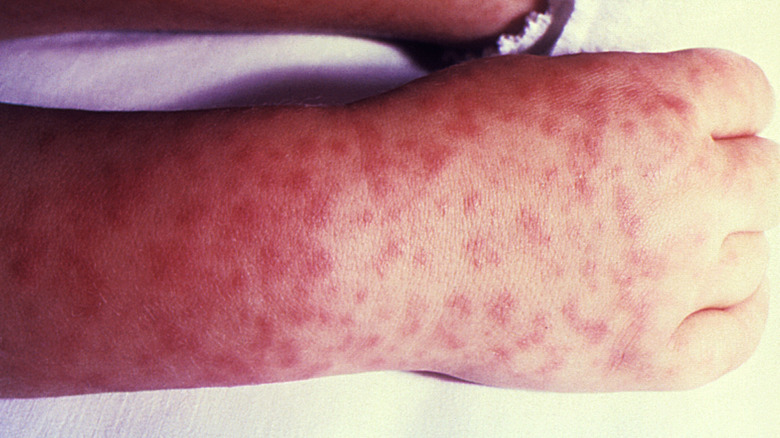
Rocky Mountain spotted fever (RMSF) is another common tick-borne illness that, while similar to Lyme disease in many respects, can be far more dangerous. RMSF is spread primarily through the brown dog tick and the Rocky Mountain wood tick (Dermacentor andersoni). The name is derived from the fact that this particular tick-borne illness was first discovered in the Rocky Mountains, though its spread is primarily east of the mountain range into the Southeast. Once again, the bacteria (Rickettsia rickettsei) is introduced to the human body via a tick carrying it from a previous host.
Many of the symptoms of RMSF present themselves similarly to Lyme disease. Fever, nausea, soreness, muscle aches, and chills are all common occurrences. However, it's the rash that will really let you know if you have RMSF or not. The rash develops 2 to 3 days after the fever begins, and presents itself as splotchy spots that spread throughout the body. Unfortunately, because this rash shows up so late in the game, RMSF is often very difficult to diagnose.
The long-term health issues caused by RMSF are indeed quite severe. The rash can cause blood vessel damage, which can lead to amputation of limbs. Hearing loss, brain malfunctions, and even death have resulted from bouts with this disease. This is why you need to seek treatment (usually specific antibiotics) as soon as possible if you think a tick might have passed something along to you.
Symptoms of anaplasmosis
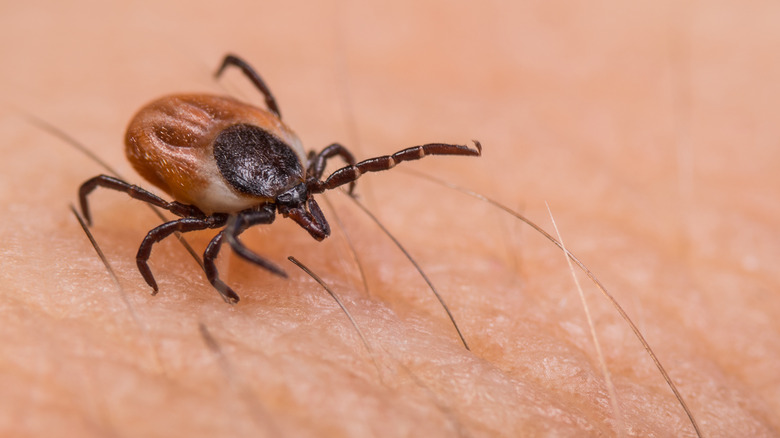
If there is one tick that has a more notorious reputation for spreading more illnesses than any other, it is the black-legged tick. Also known as the deer tick, these arachnids are identified by their small size, long black legs, and reddish abdomens. They are known harbingers of Lyme disease, babesosis, Powassan virus, and hard tick relapsing fever. Black legged ticks also carry the bacteria known as Anaplasma phagocytophilum which causes the illness anaplasmosis.
This disease is exceptionally tricky to catch early. Unlike Lyme disease, the symptoms of anaplasmosis don't show up right away. There is no obvious rash associated with it, and you could easily be lulled into a false sense of security in thinking your tick bite didn't yield any illness. In fact, anaplasmosis symptoms don't show up until a week or two after being bitten. Fever, chills, severe headaches, malaise, nausea, and vomiting are all common symptoms of anaplasmosis.
Things can get more serious depending on your age and the strength of your immune system. Generally speaking, those over the age of 60 with compromised immune systems are most at risk for more serious cases of anaplasmosis. Severe symptoms of this illness include organ failure, and even death.
Symptoms of heartland virus
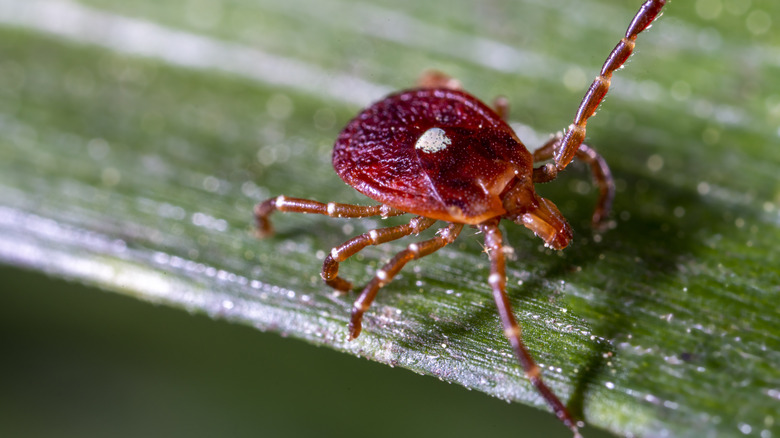
While it's name might suggest that they live only in Texas — and believe us there are plenty of them there — the lone star tick actually has a spread throughout the southern, midwest, mid Atlantic, and northeastern United States. This makes it one of the most widely distributed ticks in North America. Lone star ticks are highly aggressive towards humans and love to bite. The females are easily recognizable thanks to the distinctive white dot (lone star) on the back of their reddish abdomens. They are the only ticks currently known to spread heartland virus.
While heartland virus has become an extremely common tick-borne illness, it is by far the mildest we've seen so far on this list. Symptoms for it include the usual fatigue, nausea, fever, and intense joint pain. It's also relatively rare: Only about 60 cases total have been reported as of 2022. This does not mean, however, that it should not be taken as seriously as the others. Even mild cases can turn into severe flus which could easily send a bite victim to the hospital.
It is worth noting that because heartland virus is a relatively new discovery — the first human case occurred in 2009 — that no medicines currently exist to treat it. This means that the commonly prescribed tick bite treating antibiotic of doxycycline will be ineffective.
What is tick paralysis
Tick paralysis is by far the rarest and most puzzling of tick-borne illnesses. Though it is a common issue for livestock around the world, tick paralysis in humans is relatively rare. It's not known exactly how this happens, but it is believed that a toxin passed through the saliva of an egg-laden female tick upon skin penetration is the cause of it. Cases usually occurs in children under the age of 10, and the symptoms can be seriously concerning for parents.
Almost all of the species of tick found in the United States can cause tick paralysis. Unlike the other illnesses we've listed here, tick paralysis occurs while the tick is still attached to the body, usually around day 5 or 7, which is when it is believed the toxin is most potent. As such, the toxin can cause paralysis in joints and limbs, causing the victim to become immobile. This can be exceptionally scary for any parent to witness, but there is good news.
Tick paralysis sorts itself out once the tick has been detached from the body. It takes about 24 hours for the toxin to wear off, but victims should be able to move again after this time frame. This is not to say that cases cannot become severe. Indeed, if the tick is never discovered, permanent damage and even death can occur. So, like all other tick-related illnesses, don't take this one lightly.
How to prevent tick bites

The biggest and best way to prevent any of the previously mentioned tick-borne illnesses is to make sure that these critters don't get to you in the first place. There are a lot of things you can do to prevent getting a tick bite. In fact, tick bite prevention is something anyone who spends any amount of time outdoors should be concerned with. Whether you're a hiker or have a Japanese barberry plant in your garden, you need to be aware of methods you can utilize to prevent tick bites.
Tick prevention begins well before you head outside. Choose long, brightly colored clothing. Long sleeves and pant legs will help keep the ticks off of your skin, and lighter colors make their dark bodies a lot easier to spot. It might also be a good idea to pre-treat your hiking gear with repellents like Off! tick repellant spray, and consider insect-repellant clothing factory-treated with permethrin.
On the trail, do your best to keep away from areas of thick vegetation by sticking to the middle of the trails, and avoid crashing through leaf piles or tall grasses. When you get home, do a thorough check of your body and gear for ticks, shower, and wash your clothing and hot water to kill any lingering ticks. Also be sure to check any pets or children who have been outdoors with you.