

The Cover Crop That'll Thrive Even During The Freezing Winter Months
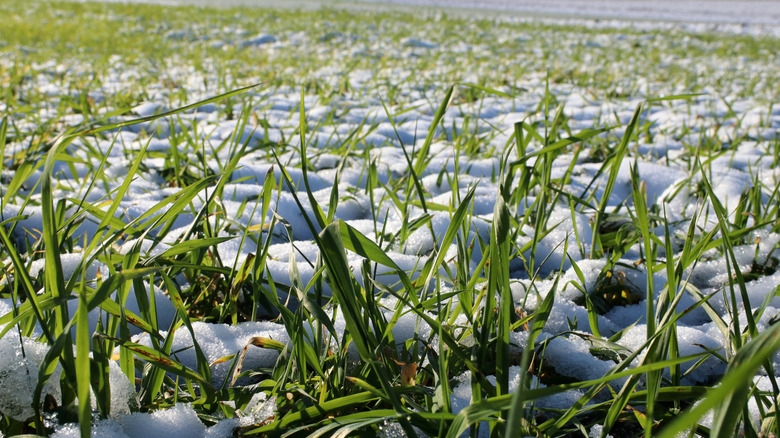
Freezing temperatures and even snow are already prompting gardeners and farmers in northern climates across the United States to begin wrapping up their growing seasons. However, working on your garden beds in the fall and winter can help set you up for a more successful growing season next year. In fact, planting a cover crop such as winter rye or cereal rye (Secale cereale) can be done through November in most U.S. regions. Winter rye is like the buffalo of annual grasses — hardy enough to thrive and grow through winter, enriching your soil until spring.
Cover crops are a beneficial gardening and farming strategy. In the case of winter rye, its deep roots anchor the soil and prevent erosion from harsh winter winds, snow, and heavy rains. As a fast-growing grass, it suppresses weeds and captures excess nitrogen, preventing nutrient loss from rain and snowmelt. In the spring, rye grass can be cut and used as a mulch to help your summer crop of strawberries be plump and hydrated.
No-till growers favor winter rye because its prolific roots prevent compaction and aerate the soil. You can also rip it out and use it as a carbon source for your compost, or dig it into your soil as green manure. Just make sure to remove or cut it out before the rye flowers and seeds appear, or it will continue to germinate in your garden.
Sow in the fall, tear it out in the spring
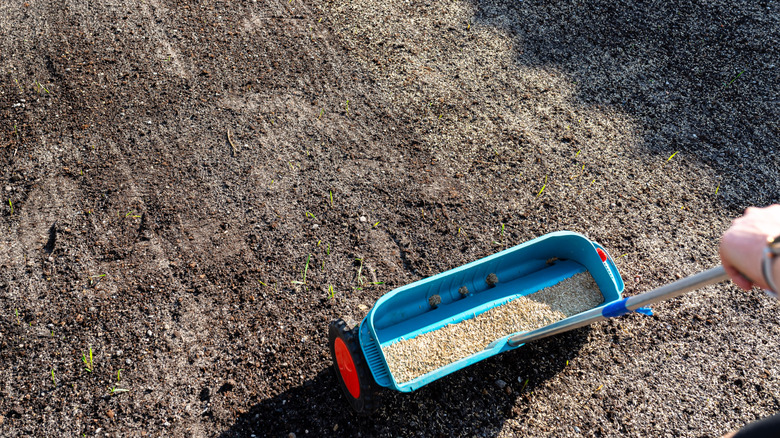
This grass is truly hardy — its seeds can germinate in soil temperatures as low as 33 degrees F, and the mature grasses can tolerate temperatures as low as -30 degrees! However, the seeds are more sensitive to planting depth, so try to sow them no more than two inches down. Plant winter rye after your summer crops have finished and before your soil is frozen solid. Once germinated, rye grows through winter, taking advantage of warm spells and midwinter thaws.
Rye can also handle sub-par soil conditions, such as dense clay or droughty sandy soils, as well as low-fertility soils. For improving soil, pair rye with nitrogen-fixing cover crops for an effective winter strategy. A cover crop blend of winter rye and a nitrogen-fixing species, such as vetch or crimson clover, is a common combination for improving soil over the winter.
When spring arrives, your winter rye will need some attention. When the rye is still succulent and green, and not yet flowering, or about 12 to 18 inches tall, pull it up, till it under, or cut it down. With proper timing and management, winter rye acts like a burly winter coat, protecting and enriching your soil for a more fertile growing season ahead.