

What Is Hydrozoning, And Why Should You Incorporate It Into Your Garden?
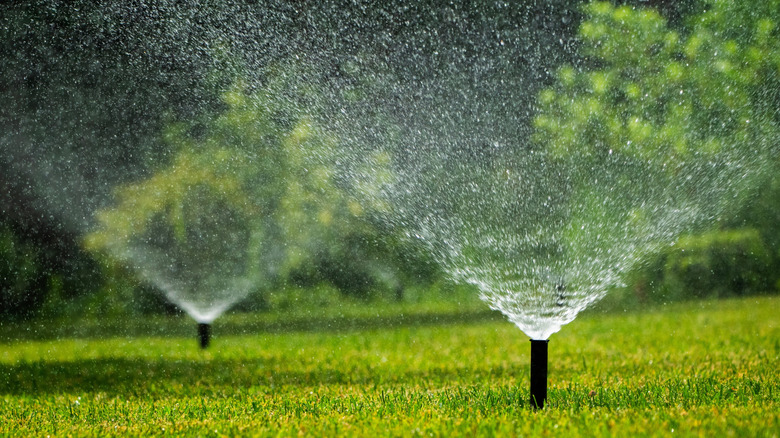
Most gardeners know how important it is to pay attention to sun and shade requirements when choosing the best spot in the yard for plants. But if you want to conserve water while still enjoying the benefit of healthy lawns and gardens, there's another practice to consider. Hydrozoning takes landscape planning a step further by grouping plants with similar water requirements. While this strategy is sometimes overlooked, it can be one of the easiest ways to reduce water use in landscaping.
Across the United States, communities are struggling with water shortages. Even if you live in an area with an abundant water supply, you may be taking steps to lower your monthly bill. Whether you're considering clever alternatives to grass, using drought-tolerant plants, or creating water-free areas in your backyard, hydrozoning is an effective landscaping design strategy that brings it all together.
While hydrozoning is primarily about placing plants with similar water needs together, it's also about paying attention to factors like sunlight and soil. Sandy soils require more frequent watering, while certain parts of your yard, such as near downspouts or areas where driveway runoff collects, may require less. The grass lawn on the shady side of your house needs less water than the patch of grass in your sunny front yard, and keeping these areas in separate zones allows you to manage your water usage while still having the best-looking lawn in the neighborhood.
Hydrozoning delivers big wins for your garden
According to the Environmental Protection Agency, outdoor water use for homes in the United States accounts for about 9 billion gallons of water per year. About half of that is wasted through improper watering and poor landscaping designs. Hydrozoning fixes this problem by preventing overwatering, which leads to other issues like runoff and erosion. With this method, mature trees get the deep watering they need while shallow-rooted plants receive shorter, more frequent irrigation.
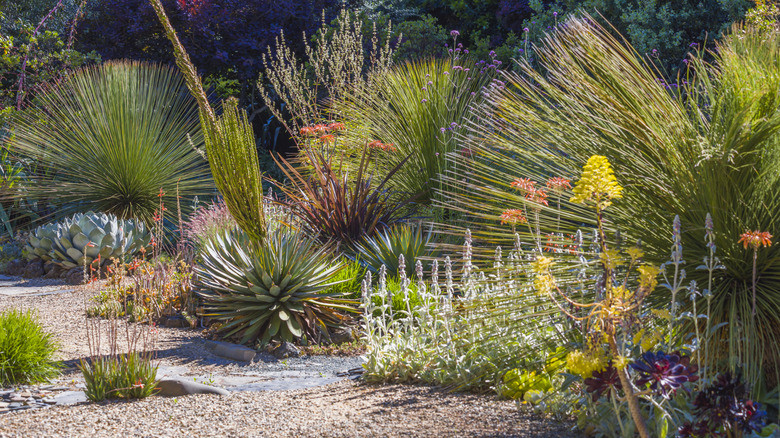
Through efficient watering, hydrozoning lowers your water bill and conserves water. However, sustainability isn't the only reason to use this strategy. Hydrozoning also improves plant health and creates a more resilient landscape. This planning tool takes into account that your succulent garden has different watering needs than the neighboring lawn. Even if they are in close proximity, they can both get what they need by being in separate watering zones.
Hydrozoning goes a long way toward making it easier to create a low-maintenance oasis in your backyard. Overwatering or underwatering your plants stresses them, and they're more likely to develop diseases and attract pests. With hydrozoning, your plants receive just the right amount of water to develop strong root systems and flourish. They're better able to withstand heat waves and droughts, and they produce more fruit and blooms. By employing hydrozoning irrigation techniques, you'll spend less time with maintenance and watering, and more time enjoying the beauty of your yard.
How to get started with hydrozoning
Most of us already have established yards, and while it's easier to get started with hydrozoning when you have a blank slate, a thorough assessment is always the first step. Start by considering what plants and features you want, where the sun shines the most in your yard, and how factors like soil type and slope impact watering requirements. You should also consider microclimates, including shady areas and windy spots.
Each part of your yard will fall into a different hydrozone type, which you can map to determine the best watering zones. You will have areas that you water routinely, those that can go a week without water, and zones with native plants that only require watering after a long dry spell. Other areas may not need any irrigation at all, including patios, seating areas, and gravel pathways. In fact, using gravel in your landscaping projects is one way to conserve water in your yard and add more non-irrigated areas.
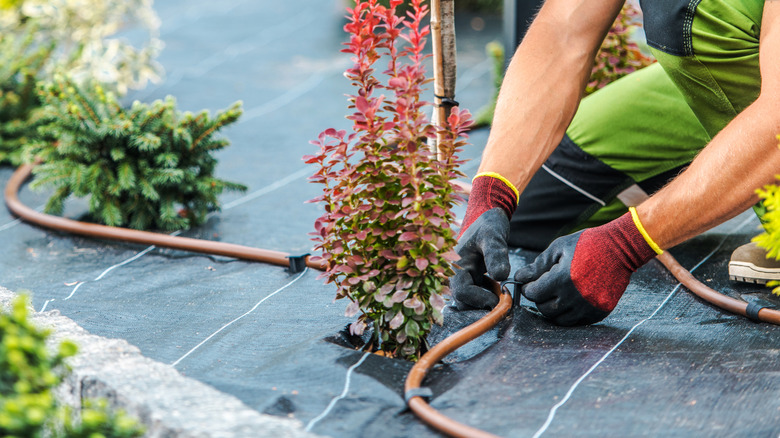
Once you have the hydrozones mapped out, decide whether to use drip irrigation or a sprinkler system for each zone. Trees and shrubs can be included in the same watering zones, but it's best to use sprinklers for lawns that need frequent watering. Group perennials, annuals, and bulbs based on their water and sunlight needs. A drip irrigation system will deliver water directly to their root zones when they need it. Once your watering zones are established, you'll spend less time troubleshooting plant stress and more time enjoying a healthier, low-maintenance yard.