

How To Choose Between WPC And Plastic Lumber For Your Backyard Fence
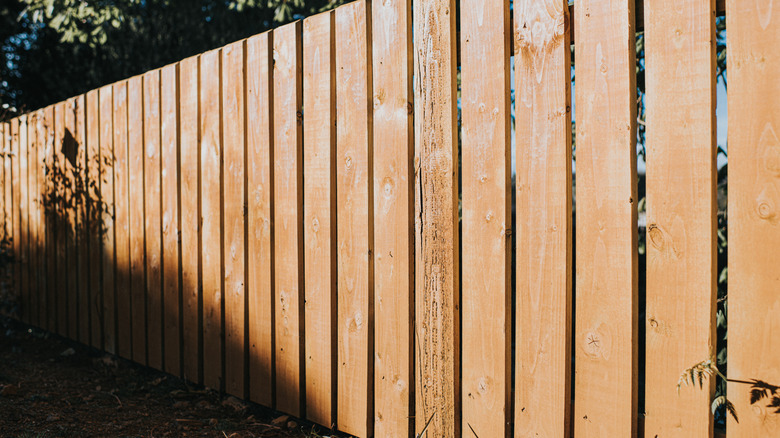
Building a new fence takes a bit of planning. You have to choose the design you want and that works best for your yard. That process also includes picking the right material. While it may seem like choosing a fence is just about picking your favorite wood, there are plenty of other options available. Two popular alternatives are WPC and plastic lumber.
Before deciding which is best for your needs, it helps to understand the differences between the two. There is a bit of a stigma surrounding plastic fences, which may lead you to favor WPC, but the real differences and benefits of both might change your mind. To start with, WPC stands for Wood-Plastic Composite, and is a blend of wood, plastic, and a few additives, though it's typically made mostly of wood. Plastic lumber, by contrast, is made entirely from solid plastic, and there are various kinds out there. The most common types include PVC (polyvinyl chloride), HDPE (high-density polyethylene), ABS (acrylonitrile butadiene styrene), and PP (polypropylene).
As for which material to choose, that ultimately depends on your needs. The choice depends on your personal preferences and what you want from your fence. Whatever you choose, it's important to feel confident in your decision. Building a wooden privacy fence in your backyard typically costs quite a bit of money, usually at least $2,500, so it's important to have materials that fit your needs.
The pros and cons of WPC and plastic lumber
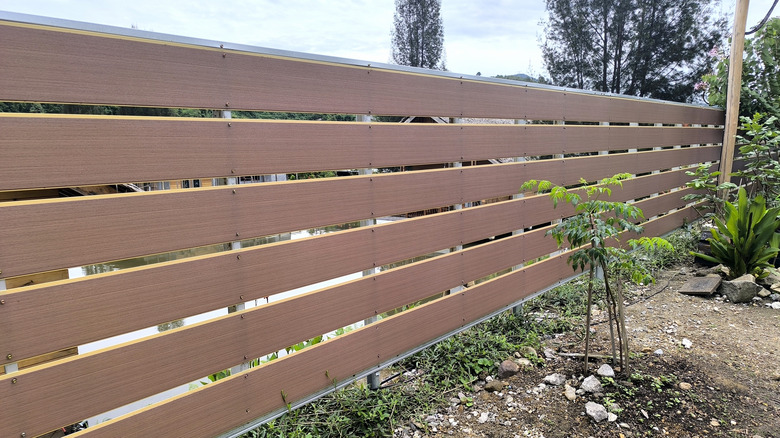
WPC lumber has a few benefits: primarily, it looks like real wood, it can be a little cheaper than plastic, and it's made from recycled material. However, it also has its downsides. It is still able to rot, even if it's not as easy as natural wood. It's also heavier than plastic decking. Because it combines recyclable plastics with renewable wood fibers, it can't always be recycled again.
Meanwhile, plastic lumber is lightweight, recyclable, and resistant to common fence problems — plus, it requires little upkeep. This material comes in a wide range of colors and styles. Though vinyl and plastic lumber are different, they do come in similar options, including colors that allow you to go longer between fence cleaning sessions. But it rarely looks like real wood, is pretty expensive, and doesn't always handle heat well. Additionally, while most of these fences are recyclable, improper disposal can make them less environmentally friendly in practice.
Both types of fencing come with pros and cons. Either one can be great for a backyard, but which one works better for you depends on what you need. If you want something that looks more like real wood, is environmentally-friendly, and cost-effective, then WPC lumber will be the better solution. If you prefer a material that costs more upfront but lasts longer, requires little maintenance, and offers strong durability, plastic lumber is the best option. While both are solid options, there are also other choices for fence material, including wood or composite fencing, which may give you more bang for your buck.