

Why Fall Is The Ideal Time To Plant Perennials In Your Garden
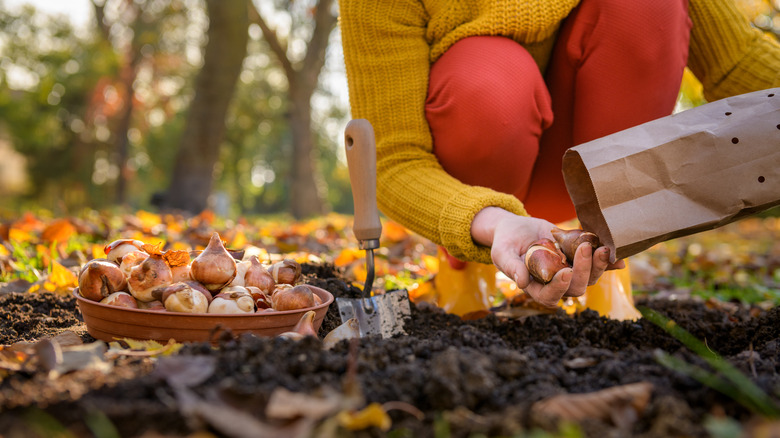
As temperatures cool and leaves change color heading into fall, it may seem like it's time to think about winding things down and preparing the garden for winter. There may be a few veggies left to harvest, or perhaps it's finally cool enough to cut back some dead branches in a backyard tree. But fall is actually an excellent time to plant certain perennials, provided it's done far enough ahead of freezing weather that can make life difficult for a young transplant. For perennial plants that go dormant in winter, such as herbaceous perennials, fall planting gives them time to settle in before winter hits, without having to deal with the heat of late spring and summer before they're well-established. Autumn planting also means more space and less competition from weeds in the garden or flowerbeds, as many of them have already lived out their current life cycle.
Some of the flowers suited for fall planting are absolutely gorgeous, too. Blazing star (Liatris spp.) is a bright purple perennial to plant in late fall or even winter. Many perennial plants that produce spring and summer blooms do well with a fall planting, such as salvia (Salvia spp.), dianthus (Dianthus), or blanket flower (Gaillardia), which attracts butterflies. If you're going for a salvia, Salvia 'Lake Como' will fill your yard with hummingbirds in fall because the upright plant's easy-to-access flowers bloom late in the season, offering a gorgeous blue hue that's generally not so common in a fall garden.
Why you should plant perennials in autumn
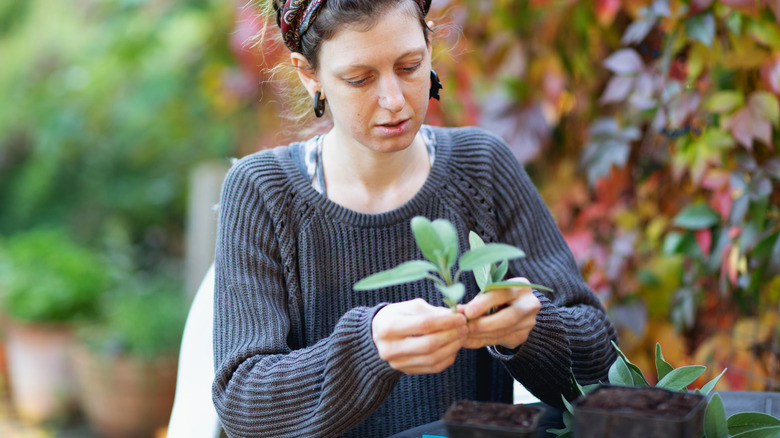
When you plant herbaceous perennials in fall, at least 4 weeks before the first typical frost for the season, it gives the plants time for their roots to establish before winter sets in. With cooling temperatures, the plant focuses on root growth heading into winter before it goes dormant. The result is strong, healthy roots before the next growing season, when it's time for the plant spend its energy on above-ground growth (stems, leaves, blooms, and fruit). Soil tends to hold onto heat a bit going from summer into fall, so conditions are right for new plant roots. Compare that to early spring, where soil may still be cold or frozen. So you may not even realize you're planting too early, which is one of those mistakes beginning gardeners make far too often.
There are other perks of autumn planting. As temperatures cool, especially at night, less water evaporates, which means more moisture retention in the soil, keeping new roots moist as they establish. In some areas, autumn also brings ample rainfall, so there's less need for you to get involved, as new plantings often need more watering. And fall weather swings tend to be more moderate than in spring, at least in regions that typically have snow in winter. During the early spring, it might snow one day, warm or rainy the next, then windy and cold the rest of the week. During the fall, extreme differences are less likely day to day. All in all, these factors make it much easier for plants to establish themselves after being planted in fall.