

Choose The Best Location For Planting Hostas With These Tips
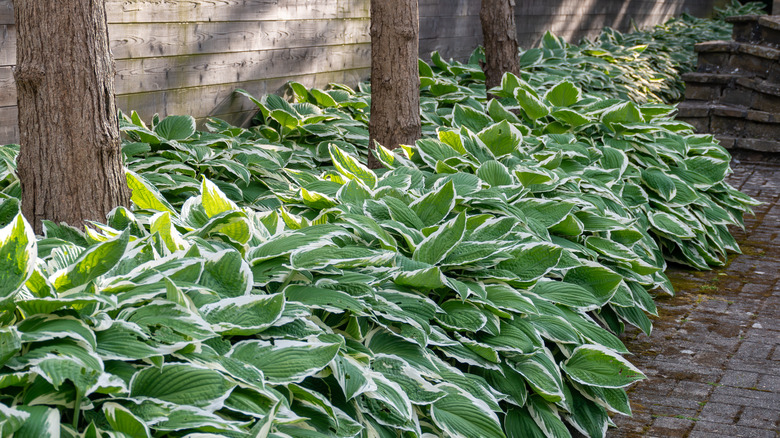
Hostas are an excellent, low-maintenance plant that everyone should have in their garden. Known for their enormous, deep green leaves and tall, white, lavender, and purple flowers, hostas make a welcome addition to any flower garden. However, when it comes to choosing the best location for your hostas, you need to think a little differently than you would with other flowers.
To determine the best spot for your hostas, take a look around your yard and identify areas with moderate shade. This is because, unlike some other plant varieties, like sunflowers, which need healthy amounts of sunlight to thrive properly, hostas prefer very shady areas. Too much sun will affect the hosta's leaves, causing them to lose their waxy coating and burn. This is not to say that hostas don't need some sun. In fact, they prefer a certain amount of early morning light or a bit of indirect sunlight throughout the day to grow vibrantly. Still, the shadier the area, the better it is when it comes to these broad-leafing plants. The north side of your home is generally the shadiest, so it may be best to plant your hostas there.
If you already have a shady spot in your garden, add hostas for a wonderful pop of color and texture. If your property does not have a lot of shade, don't fret. Some varieties of hostas can tolerate more sun than others. While blue hostas require the most shade, gold or yellow hosta varieties, such as Gold Regal and August Moon, can withstand more sunlight throughout the day.
Plan where to plant your hostas
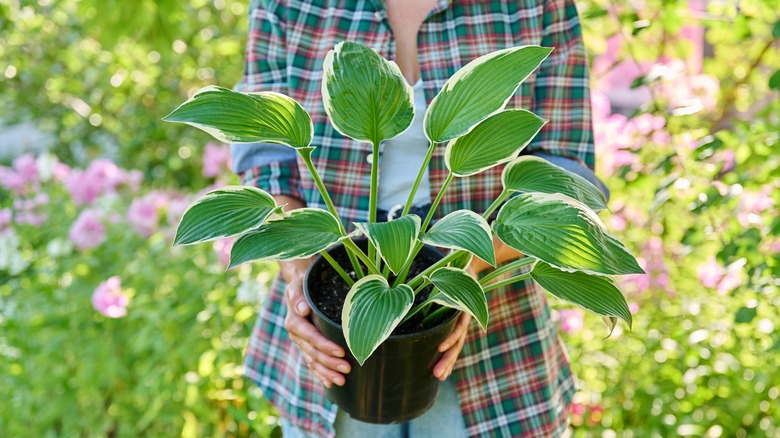
Just as important as shade is planting hostas in an area protected from prevailing winds. Choose an insulated place where you know your hostas will be protected from other potentially damaging weather events, such as wind, snow, hail, and heavy rain. Around the base of a broad tree, or an area protected by natural windbreaks, will be excellent for hosta growing.
In terms of planting, make sure the soil is prepared well in advance with plenty of organic matter, such as compost. Hostas require good nutrition and drainage for optimal growth. If you have thicker, more clay-based soil, you will need to make appropriate amendments to ensure proper drainage so the plants don't get waterlogged. A good layer of top-dressing, like eco-friendly cedar mulch, will also be beneficial.
You also want to allot a good amount of space between your hostas when you plant them. Owing to their large leaves, hostas need space to spread out in order to grow to their full potential and look visually appealing. In general, 2 to 3 feet between hostas will prevent overcrowding and allow the leaves to spread fully.