

Survival Myths To Know Before Your Next Camping Adventure
Survival tips aren't hard to find, and it seems like there's always someone quick to offer their "hard-earned" expertise. Not everything you hear or see in the movies is actually helpful in a wilderness situation, either. Many common beliefs are hardly more than folklore, and relying on false information to get you back to civilization safe and sound can lead to dangerously poor decisions. Even the most seasoned outdoor explorers practice this one vital tip: Ensure someone knows where you're going and when you expect to be back. But that's not to say that a lot won't happen between arrival and departure.
If you love spending time camping, you may just find yourself on an unexpected adventure. Regardless of how well you prepare, some wilderness situations require tried and true methods to get you home safely. Whether you get lost, come upon a toothy predator, or get caught in a storm, knowing the difference between fact and fiction is vital in an emergency. So, stay calm, ditch that dangerous advice, and learn which survival myths you should avoid practicing before you head into the woods.
Myth: You can follow birds to water
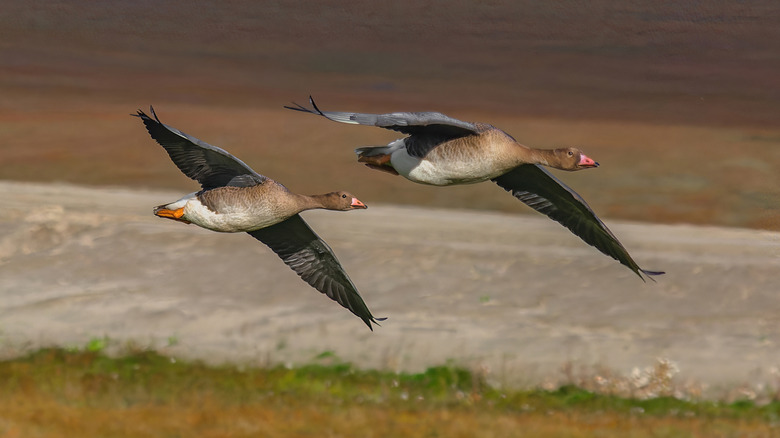
Have you heard of the survival rule of three? These general guidelines prioritize your actions in a survival situation, and one principle suggests that you can make it about three days without water. Unexpected circumstances happen all the time, from container leaks and accidental spills to misjudging how much you'll really need. If you run out of water, you had better have a contingency plan. But is following birds to water really the best option? Maybe. Maybe not.
While there are some debates about the effectiveness of this hack, we wouldn't count on it in a wilderness survival situation. Birds are not always moving toward water, so following them could lead you on a wild goose chase, far away from that much needed hydration source. Yes, it's true that most waterfowl typically stick close to a water source year round, and after foraging throughout the mornings, geese and ducks often rest on the lake's surface around dusk. At any given moment, however, they could be heading anywhere, really. Ducks and geese also roost on land on occasion, especially if it's mating season or they're sitting on eggs. And migrating Canada geese can travel up to 1,500 miles in one day, so following the flock won't get you anywhere you need to be.
Myth: You lose the most body heat from your head
A 2008 study published in the British Medical Journal proved that half of your body heat does not really escape through your head. Yup. Your mom was wrong when she tried to coerce you into wearing that beanie whenever you went outside for winter play. It turns out that only about 10 percent of body heat is lost from your noggin, so even if you do wear a hat, it's not a foolproof strategy for staying warm on your next camping adventure.
As temperatures drop, head cover is certainly going to be helpful, but heat loss happens pretty proportionately across your exposed skin. So, whether you're wearing a swimsuit or jeans and a hoodie, you're going to notice a difference, even if you're not bare headed. This mythical approach to heat loss likely came from the official U.S. Army Field Manual that warns soldiers they can lose up to 45 percent of body heat from an unprotected head. Even though this myth melts under closer scrutiny, frostbite does affect any exposed skin in below freezing conditions, like your ears and fingertips. So, sure — wear the hat. But don't assume that's all you need to stave off the cold in a life-or-death scenario.
Myth: You can drink urine if you're dehydrated
Dehydration is pretty serious, especially when you're lodging in the woods where you may not have access to a reliable water source. Thirst, infrequent urination, and a headache are all signs that you may need more water — and fast. So, what about drinking your urine in a dire circumstance? While at first glance this tip seems fairly reasonable, if your camping trip has gone wrong and you're dehydrated, don't do it. The truth is, you should definitely think twice before tipping a mug of pee down the hatch.
Sipping urine is more than just icky. It's one of the body's primary ways of eliminating waste, so drinking your kidney's toxin dump may actually exasperate dehydration. This golden stream is loaded with salts and minerals and may have a few bacteria and viruses lurking in there too. However, pee does have its uses: If the reason behind your water loss is hot weather, you can dampen your clothing for a survival-style evaporative cooler or use a clear plastic bag of urine as an impromptu magnifying glass to start a fire. And of course, your best option is to always carry a filtration device with you for any available water, like the Sawyer Mini water filtration system.
Myth: Drinking alcohol will help you stay warm
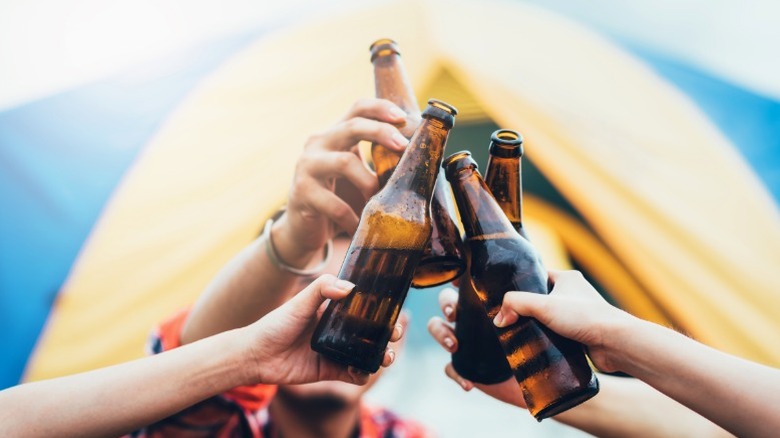
Sometimes what was supposed to be an easy day-hike turns into a crisis situation. As the sun goes down, so does the temperature. When you're miles away from shelter, you need to think about staying warm. But, aghast, you left your fire making equipment back at camp. Good news! There's a couple of whiskey shooters or a beer in your backpack to celebrate that summit climb. Sure, a shot or two you feels like it's warming you up, but drinking alcohol to ward off the cold when you're freezing in the wilderness is a myth. It's possible this tall tale was spurred on by a brave St. Bernard with a brandy barrel around his neck, rescuing avalanche survivors in the Swiss Alps.
As adorable as this iconic image is, there's plenty of science behind this debunk. Booze is a vasodilator and all that alcohol-induced warmth comes from dilated blood vessels and open pores in the skin. But this process actually moves blood away from your body's core, causing you to lose that much needed body heat even faster. This misleading feeling of heat may increase your risk of frost bite and hypothermia, while escalating dehydration. A thermos full of hot cocoa, tea, or coffee is a better liquid to reach for to warm you up from the inside out.
Myth: You can survive for weeks off edible plants
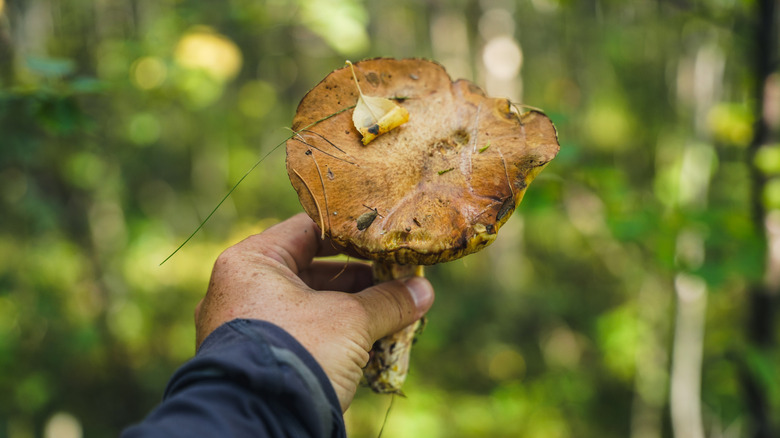
Whether you're planning to gather a dinner of tubers or berries, some plants are edible, and some are quite the opposite. There are tons of tips to safely find edible food in the woods. But if you're really lost, there may be more important things to worry about than whether or not that mushroom is going to cause some nasty gastrointestinal issues. If you're lucky enough to collect enough safe and nutritious plants for one meal, despite the season, climate, and location, it's unlikely you'll be able to survive for long on forage alone. After a few days, weakness will set in and you may start feeling sick enough to want to go home.
Even if you see an animal munching away on some foliage, our biology is different, and some of those plants could be toxic enough to cause a critical emergency. Birds are the perfect example to debunk this myth. Their digestive systems allow them to consume berries that are poisonous to people, like those little purple pokeberries. Squirrels are another commonly found woodland critter that can tolerate foods that we can't, including buckeye nuts. So, what's the moral of this story? Just because you saw an animal eat something, doesn't mean you can do it too.
Myth: You don't need a compass or a map if you have GPS

Getting lost in the remote wilderness is a possibility for every outdoor enthusiast, even for the most experienced backcountry hiker. But what's the best way to navigate your way back to camp, compass or GPS? Sure, GPS is a handy tool, and one you should always have with you when you're out adventuring. But these high-tech devices have their drawbacks in a survival situation. One missed step and they could break in a drop or fall. They also need fresh batteries and a signal to operate.
A good, old -ashioned map and compass may be a better failsafe when you've lost your way. We've been using this equipment for a thousand years or more to get where we're going because it works. But just having a compass and map isn't enough: Learn how to navigate with these tried-and true-methods before you need them, so you feel comfortable knowing you can find your way into and out of an area. You can start with the ultimate beginner's guide to reading a map. Navigation isn't just about knowing where you're headed, either: It's important to know where you are. The moment you realize you're lost, stop and recalibrate. This is where a proper, detailed map (and the knowledge to read it) can become invaluable.
Myth: You should sleep if you have hypothermia
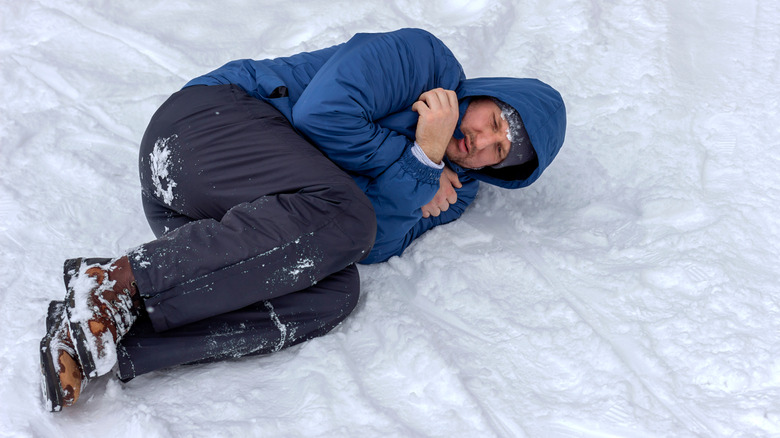
Exploring the great outdoors comes with real risks, especially during the colder months, because of hypothermia. You should know what to do if you get hypothermia, but this is another condition you want to avoid like the plague when camping in the wild. Wind chill and wet clothes are a particularly big no-no. A heavy rain, a fall in the creek, or just working up a sweat while hiking can put you in danger, even when the weather feels mild. Once you start losing heat faster than you can produce it, the real trouble starts. When your core body temperature drops below 95 degrees Fahrenheit, you can do serious damage to your liver and kidneys, have a heart attack, or go into a coma if you don't act quickly.
But is sleeping the best remedy for this potentially life-threatening condition? Absolutely not. This is another survival myth you should disregard right now. This potentially life threatening condition can definitely make you feel drowsy, but you want to do everything in your power to stay awake as you warm up. The first thing to do is change into dry clothes. Try to eat some high-calorie foods in small servings to create metabolic heat that will begin to restore your core body temperature. Wrapping up in an emergency blanket will help, too. But if that fails, ditch camp, and ask for a ride to the hospital.
Myth: Moss grows on the north side of a tree
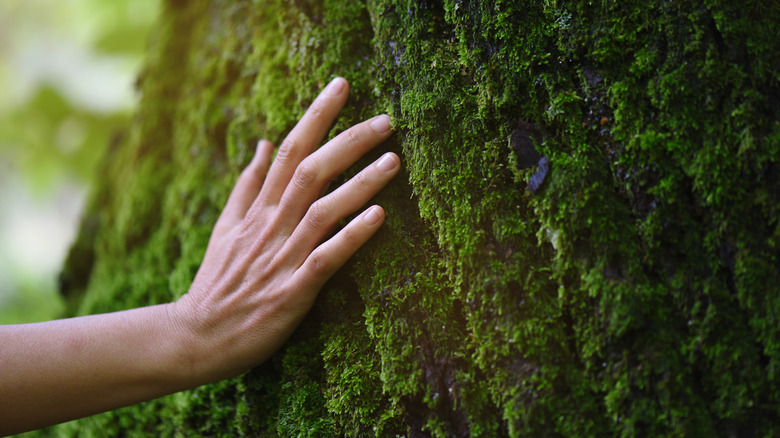
You're backpacking deep in a sprawling wilderness and suddenly you don't know where you are. Well, just look for moss growth, right? Not so much, it turns out. The myth that mossy trees can serve as a natural compass may get you seriously turned around in the woods, as this plant doesn't always grow on the north side of a tree. We can see where this well-intentioned advice came from, though, as instead of traditional roots, this shade-loving plant uses rhizoids to anchor to rocks and bark. So, because the north side of trees growing in the northern hemisphere get less sunlight, this theory must be based in some reality.
It is true that moss thrives in damp, shady spots, sometimes found on the north sides of trees (or, the south side in the southern hemisphere). However, these ideal growing conditions can pop up anywhere, thanks to shade-producing topography, like trees, large boulders, and sloping ground. Depending on factors like sun exposure and moisture, you may find moss on any side of a tree, not just the north-facing part of the trunk. Open growth or dense canopy forests also make a difference, as moss does need some sunlight to photosynthesize. If you're looking for north, or any cardinal direction really, the most reliable methods to use are either a GPS or a compass.
Myth: All you need are some backyard survival skills
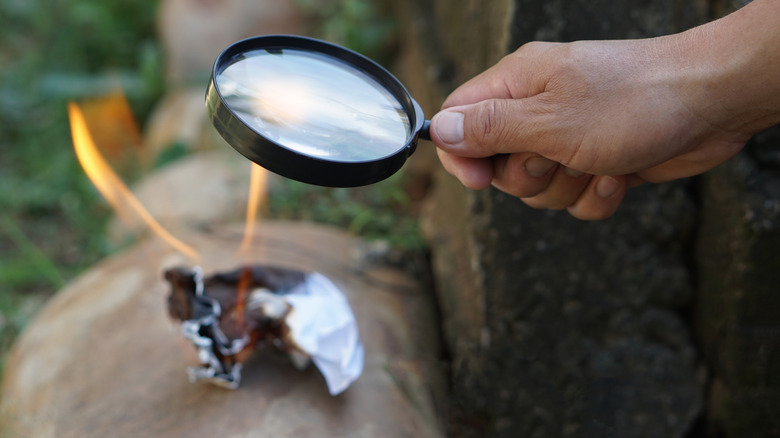
If you spend enough time camping, you're bound to wonder if you have the bushcraft skills and expertise to handle a genuine survival scenario. While many parks and campgrounds have knowledgeable personnel on staff, shelter from the elements, and consistent sources of water, if your adventure takes you out to the wilds, you're on your own. Watching a few YouTube videos about flintknapping and practicing your friction fire starting skills in the backyard are great, but this hobby isn't going to be enough to ensure your survival in a crisis situation. Overestimating your wilderness prowess can put you in real danger.
So, check your ego at the trailhead, because there's a big difference between confidence and cockiness when you need to get home in one piece. There's one thing in particular that can help turn the tables: Staying calm. You don't want to lose your head when things go south, as making rational decisions under duress is the key to weathering the storm. That's a skill that simply takes time and experience in real situations. Of course the most useful survival skill is to do your best to prevent putting yourself in a perilous predicament in the first place. But with little control over Mother Nature, prepare for the unexpected and keep your wits about you.
Myth: Find a cave for shelter and build a fire
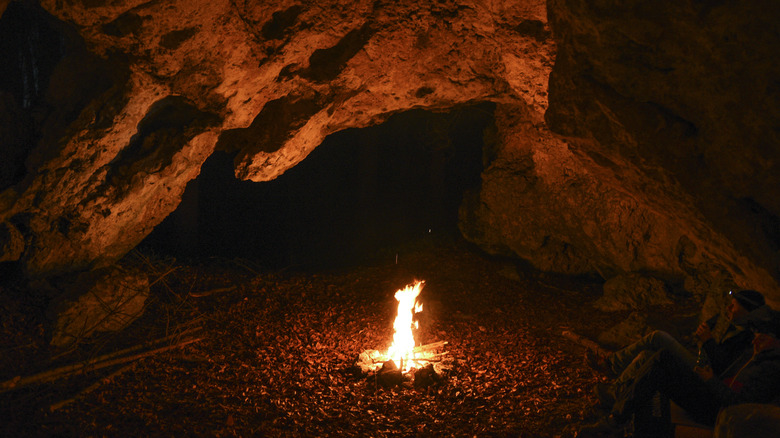
Not all of us outdoorsy folk know how to determine if a cave is a safe place to shelter. But if you're stranded for the night and you happen to come across one, don't rejoice just yet. While it's pretty realistic to expect some benefits from holing up underground (like getting out of the elements), there are dangers beyond sneaking up on a snoozing mountain lion, if you get tempted to cook a hot meal.
If someone tries to talk you into building a fire in the cave, don't. That advice is total hogwash: Never set anything on fire in a small, enclosed space. That smoke needs a clear exit path, and without one, it'll get trapped and head straight for your lungs. We know what you're thinking. What about the mouth of the cave? And Neanderthals did it, why not us? Well, studies show that there is a specific "optimal smoke dispersion" spot inside the cave. But if you don't know how to figure out exactly where to stoke the flames, skip the fire. Smoke inhalation can quickly lead to suffocation, especially if you fall asleep while the fire's still burning. That's not all you should be worried about, either. Heat from your fire may also cause surrounding rocks to expand, increasing the likelihood of a devastating cave in. And if you're trying to escape a lightning storm a shallow cave or gap in the rocks, don't: Lightning can bounce around and sometimes alcoves become attractive landing spots for those bolts.
Myth: You can suck out the venom from snakebites
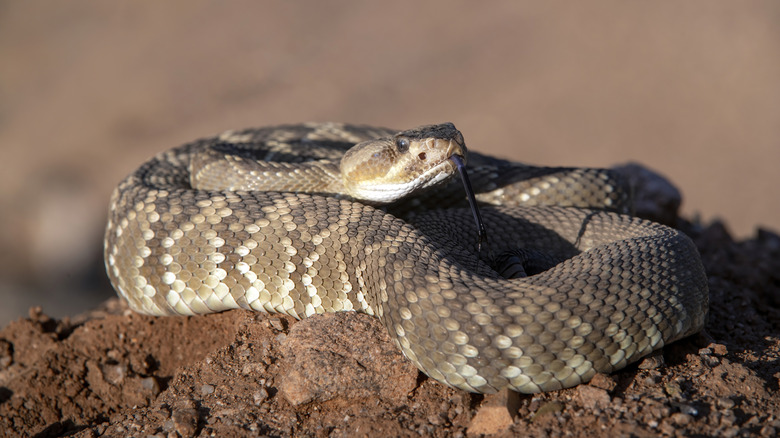
There are only four U.S. states that aren't home to native venomous snakes: Alaska, Hawaii, Maine, and Rhode Island. So, if you love outdoor adventures, it's almost certain that you'll meet one face-to-fang one of these days. Generally, these creatures avoid humans. But if the meet-and-greet has gone astray, and you get bitten by a snake, what should you do? This isn't an Old West movie where the hero sucks the rattlesnake venom out of his friend's leg. In fact, the last thing you want to do is reenact this myth., and you never want to try and suck the venom out of a snakebite.
Whether you've encountered a copperhead, cottonmouth, or diamondback, getting chomped on by a venomous snake is going to make for a bad day. But if you try sucking on a snake bite, so much can go wrong, and now you've got poison in your mouth. Some myths also suggest cutting the wound first, but that's the wrong way to approach this situation, too. It could lead to blood loss and infection, doing more harm than good. Cutting also means you've also sped up the victim's heart rate, which is the opposite of what you want to do. Thankfully, snakebite fatalities are actually pretty rare: Out of roughly 7,500 venomous snakebites in the U.S. each year, only 5 or 6 people actually die.
Myth: Play dead if you see a bear
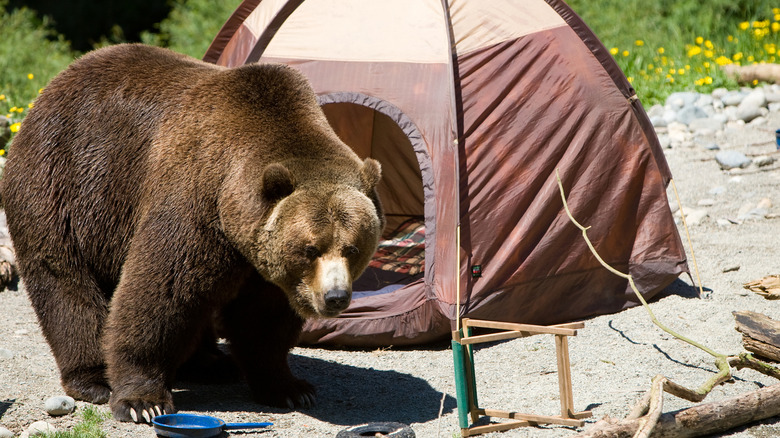
Let's say you're camping with your buds, and someone left a hot dog next to the grill as you leave camp to go kayaking. Did we mention you're in bear country? There's a good chance that when you get back, you'll find Yogi and Boo-Boo helping themselves to a snack. Well, of course, you play dead. Everyone knows that. But this myth doesn't work in every bear-versus-human interaction. It's a tactic that will have some success when dealing with a grizzly, Kodiak, or other type of brown bear. In fact, experts recommend you stop, drop, and snooze if one of these big brown guys is actively trying to hurt you.
So, think twice before you try to play dead with a bear, or your next camping adventure may be your last. There are many reasons why a bear may attack. Maybe it's a mother protecting her cubs, there's food nearby, or they feel threatened. It's important to understand what's happening. With bluff charges, you want to stand your ground and appear as large as possible (don't play dead!). With an actual brown bear attack, playing dead is your only option for survival. But if it's a black bear that's got you in an unfriendly hug, fight it with everything you got. Feel free to exploit whatever weapons are on hand, from bear spray to rocks, fists, and branches to defend yourself. And remember, bear attacks are rare, and black bear attacks are extremely rare. Your best, first option, is to respect these powerful animals and leave them in peace.