

Repurpose Pool Noodles And An Old Trampoline With A Creative Gardening Project
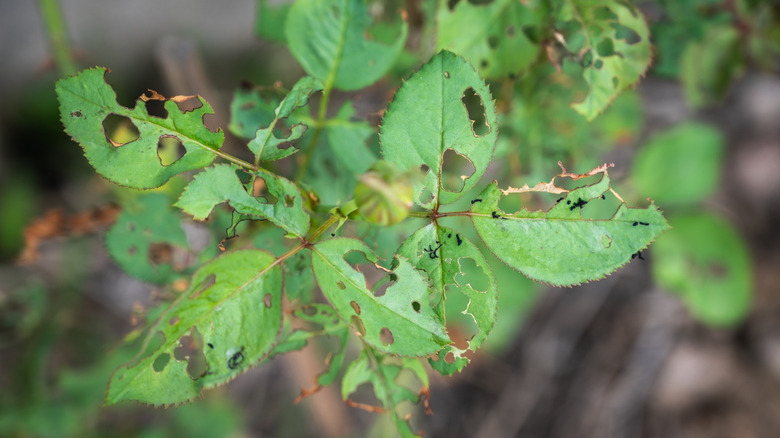
Have you noticed signs of squirrels eating your tomato plants or insects raiding your vegetables? As a gardener, navigating pests can be frustrating — and pest control even more so. After all, while you want to minimize pests, you also don't want to harm helpful garden visitors such as pollinators. Fortunately, with an old trampoline and a few supplies, you can create a garden setup that keeps pests from turning your harvest into their own personal buffet.
This trampoline garden creates a tidy place to keep your containers while also helping keep pests out. The best part? Since you only need the frame, this project is a great way to repurpose that well-loved trampoline with no major damage or safety concerns. If you're interested in recreating this trampoline garden yourself, you'll also need several pool noodles, cable ties, and wildlife-safe netting. You can also add fencing alongside the netting for extra protection.
Before starting this project, it's important to take a quick look at your existing trampoline netting. This project only drapes wildlife netting on the top and along the bottom of the frame, relying on the existing safety netting to keep the middle safe. If your trampoline netting isn't wildlife-safe – meaning the mesh holes are large enough for birds or animals to get trapped – you may want to replace it with store-bought safe netting.
How to reduce pests in your garden with an old trampoline
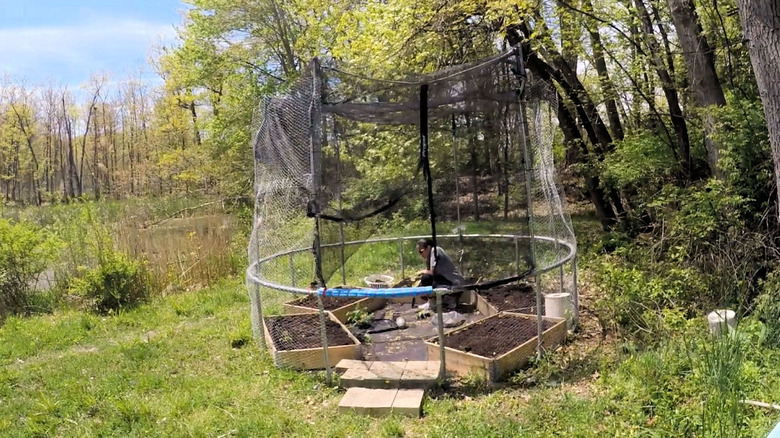
If your trampoline still has its jumping mat, you'll want to start by removing it. Once you're left with just the frame, set up your trampoline where you want the garden to go. At this stage, think about the type of plants you want to grow. Since you can use raised beds tailored to your plants' needs, soil isn't a problem, but you do want to keep sunlight in mind.
Once your trampoline is set up in the right place for your garden, you can begin fencing. Depending on the height of your trampoline frame, you may need a ladder for this step. Start by draping wildlife-safe netting along the top and bottom of the frame. If larger pests are your main concern, you may choose to net only the top. Make sure to pick wildlife-safe netting that will keep uninvited visitors at bay without posing a risk. However, be wary about mesh that's too small, as beneficial pollinators may not be able to reach your plants. For added protection against predators, consider layering pest fencing on top of the netting. After setting up your barriers, secure pool noodles to the frame with cable ties to cover sharp edges and hold the netting in place.
Beyond building the protective frame, you'll also need to build your own raised garden beds and add your plants. The plants you choose will influence both where to place your frame for sunlight and how much care they require, so research your cultivars beforehand. Once finished, you'll have a clever, sustainable garden setup that keeps pests away while giving your plants a safe and sunny space to thrive.