

The Unexpected Hidden Danger To Beware Of At Death Valley National Park
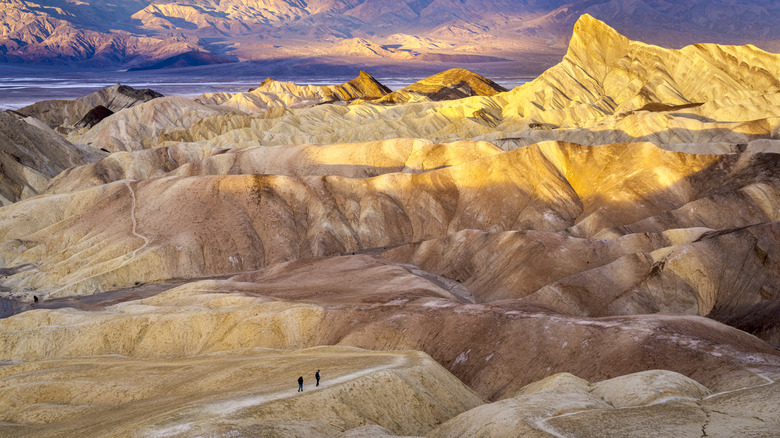
Entering Death Valley National Park is almost like stepping into another planet. The park is the hottest, driest, and lowest point in North America, yet it dazzles with varied landscapes — making it one of the West Coast national parks you need to experience at least once in your lifetime. One moment you're staring out over endless salt flats at Badwater Basin, 282 feet below sea level, and the next you're craning your neck at rugged, snow-dusted peaks that seem too tall for a desert. Sand dunes roll like ocean waves turned to stone, badlands glow in reds and golds, and, if you're lucky enough to visit during a spectacular flowering season, carpets of wildflowers burst to life in vivid colors along the desert floor. While heat and dry air grab the headlines, Death Valley hides a danger that seems out of place in a land short on rain: flash floods.
With water, sunscreen, and a brimmed hat, you might feel prepared for the desert. But even a sprinkle of rain falling miles away can transform dry washes and narrow canyons into roaring rivers of mud and rock. Roads can vanish beneath torrents in minutes, and what started as a serene desert drive can turn into a heart-pounding scramble for higher ground. It's a reminder that, here, extremes rule the day.
A history written in water
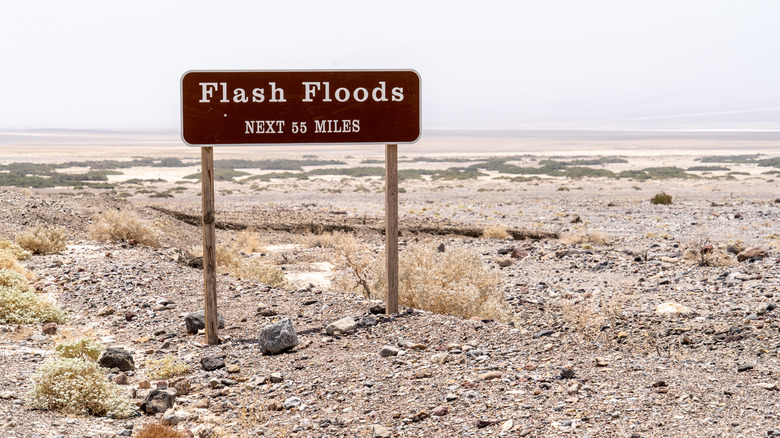
There are certainly dangerous creatures to beware of when adventuring in Death Valley National Park, but how water moves in this landscape is more unpredictable — and often deadlier — than anything with claws or teeth. The very features that make Death Valley so jaw-droppingly beautiful, including its steep canyons, vast basins, and hard-packed earth, double as the perfect channels for sudden floods. The landscape is like a massive bowl surrounded by towering mountains. When rain hits, it can't soak into the dry, hard-packed desert floor, so it races down the slopes, through the narrow canyons, and into the valley basin. Each storm reshapes the land, carving new channels and laying down fresh layers of soil and rock. Over time, successive floods have left subtle but lasting marks that add up to the rugged, fascinating landscape you see today.
In recent years, Death Valley has endured some headline-making floods that proved just how quickly this desert can turn wild. In August 2022, a sudden downpour dropped about 1.5 inches of rain in just a few hours, essentially the park's entire annual rainfall in one afternoon. Meteorologists labeled it a "1,000-year event" for its rarity, but it washed out roads, trapped cars, and left thick layers of mud and rock along the valley's main routes. A year later, in August 2023, the remnants of Hurricane Hilary barreled through with another round of heavy rain, again overwhelming roads, isolating visitors, and battering park facilities. Earlier, in 2015, flash flooding at Scotty's Castle filled historic buildings with mud, damaged roadways, and forced years of closures and repairs.
How to stay safe when the desert turns dangerous
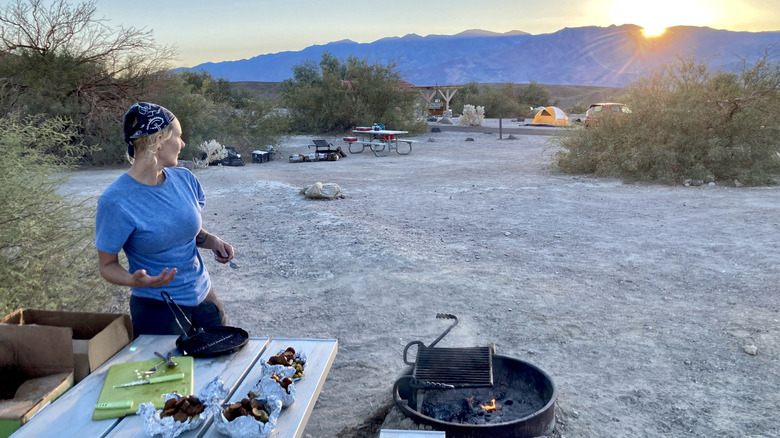
Death Valley National Park might be a bucket-list camping spot, but it's also one of the most dangerous places to pitch your tent thanks to the risk of flash floods. Conditions can shift fast — you could be roasting marshmallows one minute and scrambling up a ridge to escape a wall of rushing water the next. To stay safe when the desert suddenly decides to test you, always know your exits. If you spot dark clouds forming in the distance or hear the unmistakable roar of water, drop the s'mores and head for higher ground immediately. Don't hesitate; dry washes and narrow canyons act like funnels, channeling small storms into dangerous torrents. Also, never step or wade into floodwaters. That shallow-looking current can quickly sweep your feet out from under you, and the water often carries rocks, mud, and debris with surprising force.
When warnings roll in, take them seriously. Park rangers don't put out alerts just for fun. They've seen firsthand how quickly conditions can turn. Tune into local updates and follow instructions as if your trip depends on it. Cancel that scenic drive or canyon hike if a flash flood watch is in place, and don't assume you're safe just because the skies overhead look clear. Rain falling miles away can still barrel straight into your canyon campsite without so much as a polite warning. Staying flexible and cautious means you'll protect yourself as you enjoy this epic desert park.