

Make Sure To Fertilize Your Lawn This Winter (But Check This First)
We may receive a commission on purchases made from links.
As winter weather sets in, many grass types enter a dormancy stage. During this time, the grass is still alive — just growing more slowly or not at all. However, even if you have your lawn mower in winter storage, your turf still requires some attention. Watering your lawn should continue throughout the season (except when the temperatures drop near or below freezing) — however, other steps should be taken before the chill sets in to protect your grass over the winter season. One of the primary things you typically should do before the temperatures dip is to fertilize your lawn. You should also consider whether you have cool-season or warm-season grass.
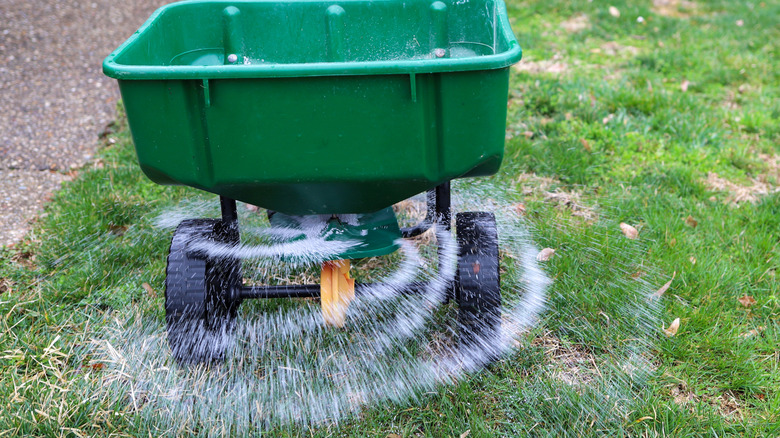
Adding fertilizer to your lawn before frost sets in can have valuable benefits as part of the winterizing process for your yard. Since your grass is still alive, it will continue to need nutrients to sustain itself through the winter. It will also help your lawn weather a frost or freeze. Additionally, these nutrients will allow your grass to emerge strongly during spring, ensuring your have a lush lawn throughout the warmer weather months. However, in order to maximize the benefits of fertilizing — and to make sure you don't accidentally overfertilize your lawn – it is best to do a soil test prior to purchasing your fertilizer. Not testing your soil and blindly applying fertilizer is one of the most common ways to ruin your lawn.
Use your soil test to guide your winter fertilizer choice
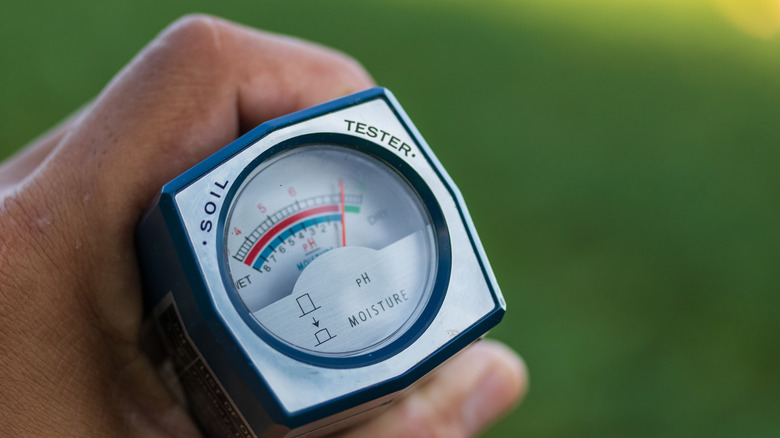
Many highly rated soil testers can measure numerous nutrient levels. Although there are more than a dozen nutrients that plants use from the soil, the three you should focus on are nitrogen, phosphorous, and potassium. The percentage of these three nutrients in fertilizer will be shown on the bag. For example, a bag labeled 10-10-10 means 10% of the bag's total weight was comprised of each of these nutrients.
Choose the type of mix that is right for your grass type during the winter season – each has a purpose in keeping your lawn healthy through the winter. Nitrogen is used to build strong roots and have your lawn ready to go green when spring arrives. Phosphorous is good for the overall well being of grass. However, there is typically plenty of it already in the soil. Potassium improves the absorption of water and nutrients. It also improves hardiness and drought resistance.
Most winter fertilizers, such as Green Thumb Winterizer, are rich in nitrogen with little to no phosphorous and varying degrees of potassium. For cool-season grasses, pick a mix without phosphorous unless your soil test indicates a deficiency. Nitrogen and potassium levels will range from nearly equal to a 2:1 ratio. Pick your mix based on what your soil test shows. Winter fertilizers for warm-season grasses should have little or no nitrogen to avoid a late-season growth spurt, which can increase the odds of damage from frigid temperatures. Instead, buy something that's heavy in potassium with a little phosphorous and nitrogen if your soil test indicates those nutrients are needed.