

The Unexpected Benefits Of Adding Moss To Your Garden
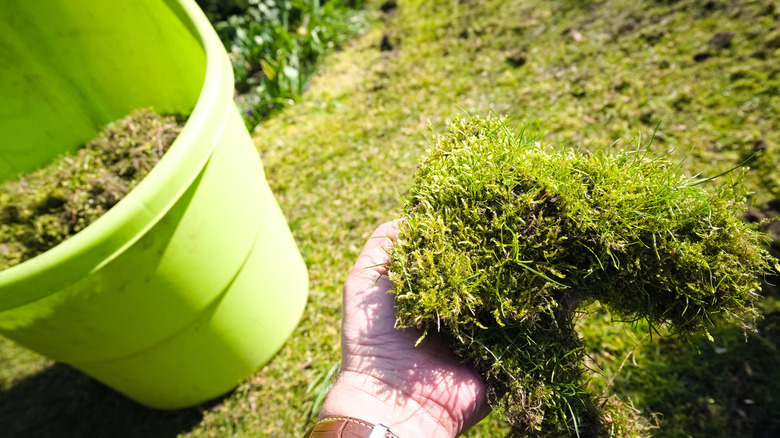
Did you know there's more to moss than just the velvety patch of green you often see on rocks or tree trunks? A group of ancient, non-vascular plants known as bryophytes, mosses thrive in conditions that challenge most garden residents, including areas with deep shade, compacted soil, low nutrients, and high moisture. These extraordinary plants grow low and slow, spreading outward in dense mats that require no roots, no fertilizers, no mowing, and no fancy upkeep. Whether you're dealing with steep slopes, soggy corners, or shady nooks where grass refuses to grow, moss steps in quietly, flourishes with surprising resilience, and offers several environmental benefits.
There are many types of moss you can use as ground cover in your landscape, but beyond its visual appeal and versatility, moss plays a massive role in supporting healthier, more sustainable landscapes. In fact, what it's capable of doing all by itself is staggering. It captures rainwater like a sponge, stabilizes soil, improves biodiversity, and even filters out air and soil pollutants. From reducing the need for irrigation and chemicals to sequestering carbon and cooling the ground beneath your feet, moss offers real, practical benefits that go far beyond looks. At a time when gardens are expected to do more with less — less water, less maintenance, less impact — moss delivers. It's a stunning, aesthetic upgrade that also makes you rethink what it means to grow a healthy lawn.
Moss is a natural soil stabilizer
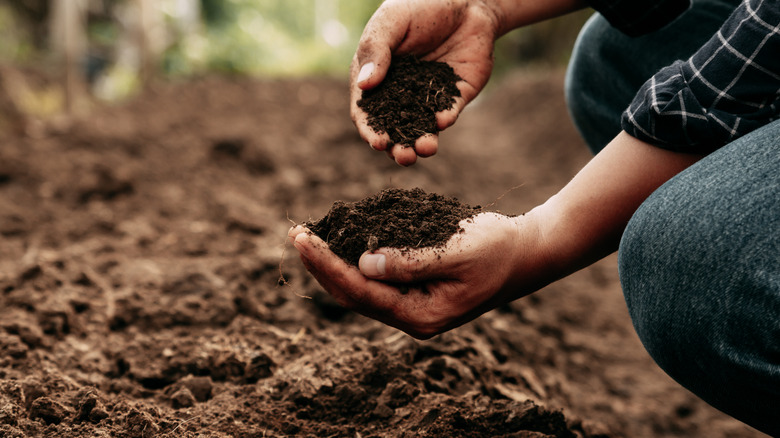
At first blush, moss might not look all that impressive, but what it accomplishes below the surface is nothing short of heroic, especially when it comes to improving garden soil on a shoestring budget. This dense, low-growing plant forms a carpet-like mat that clings tightly to the soil surface using rhizoids, root-like structures that anchor it down without sapping out water or nutrients like regular roots do. That natural grip helps moss spread out and create a tight, cohesive layer across even the trickiest terrain, including bare patches, slopes, or shady areas where grass can't commit.
That thick moss mat does a killer job at holding soil in place, even amidst the deluge of heavy rain or high winds. It acts as a natural net, keeping erosion in check and cutting down surface runoff by more than 70% compared to bare soil, according to research by the European Geosciences Union. Moss also drinks up a surprising amount of water; some types can hold up to 20 times their dry weight, which slows everything down and gives moisture time to gently seep into the ground instead of washing it away. Over time, moss also improves soil health by contributing organic material, helping build a better foundation for other plants to thrive.
Moss can reduce your water usage
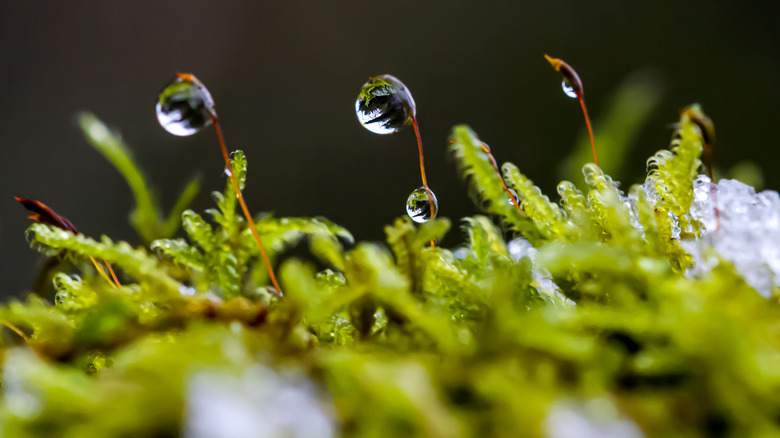
Thanks to its specialized structure, moss can hold an absurd amount of water. In fact, it's common for it to hold anywhere from 100% to over 2000% of its dry weight, depending on the species. This insane sponge-like quality comes from external capillary spaces and water-storage cells that trap and retain moisture. Even better? Moss doesn't use internal plumbing like vascular plants; it absorbs water passively over its entire surface, which makes it super efficient at soaking up rain, dew, or even the lightest evening mist.
In the garden, this translates to way less watering from you. A moss-covered area acts like a living mulch; it shields the soil, holds moisture at the surface, and creates a humid microclimate that reduces evaporation. When things get dry, moss doesn't shrivel up and die — it just naps. Thanks to its built-in drought tolerance, it can dry out and spring back to life after the next light sprinkle or misting. That means fewer hoses, fewer sprinklers, and a garden that stays lush without guzzling gallons. If you're looking for a low-maintenance, eco-friendly ground cover that thrives on neglect and rewards you with resilience, moss is that silent garden MVP.
Moss supports biodiversity
Moss might be small, but it plays in the big leagues when it comes to biodiversity. Its dense, low-growing structure creates a complex layer of nooks and crannies – not unlike a mini forest floor for the tiniest of creatures. These mats offer shelter, moisture, and consistent temperatures, making them prime real estate for microfauna like tardigrades, rotifers, nematodes, mites, and insect larvae. It's basically an apartment complex for invertebrates, all quietly working behind the scenes to keep your soil alive, aerated, and cycling its nutrients. These creatures may be small, but they're the backbone of a thriving garden ecosystem.
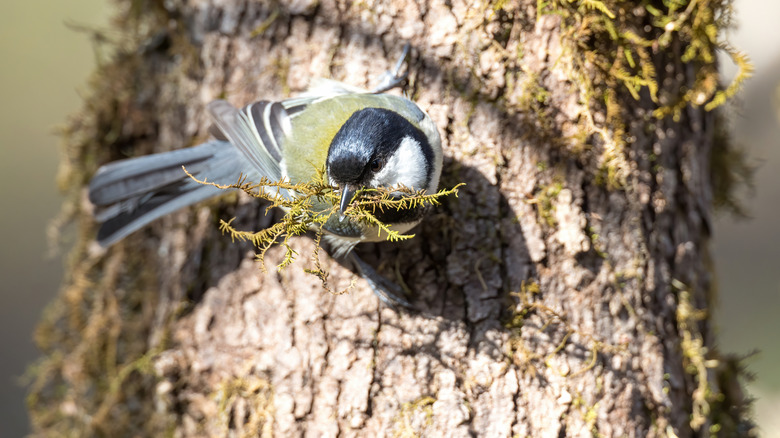
But moss doesn't stop at hosting the microscopic crowd; it also lays the groundwork for the whole food web. As a pioneering species, it's often the first to show up in damaged or bare spots, stabilizing the soil's surface and trapping organic debris like leaf litter and dust. Over time, this builds up into rich topsoil, inviting bigger plants to move in. Birds gather moss for nests, frogs hunt bugs hiding in the mats, and even the soil itself benefits since moss-covered areas have been linked to fewer soil pathogens and better decomposition rates. In short, moss makes your garden more self-sustaining and wildlife-friendly.
Moss contributes to better air quality
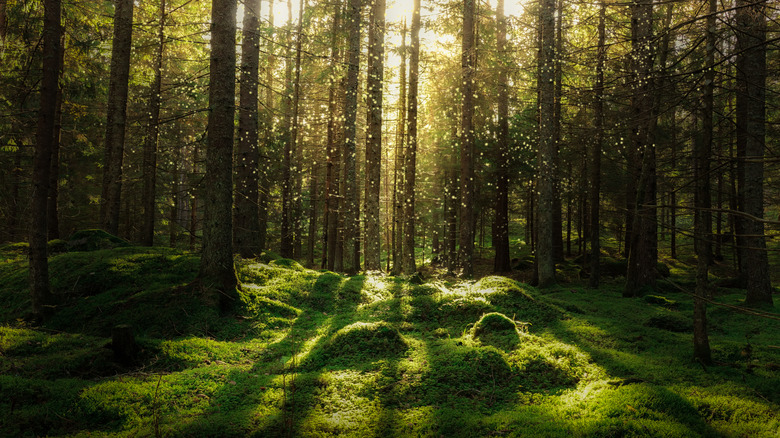
Thanks to its sponge-like structure and massive surface area, moss traps airborne pollutants like fine dust, soot, and heavy metals. Unlike other plants, it doesn't have a waxy coating or roots pulling water up from the soil. Instead, it absorbs water and nutrients straight through its leaf surface. That means whatever's in the air, moss is soaking it up. From sulfur dioxide and nitrogen oxides to lead and zinc, moss is constantly filtering the air around it, making it one of the most efficient passive biofilters in the plant kingdom.
Beyond filtration, moss is a powerful tool for monitoring pollution. Since it pulls everything from the atmosphere, scientists have analyzed moss samples to get a real-time picture of air quality — no fancy tech required. Methods like the "moss bag" technique (where clean moss is placed in mesh and left in urban areas) are used worldwide to track heavy metals and harmful gases. Some mosses stay active all winter, quietly working while other plants go dormant — right when pollution tends to spike. Whether it's filtering toxins or reporting on them, moss is practically a superhero for any eco-conscious garden.
Moss regulates soil temperature and humidity
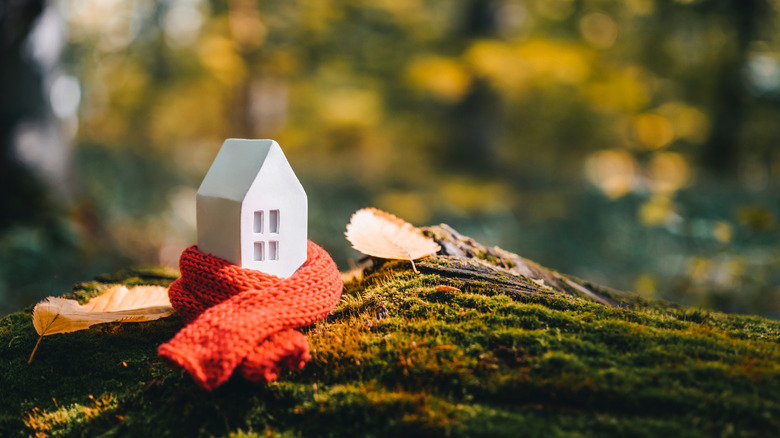
Acting like a natural thermal blanket, dense moss carpets insulate the ground by trapping pockets of air in their porous structure. This reduces heat transfer between the soil and the surrounding atmosphere, keeping things cooler in the summer and buffered during sudden temperature swings. In alpine and boreal ecosystems, moss can raise soil temperatures by several degrees, protecting sensitive roots and even preventing the thawing of permafrost in colder climates. If you stopped thinking of moss as mere insulation and more like ecosystem armor, you wouldn't be far from the mark.
But what's neat is that moss isn't just regulating temperature; it's also mastering moisture. After absorbing staggering amounts of water, moss can release it slowly through a process known as evapotranspiration. That slow release adds humidity to the immediate air and keeps the soil beneath the moss consistently moist, creating a more stable, buffered microclimate. This is massive for delicate seedlings, soil-dwelling insects, and other organisms that rely on consistent conditions to survive. By reducing both heat stress and water loss, moss helps maintain a calm, cool zone where life can flourish — even when the surrounding environment is swinging between extremes.
It's a low maintenance and mow-free ground cover
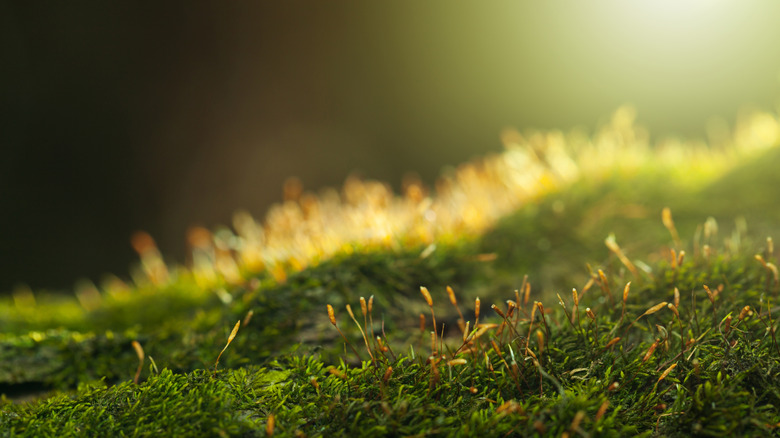
If you're tired of lawn chores, moss is about to be your new best friend. Unlike turfgrass, which demands weekly mowing, regular fertilizing, and endless watering, moss just grows low and slow. Whether it's the upright cushiony kind (acrocarpous) or the creeping, carpet-forming type (pleurocarpous), moss doesn't need trimming. It's a low-profile ground cover that spreads without fuss. It's ideal for shaded, compacted, or awkward spots where grass normally throws in the towel, so it's a great ground cover if your lawn is full of bare patches. While it does require somewhat cool and humid conditions, once it's established, moss pretty much handles itself.
Moss also skips the fertilizers and pesticides. Without a root system, it absorbs nutrients and moisture straight from the air, so it can thrive in poor or acidic soils where turfgrass struggles. It rarely faces pest problems and doesn't need chemical treatments to stay healthy. Its sponge-like cells also give it a huge advantage over grass, considering traditional lawns can guzzle up to 85% of residential water use in some areas. Moss is a clever alternative to grass for a no-mow garden, saving you time, money, and resources.
Moss thrives and contributes in acidic soils
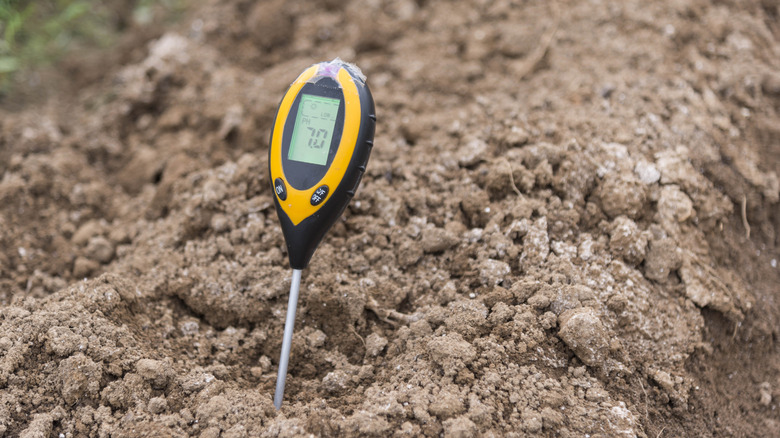
Most plants struggle in acidic soil, but moss thrives in it. In fact, many moss species prefer and even help maintain low pH environments, making them the ultimate groundcover for areas where traditional turfgrass taps out. They're especially valuable for gardeners growing acid-loving plants like rhododendrons, azaleas, ferns, or blueberries. Instead of fighting your soil's natural acidity with endless amendments, moss works with what's already there. To put it another way, it's not "fixing" the pH — it's leaning into it, and that shift in mindset opens the door to a whole different kind of garden ecosystem.
The science behind this comes down to how mosses, especially Sphagnum species, interact with nutrients. They perform a biological move called cation exchange, where they absorb important nutrient ions (like calcium or magnesium) and release hydrogen ions in return. That increase in hydrogen ions makes the soil more acidic. Plus, since mosses get their nutrients from the air and rainfall, they're not pulling anything vital from the ground. That independence makes them perfect for gardens where soil is lacking nitrogen and acidic spaces where grass would struggle to survive. If your garden skews low pH, planting moss isn't just an option — it's an opportunity.
Moss handles heavy rains like a pro
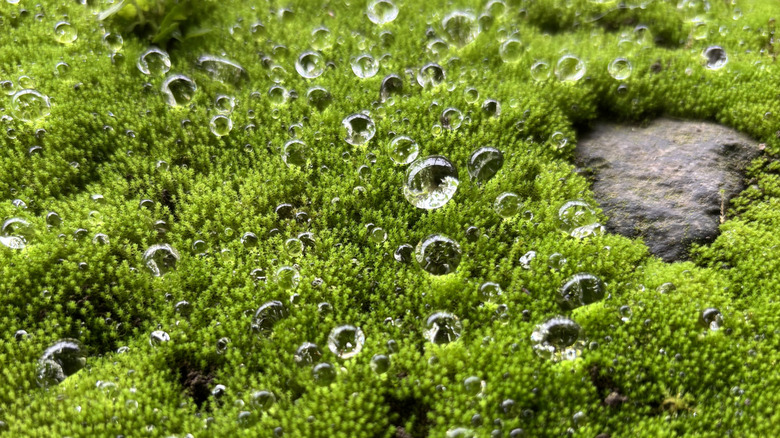
As poikilohydric plants, mosses adjust their water content based on their surroundings and can hold massive amounts of moisture — often 3 to 7 times their dry weight, and in the case of a superstar species like Sphagnum, up to 20 times. This high Water Holding Capacity (WHC) makes moss an elite groundcover for capturing rainfall, especially in areas prone to runoff or drought. To put it another way, it doesn't just sip water, it guzzles it down and saves it for later, releasing what isn't needed.
The magic comes down to how moss is built. Inside, species like Sphagnum have hollow hyaline cells – dead, sponge-like structures that soak up and lock in water. Outside, moss colonies form tight, interwoven mats that trap moisture between leaves, branches, and stems through capillary action. This double-duty design lets moss intercept rainfall, reduce runoff, and gradually release moisture into the soil below, improving infiltration and preventing erosion. Whether you're dealing with dry spells or heavy downpours, moss acts as a micro-scale water manager, storing what it needs, sharing what it can, and creating a more balanced, drought-resistant garden environment.
Moss naturally filters and detoxifies soil
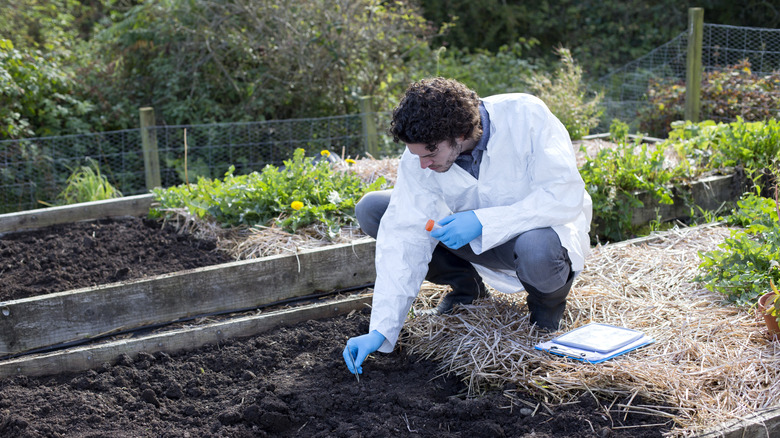
Thanks to its ability to bioaccumulate pollutants, moss acts like a living sponge that pulls heavy metals and toxins out of the environment. And to be clear, it doesn't just take them in — it locks them down. Moss can absorb and hold contaminants like lead, cadmium, copper, and arsenic in concentrations far higher than those in the surrounding soil or water. By sequestering these harmful substances in its tissues, it prevents them from leaching into groundwater or being taken up by your nearby edible or ornamental plants.
But that's not all. Moss doesn't have roots or a waxy barrier like other plants, so it absorbs everything — water, nutrients, pollutants — directly through its leaf surfaces and cell walls. It also has a high surface-area-to-volume ratio and is loaded with negatively charged sites that bind metal ions through ion exchange. That makes moss extremely efficient at grabbing and holding onto contaminants. Whether you're dealing with urban runoff, old lead-contaminated soil, or just want to boost your garden's health, moss steps in with its phytoremediation superpowers to save the day with good ol' biological brilliance — no tech required.
Moss supports carbon sequestration
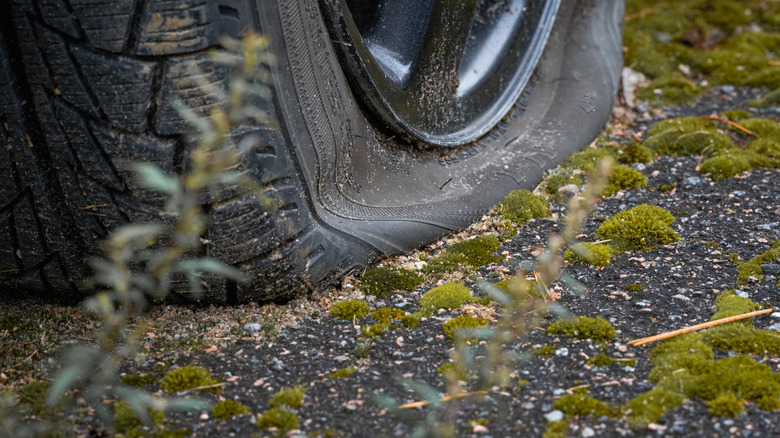
If you're looking for a natural climate warrior, moss is it. These ancient, low-growing plants play a massive role in carbon sequestration, the process of capturing and storing atmospheric carbon dioxide. In the wild, moss-dominated peatlands cover just 3% of Earth's land, yet they store twice as much carbon as all of the world's forests combined. That's thanks in large part to species like Sphagnum moss, which naturally build up thick, carbon-rich soils over centuries. And while harvesting peat from these ecosystems is environmentally destructive and should be avoided, the carbon-storing potential of living moss itself — even in non-peatland environments — is massive. In fact, moss-covered soil can store up to 6.43 gigatonnes more carbon than bare ground.
How does this work? Moss decomposes slowly, especially in cool, waterlogged, and acidic conditions that suppress microbial activity. Sphagnum and other moss species also produce phenolic compounds that make their tissues highly resistant to decay, allowing organic carbon to accumulate in them over time. And because mosses are expert moisture managers, they keep the soil beneath them wet and oxygen-poor, locking carbon into the ground instead of releasing it back into the air. In short, moss doesn't just capture carbon; it buries it long-term. Quiet, resilient, and powerful, moss is one of nature's most underrated climate allies.
Grass won't grow in shade, but moss thrives
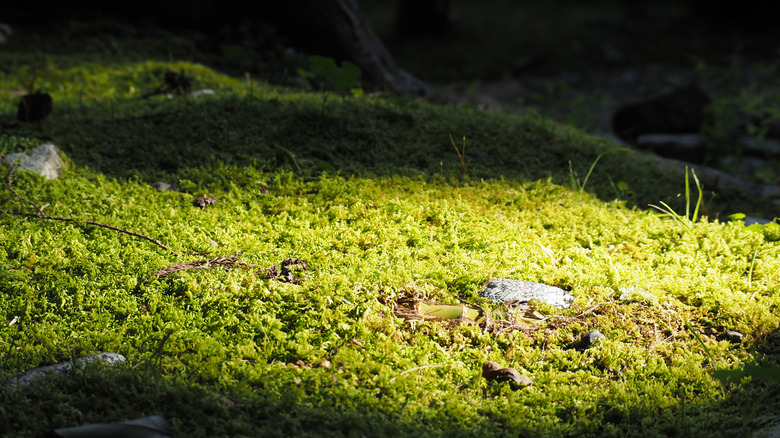
Grass might be king on a sunny lawn, but in the shade? Moss rules. Mosses are among the most shade-tolerant plants on Earth, thriving where turfgrass and other ground covers can't survive. Grass requires full sunlight to support its complex structure, from its roots and stems to its leaves, all of which come with major energy costs. But mosses? They're non-vascular, rootless, and built for low-maintenance living. When grass starts to thin out and die in shaded corners or beneath trees, moss steps in, not as an invader, but as a specialist built for those tough conditions. It thrives in damp, shady conditions where grass fails, and it does so without relying on fertilizers, pesticides, or a weekly date with your gas-guzzling lawn equipment.
The secret lies in how moss handles light. With a lower light compensation point (LCP) than vascular plants, moss begins making more energy than it uses in light conditions too dim for grass to even break even. Moss leaves are typically one cell thick, which allows for maximum light capture and fast gas exchange — making it perfect for soaking up brief bursts of light under a shady canopy. And when things heat up or dry out? Moss simply powers down. Its metabolism goes dormant until moisture returns, conserving energy until the next opportunity to grow. That combo of shade efficiency and desiccation tolerance makes moss a shoo-in for those darker, harder-to-maintain areas of the garden.
There's a moss species to suit every garden niche
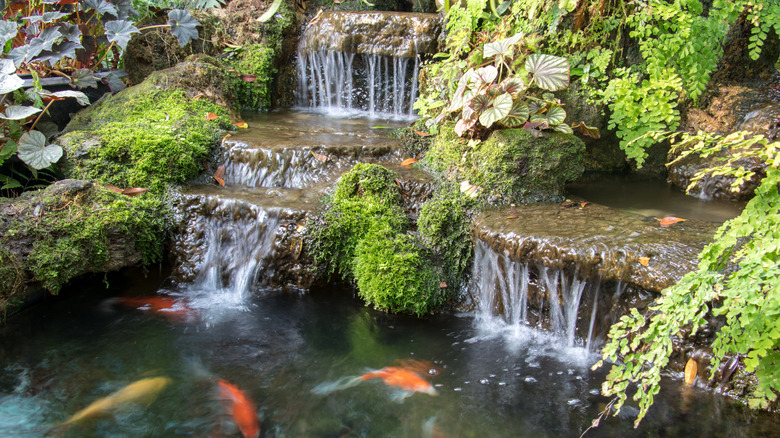
Swapping turfgrass for moss isn't just about flexing your gardening know-how; it's a smart move toward sustainable, low-impact landscaping — and it makes an eye-catching impact. Moss lawns need no mowing, no chemicals, and barely any watering once established to maintain their lush, green look. That low-input profile makes moss one of the most eco-friendly ground covers out there.
But moss isn't just a good practical choice. Depending on the species, moss can suit a wide range of garden aesthetics, layouts, and purposes. Species like carpet moss (Hypnum cupressiforme) will happily grow between pavers, intermingled with grass, or even on walls, stones, and other uneven surfaces. Other types like glittering wood moss (Hylocomium spendens) and cushion moss (Leucobryum glaucum) can add a welcome burst of color and texture, while fern moss (Thuidium Delicatulum) decorates stream banks and ponds. In a warming, water-stressed world, planting moss isn't just a unique gardening choice — it's a quiet act of climate resilience that will also beautify your backyard.