

La Niña Season: What It Means And How It'll Impact Winter Weather Conditions
We may receive a commission on purchases made from links.
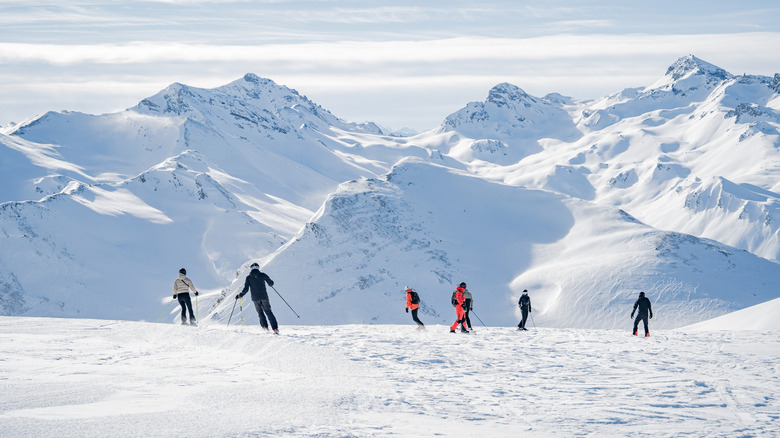
With ski season right around the corner, winter sports enthusiasts are anxiously awaiting the season's first snow. Many have likely already booked a spot at some of the best national parks for winter sports and consulted the Old Farmer's Alamac's winter weather forecast. However, depending on the portion of the country in which they pursue their favorite winter outdoor activities, their enthusiasm may tempered by the fact this year features a La Niña event. Understanding what that means and how it impacts winter weather conditions can be instrumental when it comes to planning your winter getaway.
The National Oceanic and Atmospheric Administration (NOAA) applies the Spanish terms La Niña and El Niño to climate patterns involving trade winds in the Pacific Ocean. Although they originate in the Pacific, La Niña and El Niño impact global weather. Essentially, these two patterns, the names of which translate to little girl and little boy, are the opposite of one another. Like little kids, La Niña and El Niño are somewhat unpredictable: They do not happen every year or even occur in any sort of regular pattern. Although one or the other will usually happen at least every few years, there is no set time period between episodes.
Just as there is no set time they happen, there is no telling how long they'll stick around. The average time for either a La Niña and El Niño event is from 9 months to one year. But there have been instances when these events stretched on for years. Additionally, El Niño events are more common than La Niña. However, the arrival of La Niña this year marks the second straight year it will be directing winter weather conditions in North America.
What La Niña means for winter weather in the U.S.
When the waters of the central Pacific Ocean cool below normal temperatures, it begins a La Niña event. This stirs the trade winds, causing them to blow at higher than usual velocity. It also impacts the location of the Polar Jet Stream, which is moved further north during a La Niña event. While the fact La Niña is a result of cooling waters in the Pacific may lead to the assumption that it will result in a cold winter, the opposite is true in much of the U.S.
In general, in a La Niña year many portions of the northern U.S. will indeed have cooler-than-normal temperatures throughout the winter. However, the vast majority of the southern United States will experience warmer-than-average winter temperatures. Additionally, most of the country will experience dry conditions during a La Niña winter. In fact, it often means wide-spread drought conditions throughout the South. Some areas, most notably the northwest and midwest, usually experience more precipitation than usual during La Niña winters.
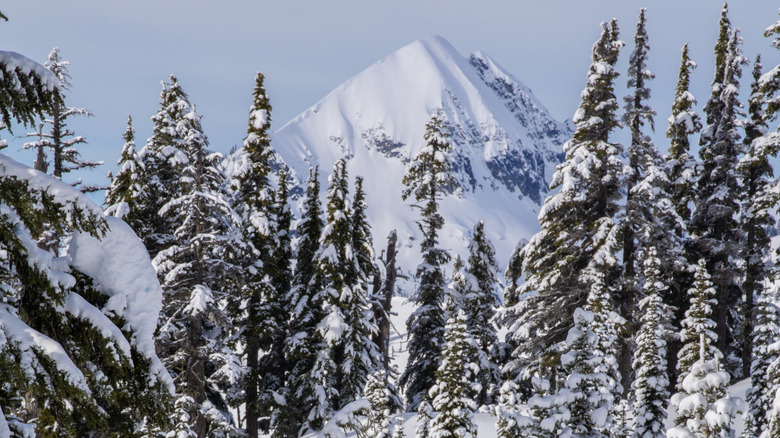
Of course, the preferred precipitation for winter sports fans is snow. With that in mind, the northwest U.S. is usually the place to be during a La Niña event. States in that region will usually see above average snowfall in La Niña conditions. However, it is worth noting that this year's La Niña episode isn't expected to be particularly strong. Additionally, both La Niña and El Niño produce generalized patterns, but local factors and weather patterns can cause short-term disruptions in those patterns. Overall, if you are hoping to use that Burton snowboard or Liberty skis this winter, you'll generally find the most consistent conditions in the Pacific Northwest.