

The Lesser-Known Flower That'll Bring Color And Pollinators To Your Yard
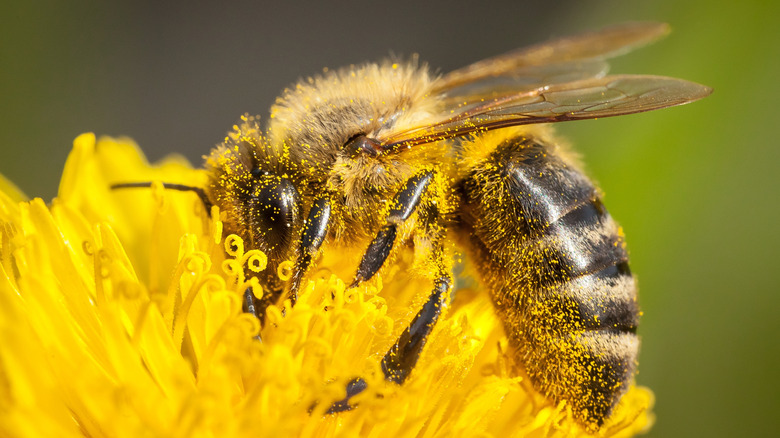
Finding ways to attract more pollinators to your yard has numerous benefits. Not only are pollinators such as bees, butterflies, and hummingbirds extremely helpful to the environment, but often the flowers you plant to attract them are incredibly beautiful. And while you could go about planting classic pollinator-friendly varieties like trumpet honeysuckle, opting for the lesser-known avens (Geum spp.) could be your ticket. These flowers produce long-lasting, colorful blooms that have the potential to attract a large number of pollinators to your yard.
Also known as geums and consisting of about 50 species, avens are related to roses and part of the Rosaceae family of flowers. They are long-blooming perennials that come in a variety of bright colors like red, orange, and yellow. Avens grow tall, up to 24 inches, from dark stalks coated in deep green foliage. Their blooms are airy, multi-petaled, and open, showcasing a resemblance to their rose cousins.
Pollinators, specifically bees and butterflies, are attracted to avens due to the flower's open structure, which makes the pollen inside easily accessible. Avens grow in bundles, ensuring a bounty of pollen for all of your yard's bees. In short, planting avens is one of the very best ways to attract bees to your yard, as well as other pollinators.
Choosing and growing avens to attract pollinators to your yard
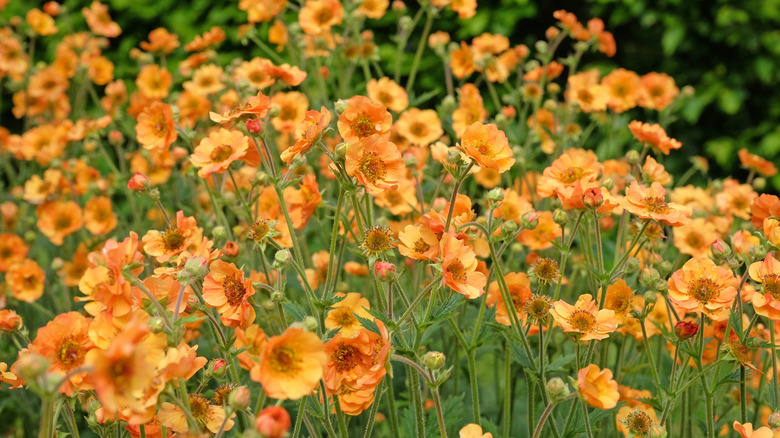
With so many varieties of avens available, pollinator-conscious gardeners have a wide range of options from which to choose. One of the key factors to consider when selecting avens is whether they grow in your specific USDA Hardiness Zone. Failing to do this is one of the biggest mistakes that beginner gardeners make. Most avens grow well in zones 5 through 7, with some, like water avens (Geum rivale), thriving down to zone 3. They prefer full sun, though they'll need afternoon shade in hot climates, and well-draining loam or sand.
One thing to consider when choosing an avens species is its potential as a pollinator host plant. While there are varieties of avens found across the Americas, Africa, Europe, and Asia, it's the native North American species that will help your local butterfly if you live in the U.S. White avens (Geum canadense), for example, plays larval host to butterflies as well as the Tinagma obscurofasciella moth.
Another benefit for visiting bees, birds, and butterflies are avens' long-lasting, beautiful blooms. They tend to bloom in late spring or early summer and remain in bloom well into fall. Deadheading in late spring or early summer encourage your avens to bloom even later, depending on your location, providing nectar and pollen for most of the growing season.