

The Orange Flower That'll Fill Your Garden With Pollinators All Autumn
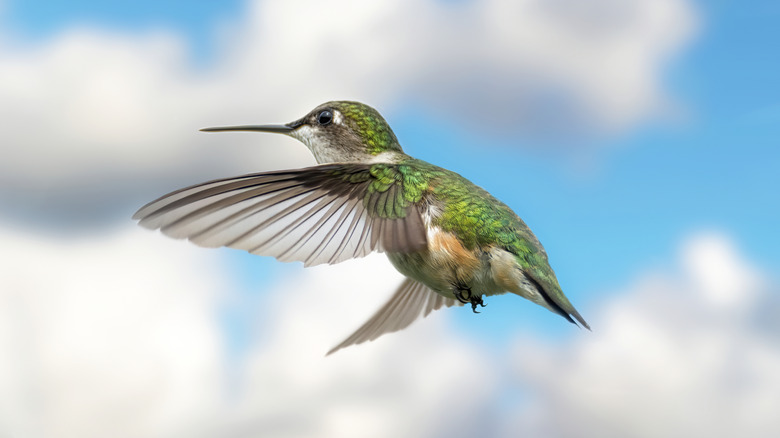
As autumn approaches, you may find the activity around your yard slowing down as many butterflies and hummingbirds migrate south for warmer winters and any surviving bees prepare for hibernation or overwintering. However, while fall marks the end of spring and summer's bright blooms and sunny days, it doesn't have to be the end of your pollinator garden. If you have pollinator-friendly goldenrods, things will stay buzzing, or you can go a different route with an eye-catching orange flower that will give your local wildlife the fuel they need to prepare for the cold months ahead.
Jewelweed (Impatiens capensis) is a self-seeding annual native to North America — and pollinators love it. It blooms in the middle of summer and will continue to add life and color to your garden until this showy plant dies with the arrival of the first frosts of the season. Not only that, but it can thrive in a variety of ecosystems and USDA hardiness zones, making it a good choice for the gardener with limited pollinator-friendly options.
Before adding this plant to your lineup of colorful flowers that attract pollinators, there is one thing to keep in mind. Because jewelweed is self-seeding, it can spread easily in your garden. While this characteristic allows for jewelweed to grow in places like ditches or along roadsides, as well as compete against invasive species, it is something to keep in mind if you want a more controlled garden layout.
How to grow jewelweed to attract more pollinators
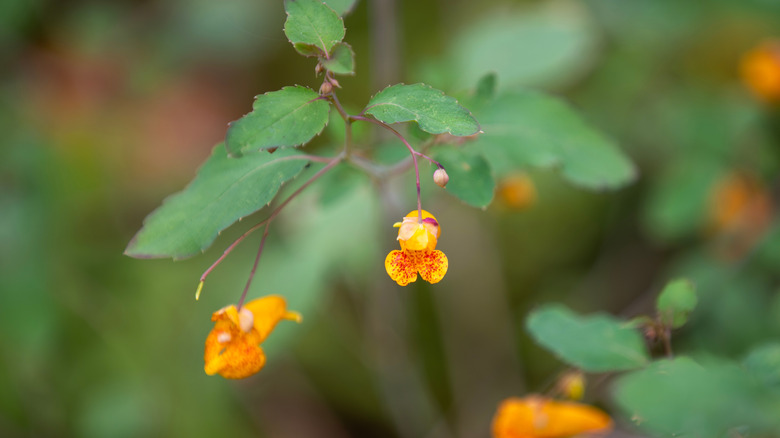
If you're looking to create a fall garden with jewelweed, the first step is knowing the right conditions to plant this wildlife flower in. In the wild, jewelweed blooms in a variety of forested wet ecosystems, such as the edges of bogs, marshes, and floodplains. Knowing this can help you visualize the right growing environment for this plant's success in your garden. Jewelweed can grow in USDA hardiness zones 2 through 11, and it prefers moist soil. However, even with its love for hydration, be careful not to making the easy gardening mistake of overwatering this plant.
With area and soil needs out of the way, you also want to take into account light requirements. This is especially important if you want to add jewelweed to a container garden for pollinators, as plants sharing a container do best with those that have similar needs. Fortunately, jewelweed is flexible when it comes to the amount of light it needs each day, growing well in dappled sunlight conditions as well as deep and partial shade. Although jewelweed is an annual, its self-seeding abilities can help this plant maintain a presence in your yard year after year once established.