

Plan A Unique And Quiet Camping Trip To California's Largest Lake
We may receive a commission on purchases made from links.
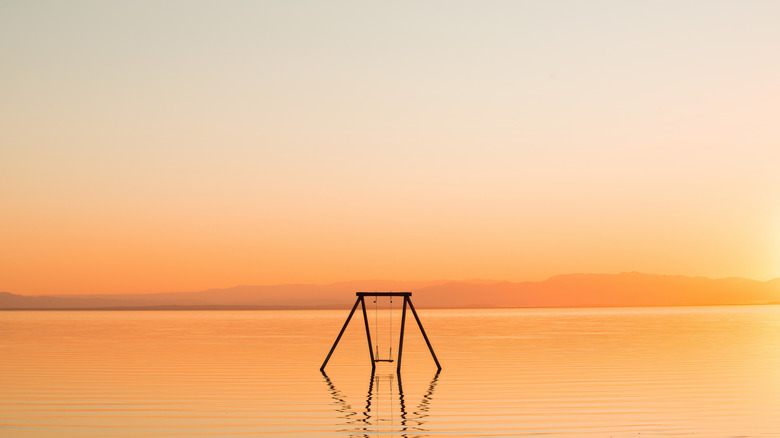
The largest lake in California is actually a sea. Located just south of the popular Joshua Tree National Park, the Salton Sea offers visitors the opportunity to enjoy a unique and quiet camping trip along its shores. Outdoor enthusiasts visiting the area not only have the chance to camp next to one of the largest inland seas in the world, but also to enjoy activities such as kayaking, birdwatching, and hiking during their stay. Additionally, thanks to the sea's remote location, they can typically do so without the crowds that are often found at many other camping areas. Those looking for this type of camping experience need look no further than the Salton Sea State Recreation Area.
Located on the northeastern shore of the Salton Sea, the SRA has 1,600 campsites scattered across five separate campgrounds. Two of them, Varner Harbor and Mecca Beach, are considered developed, offering sites for both RV and tent camping. Some of these sites have full hookups while others require dry camping, a popular trend that RVers are absolutely loving. Corvina, Salt Creek, and Bombay Beach are the three other campgrounds; each of these offers primitive tent camping sites along the shoreline.
Given the often excruciatingly hot temperatures during summer, which can top out at 115 degrees Fahrenheit, June through September is considered the off-season. During the peak season, which runs October through May, the heat is usually a more comfortable 50 to 70 degrees. Be mindful to avoid packing mistakes for camping and take along all the necessary gear and supplies, as the Salton Sea State Recreation Area is fairly isolated and a good distance from any stores.
What makes the Salton Sea so unique?
Despite having more surface acres than any other inland body of water in California, the Salton Sea was created by accident in 1905 when an irrigation canal was compromised during a severe flooding event. For nearly two years, the waters of the Colorado River rushed into the Salton Basin, which is one of the lowest elevation points on Earth.
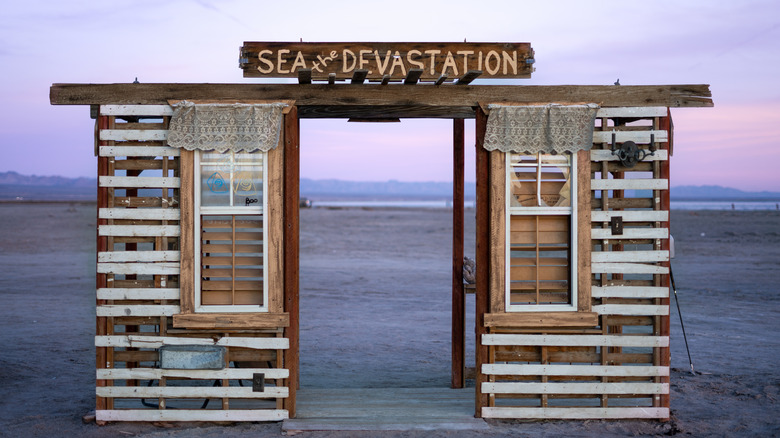
In the decades that followed its flooding, the Salton Sea developed a commercial fishing industry. Later, various saltwater gamefish were introduced and a thriving recreational fishery was established. This was accompanied by a surge in tourism and development, with swanky resorts and large marinas cropping up around the sea. However, as time went on, too little adequate freshwater made it into the basin. Coupled with evaporation, the sea's salinity level rose beyond that which the gamefish could tolerate. As the fish died off, so did the tourism and fishing industries. This resulted in a ghost town-like atmosphere, which still exists around much of the Salton Sea today.
So, just as there are many must-visit national parks on the West Coast, the Salton Sea should be a bucket-list destination for anyone who enjoys unique natural features and ecosystems, as well as historical oddities. Although its days as a bustling tourist hub are long-gone, there is still quite a bit in the way of natural beauty and outdoor recreation to be enjoyed, making a visit to California's largest lake well worth the trip.
Things to do while camping by the Salton Sea
While overnighting near the Salton Sea, you'll have no shortage of things to do. For example, you could catch one of the region's dramatic sunsets; before that, you can spend the day touring some of the nearby attractions, including the Bombay Beach Ruins, Bombay Beach Drive-In, or Salvation Mountain.
Of course, the sea itself offers plenty of things to do as well. Beachcombing is one option, as is hiking along the shore. Fishing is limited to tilapia. Those looking to get in the water may be tempted to go for a swim, but this is not advised due to the sea's high salinity, farm runoff, and algae blooms. Getting on the water with kayaks, canoes, and boats is allowed, although boaters should be aware of hazards on the sea, such as sandstorms, windstorms, and man-made obstructions.
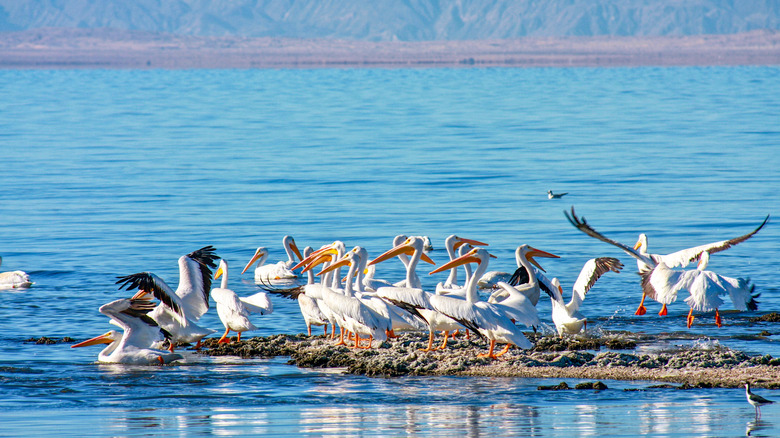
Hands-down, though, birding is the most popular activity. Those hoping to catch a glimpse of some of the 400-or-so documented species living around the Salton Basin will enjoy spending some time at both the Salton Sea SRA and the Sonny Bono Salton Sea National Wildlife Refuge, which is located on the opposite side of the water. Prior to 2021, the Sonny Bono NWR was thought to have the most diverse array of bird species of any wildlife refuge in the American West. Given the vast amount of species they're likely to encounter, birders might want to carry a field guide, such as "Sibley Birds West: Field Guide to the Birds of Western North America."