

The Proposed Bill That Could Ban Noisy Landscaping Gear In Philadelphia
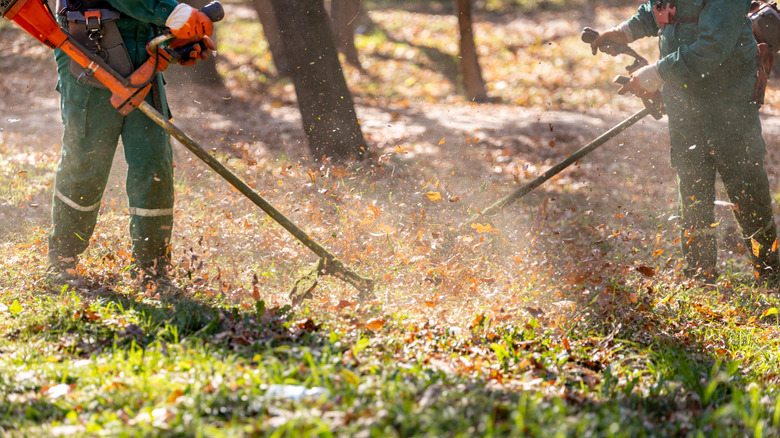
For many cities, landscaping is a major part of care and maintenance for the community as a whole and individuals with homes. Keeping grass well trimmed, removing leaves and debris from streets and yards, and other maintenance means that gas-powered tools are running throughout the city, leading to harmful emissions and an annoying noise residents regularly deal with. Per a new proposal, there might be a change to this daily scenario for residents of Philadelphia. The proposed bill from council member Curtis Jones Jr. — 241131 — is an amendment to Philly's existing Noise and Excessive Vibration code, and it focuses on banning gas powered leaf blowers. The bill was introduced in December 2024, and has been sitting in committee ever since, but it appears councilmembers may soon tackle the proposal again.
The city has a few reasons for considering such a specific ban: Not only are the sound levels high, causing disruptions for most people, but the gas itself is a problem. Every time someone uses a leaf blower, pollutants like carbon dioxide and fine particulates are released. One leaf blower releases the same amount of gas emissions as 15 cars per unit time. Over one year, all gas-powered lawn equipment in Philadelphia releases roughly the same amount of byproducts as 13,000 vehicles.
Of course, that doesn't mean leaf blowers have to disappear: With this bill, electric tools would still allowed. Not only are they cleaner, but also a little quieter. Where gas-powered ones tend to range anywhere from 75 to 80 decibels, an electric one is closer to 60, or about the sound you'll hear in an office. As more brands embrace battery-powered versions of their tools, switching becomes easier. For example, there are a few Ryobi Expand-It tools that can really help with yard clean-up.
The bill would move pretty quickly, if it passes
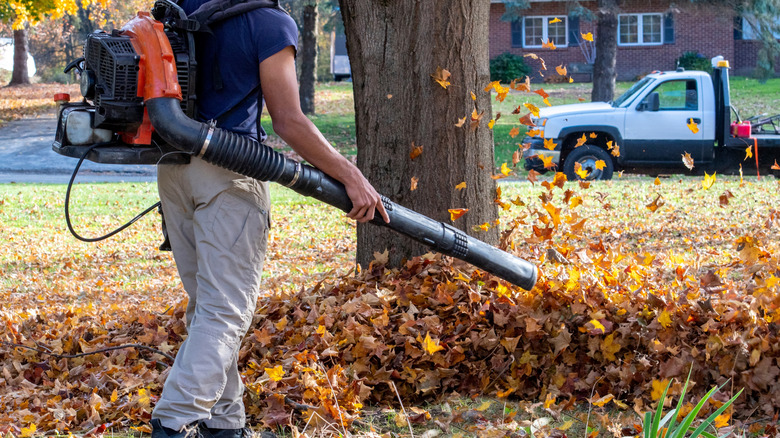
If proposed Bill 241131 passes, the prohibition is scheduled to go into effect on December 2, 2025. From then on, anyone who uses a gas-powered leaf blower will be given one warning before being charged $500 for every further violation. Philadelphia wouldn't be the first city to ban gas lawn-care tools: Alexandria, Virginia has also banned gas leaf-blowers, as have Arlington and Washington D.C. For some of these cities, the full ban won't go into effect until later in 2026. Seattle's ban won't go into effect until 2027. Baltimore, Maryland also put a ban on "gas-powered debris removal equipment", primarily focused on leaf blowers.
Even if you're living somewhere with a potential ban, it can be worth switching out your gas-powered leaf blower. When it comes to deciding if a gas or electric leaf blower is right for you, the differences in cost and performance are less than you might expect. For example, electric blowers cost more up-front and, depending on how you use one, you may also have to buy a few more batteries. However, because you are not constantly buying gas and oil, it can save you money in the long run. They have the same power minus the annoyingly loud 4-cycle engine and heavy pollution and the potentially negative health impact to a community.
Another option is to hire a team that uses electric tools to do the work for you. Thankfully, there are a few tricks to avoid being overcharged for lawn care services, so you can save a little money by staying open about the exact work you want done and doing some research on the market before calling.